Grow crab claw cactus this way and it will easily burst into full bloom, and flowering multiple times a year is no problem
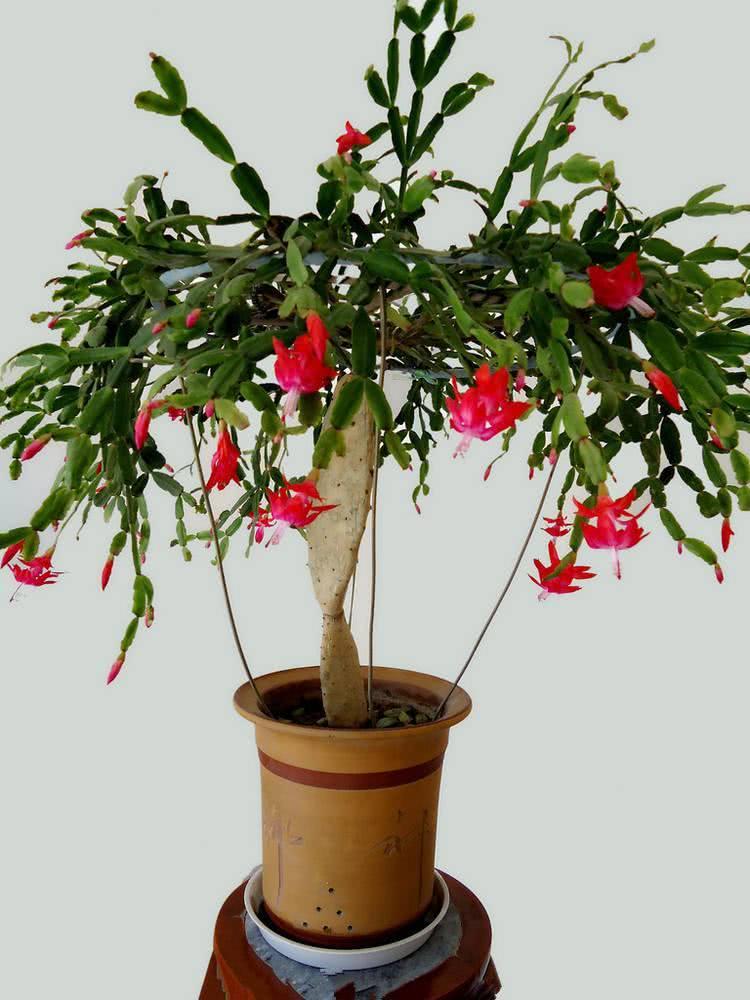
The crab claw cactus (Schlumbergera) gets its name because the joints between its stem segments look like the pincers of a crab, and since it blooms around Christmas it is also called the Christmas cactus. The crab claw cactus is a very easy plant to grow, and with a little care it can produce a great many flowers.
1. The crab claw cactus is a plant that can bloom repeatedly, so if nutrients are insufficient it easily fails to flower. When the weather starts to turn cool in late autumn, you need to fertilize the crab claw cactus, mainly with phosphorus and potassium fertilizer, of course.
2. The crab claw cactus is a short-day plant. If it gets more than 10 hours of light a day, it will struggle to form flower buds and will fail to bloom. Of course, if the light is too intense it can also easily fail to bloom.
3. If the potting soil stays damp for a long time, the stems and leaves can easily wilt and drop off, and the flower buds can wither and topple over.
The flowering period of the crab claw cactus is generally around January to March, so starting in October before the new year we need to put it in "solitary confinement". It can generally receive about four hours of light during the day, and at night it should not see any light at all. We can cover it with a cardboard box to ensure a completely dark environment.
The crab claw cactus does not need much water; watering too much easily causes root rot. To make the crab claw cactus bloom more and fill its pot, proper fertilizing is essential. You can apply a little extra monopotassium phosphate solution before the flowering period.
If the crab claw cactus sets too many buds, nutrients become dispersed, which easily causes flowers and buds to drop. We need to promptly remove the weak buds; generally, keeping just one bud per stem segment is enough. Proper bud thinning can prevent excessive nutrient consumption.
Remove spent flowers from the crab claw cactus promptly and apply phosphorus and potassium fertilizer appropriately; this can promote a second round of blooming, and flowering in multiple waves a year is no problem at all.