Master these 20 words for growing orchids, and flowers will cover the branches
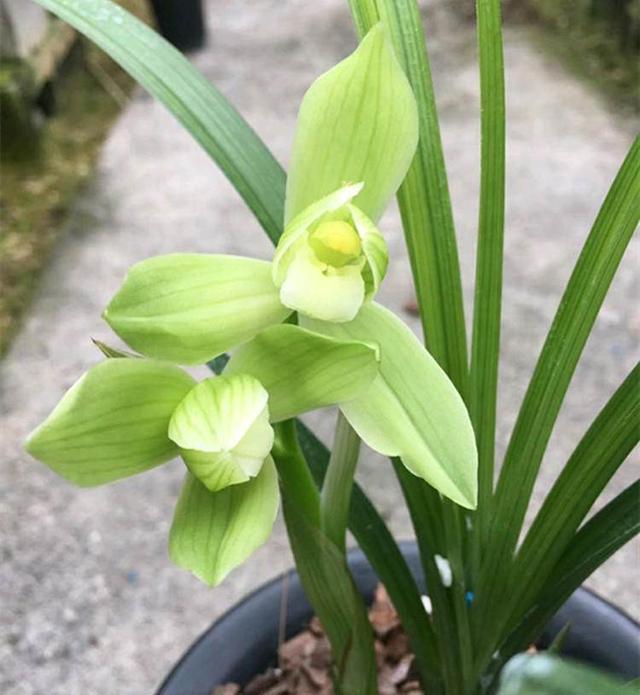
As a traditional flower of our country, orchids have always been deeply loved by flower enthusiasts. However, in summer and autumn, orchids are prone to problems, and some techniques need attention during care. So, for growing orchids in summer and autumn, if you want flowers to cover the branches, thoroughly understand these 20 words.
1. Shading and ventilation
From early summer to the end of September, orchids need shading, and the shade level must not be less than 70%. When shading, use shade nets for large quantities, and place small quantities on a north-facing balcony or under the eaves. During this period, the plants should be spaced out, and the distance between pots should be no less than 10 cm. It is best to prop the pots up with bricks to increase ventilation and allow air circulation.
2. Cooling and humidity increase
The suitable growing temperature for orchids is 20-28°C. Above 25°C they grow rapidly, and above 32°C they are forced into dormancy, with growth at a standstill. When the temperature reaches 30°C, cooling and humidity-increasing measures are needed. For those grown outdoors, river sand or plastic film can be spread on the ground; for those grown on balconies, place sponge under the pots and keep it moist regularly.
Spray the plants multiple times a day and sprinkle water on the ground. For indoor growing, an air conditioner or electric fan can be used to adjust the temperature below 30°C as much as possible while keeping the air humidity stable above 70%.
3. Watering and fertilizing
Most orchid growers use soil culture, and mostly in pots. The moisture in the potting soil should follow the principle of "moist but not wet, dry but not parched." Watering should be done when the surface soil is slightly white. Do not overwater, as it causes root rot. From midsummer to early autumn, generally water once thoroughly in the early morning, and in the evening water as appropriate depending on the dryness of the potting soil. If the potting soil is found to be dry after noon, replenish water at any time. After mid-autumn, although the climate gradually cools, the air is dry. According to the requirement of "not dry in autumn," keep the potting soil moist.
Fertilizing orchids should follow the principles of small amounts, dilute concentration, frequent application, and timely application, and this is even more necessary in summer and autumn. From May to September, fertilize as appropriate according to different orchid species and different growth stages. For orchid plants in dormancy or when the temperature is above 30°C, pause fertilizing. Apply liquid fertilizer generally once every 15-20 days, using organic nutrient solution specially for orchids, with a fertilizer-to-water ratio of 1:500. The concentration for foliar spraying is 1:1000.
4. Disease prevention and pest control
Orchids are plants prone to many diseases and pests, especially severe in hot and humid seasons, so prevention and control should be emphasized.