Two clever tricks for potted jasmine to make it bloom more often
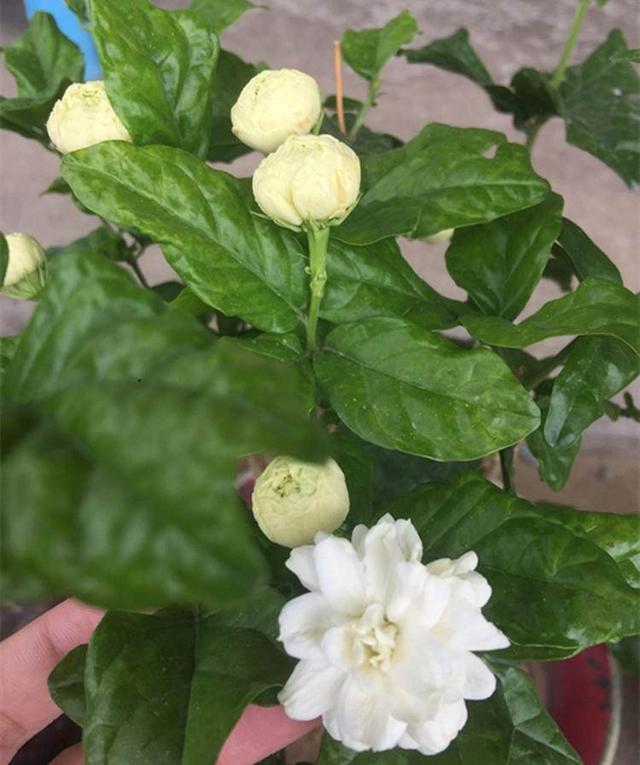
With potted jasmine, many flower lovers run into problems like sparse blooming, easy yellowing of leaves, and flowers that are not fragrant enough. These are all caused by not paying attention to technique during care. When growing jasmine, flower lovers need to learn to cleverly use these 2 "forces," so that jasmine will bloom more often.
1. Cleverly use the "force" of watering
Potted jasmine requires a growing medium rich in organic matter, with good water retention, water permeability and aeration. For flower lovers, the best time to pot jasmine is before the new shoots sprout, from April to May each year. After planting, water it in to settle the roots, then place it in a slightly shaded spot for 7-10 days to let it recover.
The key to daily management is also water. Based on jasmine's characteristics of liking moisture, tolerating no drought, fearing waterlogging and liking good aeration, you should master the timing and amount of watering. From June to July, jasmine whose root system has resumed normal growth needs watering once every 3-4 days. After that, it can be managed as a mature jasmine plant, and it will not be repotted again that year.
Potted jasmine should generally be repotted and have its soil changed once a year. After repotting, water it thoroughly just as when first potting, so the roots and soil bind closely and growth resumes. Before repotting, jasmine should be pruned once: cut last year's branches back to about 10 cm, and remove diseased and dead branches as well as overly dense and overly thin branches.
2. Cleverly use the "force" of fertilizing
Jasmine likes fertilizer, especially needing more during the flowering period. It also likes acidic soil, so normally you can water it once a week with alum fertilizer water at 1:10. After the first flowering, it is best to use organic liquid fertilizer for flowers as a top dressing, diluted 500 times with water and poured directly at the roots. During flowering, apply organic liquid fertilizer diluted 800 times as appropriate, which can make the jasmine flowers richly fragrant.
During the peak flowering period of jasmine, organic liquid fertilizer should be applied once every 4 days. You may use plenty of fertilizer and water; generally water in the morning and fertilize in the evening, which helps the jasmine roots absorb it. The fertilizer should not be too concentrated, otherwise it easily causes root rot.
To make potted jasmine full and attractive in shape, the faded flower branches should be cut off immediately after the flowers fade, to encourage new branches to sprout from the base and control plant height. Stop fertilizing in early September to increase the maturity of the branches, which helps it overwinter. Jasmine is sensitive to cold, so when the temperature drops to 6-7°C it should be moved indoors, and at the same time keep windows open for ventilation to avoid yellowing and dropping of leaves. When the weather turns warm, it should still be moved back outdoors.