Rescued a dying snake plant from the trash, gave it a trim, and turned one pot into many, filling the balcony
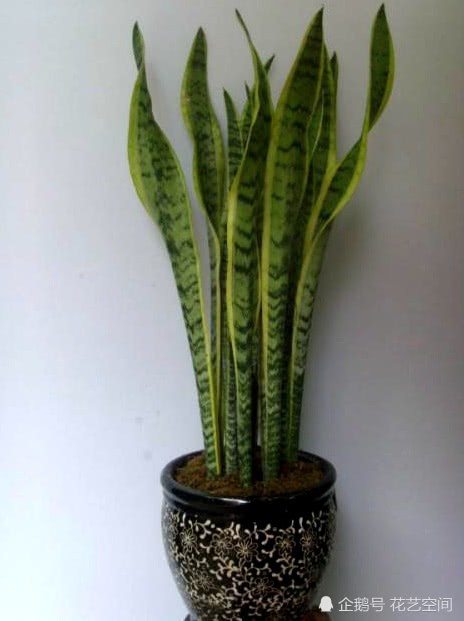
The snake plant (Sansevieria) is a houseplant that many people love. Its leaves are firm and emerald green, evergreen all year round, tall and upright, making it an ideal potted plant for decorating the home.
Last month my husband brought one home from the trash, a snake plant that was about to die, but a few of its leaves were still intact. After taking it home, we gave it a trim, and unexpectedly, one pot turned into many, filling the balcony!
This snake plant had probably come down with soft rot, and it had basically lost all its ornamental value. We cut off the intact leaves, because snake plants can absolutely be propagated by leaf cuttings, and they root very quickly with a very high survival rate.
After cutting off the intact leaves, cut them into 10 cm segments and first soak them in rooting solution. The soaking time should follow the instructions on the rooting solution; it should not be too long or too short!
After taking them out of the rooting solution, insert them into sandy soil. Do not insert them upside down; if the top and bottom directions are reversed, they will not root, the survival rate will drop, and you may have wasted all your effort!
Also, pay attention to the angle when cuttings are inserted; about a 45-degree slant works. After inserting, firm the soil and place them in a cool, ventilated spot. Snake plants are fairly drought-tolerant, so there is no need to water often. Once you find the soil has completely dried out, replenish the water. They will root in about 10 to 20 days.
After rooting, they can be moved to pots. For the soil, it is recommended to choose a loose, breathable, well-draining sandy soil. You can use peat soil plus perlite, or peat soil plus coarse sand; either is fine. In addition, it is recommended to add a small amount of organic base fertilizer to the soil, which can speed up the growth of the snake plant!
After they survive, it is recommended to place the snake plants in a spot with plenty of sunlight and good ventilation. Snake plants are most prone to soft rot and leaf spot disease. Placing them in a well-ventilated spot makes it harder for mold to grow, which will reduce the chance of soft rot!
How about that? Such a full sense of accomplishment! So if the snake plant at home is about to die, do not give up just yet; it might still be saved!