Common flower diseases and pests and how to treat them - do you know them all?
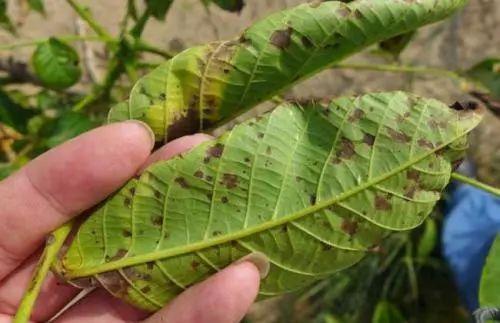
For most flower growers, pests and diseases are simply unavoidable, and they affect flowering and fruiting, and can even lead to the death of the plant. So what should you do about pests and diseases?
1. Brown spot disease
Brown spot disease usually starts as small spots on the flowers or fruit, but as the fruit slowly grows, the brown spots gradually merge into patches. It is harmful to tree peonies, Chinese peonies, chrysanthemums, and flowering almond (Prunus triloba), among others.
Treatment methods:Before or during periods of high temperature and high humidity, apply less or no nitrogen fertilizer, maintain a certain amount of phosphorus and potassium fertilizer, avoid furrow irrigation and flood irrigation, and especially avoid watering in the evening. Spray with chemicals when necessary.
2. Powdery mildew
Powdery mildew is the disease that most commonly infects household flowers. Many flower growers may not even realize their plants have it, mistaking it for a layer of dust on the plant, but it is actually a fungal infection and must never be ignored. It is most common on Chinese roses, pumpkins, and lilacs. This disease is usually caused by high humidity, especially during the plum rain season, and must be dealt with promptly.
Treatment methods:If powdery mildew infection is found, promptly mix one small teaspoon of dish soap with one liter of water, then wash the leaves. If it is more serious, cut off the diseased leaves and spray promptly with chlorothalonil or thiophanate-methyl solution.
3. Root rot
This disease comes from the soil. If the soil carries pathogens, it will cause plant disease. After infection, the plant shows withered leaves and slowed growth, and gradually the whole plant turns yellow until it dies.
Treatment methods:If root rot is found, promptly take the plant out of its pot, remove the old soil, cut off the rotten roots, remove the diseased leaves and branches, soak in potassium permanganate solution, then repot it and keep it in a ventilated, shaded place to recover.
4. Late blight
This is a disease common on tomatoes and potatoes, so those growing potatoes and tomatoes should pay attention. Generally, plants infected with late blight develop black spots on both leaves and fruit, and as the plant grows, the spots slowly expand as well.
Treatment methods:This disease is generally caused by cool, damp weather, so there is no need to worry, and do not rush to try every remedy. Simply place the plant in sunlight and in a well-ventilated place, and the late blight will improve.
5. Black spot disease
As the name suggests, black spot disease causes black spots to grow on the leaves of plants, and as it spreads, the plant turns withered and yellow. This disease is relatively common on Chinese roses.
Treatment methods:If Chinese roses are infected with black spot disease in summer, do not prune immediately, because Chinese roses are not suited to pruning in summer. Wait until summer is over, then immediately cut off the branches and leaves affected by the disease, to prevent it from spreading and triggering further problems.
6. Fusarium wilt
Fusarium wilt, that is, making the plant wilt. This is relatively common on various vegetables and fruits, and is most likely to occur on tomatoes, peppers, peas, and melons. When these symptoms appear, the leaves at the top and bottom of the plant wilt, and then gradually the whole plant wilts.
Treatment methods:When this disease occurs, be sure to isolate the plant from healthy plants, then dilute 41% polyalthia·pyrimethanil 600-800 times solution and spray evenly. When the disease is severe, the dosage can be appropriately increased.