Don't rush to repot when the soil is compacted - one method solves it easily
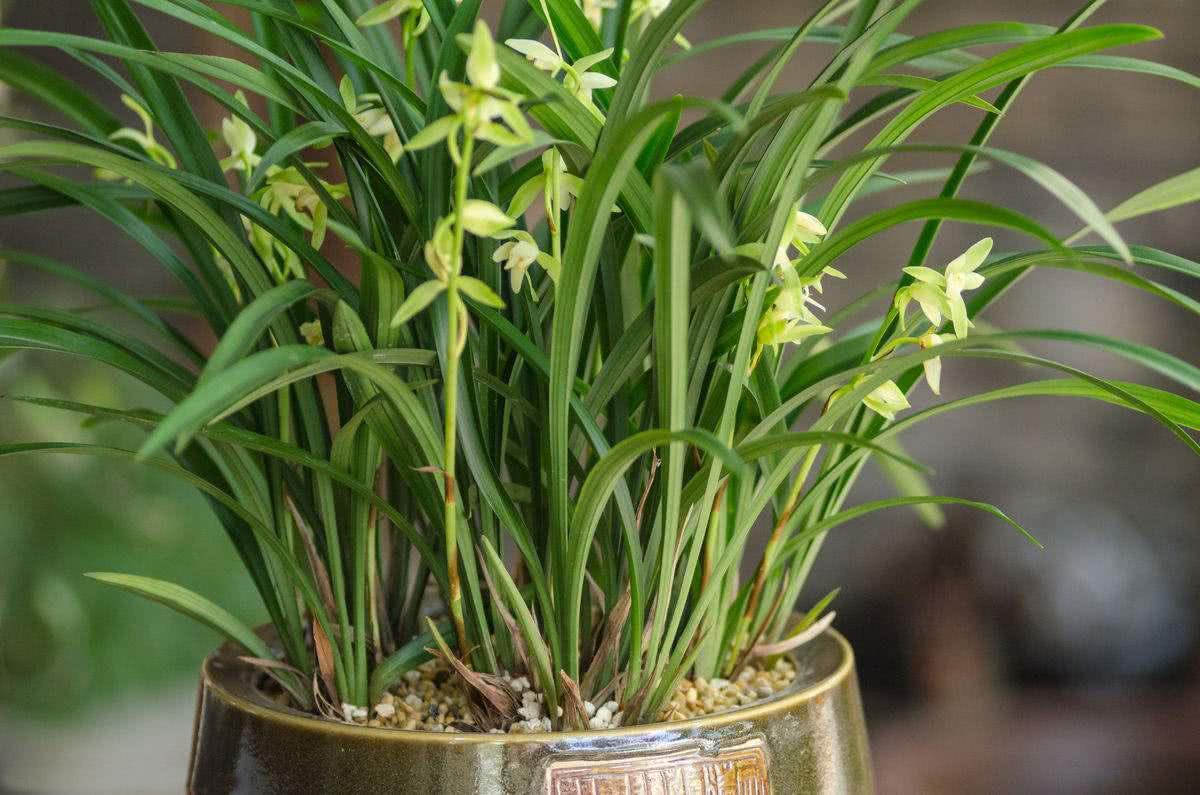
In the process of growing flowers, soil compaction always occurs. Once the soil is compacted, its air permeability becomes poor, and the plants lose all their vitality. But the weather recently has been fluctuating between cold and hot, which is especially unsuitable for repotting plants, so below we will introduce some tips that can improve the soil even without repotting.
The phenomenon of soil compaction
Some cracks appear on the soil surface, and watering never soaks through - this shows that the soil has already become compacted. After the soil is compacted, the roots have difficulty breathing, which prevents them from absorbing nutrients well, and this in turn causes yellowing leaves, root rot and other such problems.
What to do about soil compaction
Sprinkle some dry fertilizer
First prepare some soybean cake fertilizer, crush it into powder, then loosen the soil surface a little, then evenly sprinkle the prepared powder onto the soil surface, but avoid getting it on the roots; just spread a thin layer. Then water it thoroughly, so the fertilizer seeps into the soil. After the fertilizer ferments, the soil will become loose and nutritious.
The sand column method
First prepare a few thicker straws and some large-grained coarse sand. Then insert the straws into the soil, pushing them as close to the bottom of the soil as possible, then pour the sand into the straws, then pull the straws out. This forms sand columns in the soil. When you water, the sand will seep into the soil, thereby increasing the soil's air permeability and letting the roots breathe well.
How to prevent soil compaction
If you use tap water for watering, you need to let it sit for two days until the nitrogen volatilizes before using it. Then when fertilizing, it is best to use well-fermented organic fertilizer. Finally, you can spread earthworm soil on the surface of the potting soil; it not only adds nutrients to the soil but also prevents soil compaction.