Succulents Grown Outdoors Without Black Rot or Casualties: An 8-Year Veteran Shares Experience
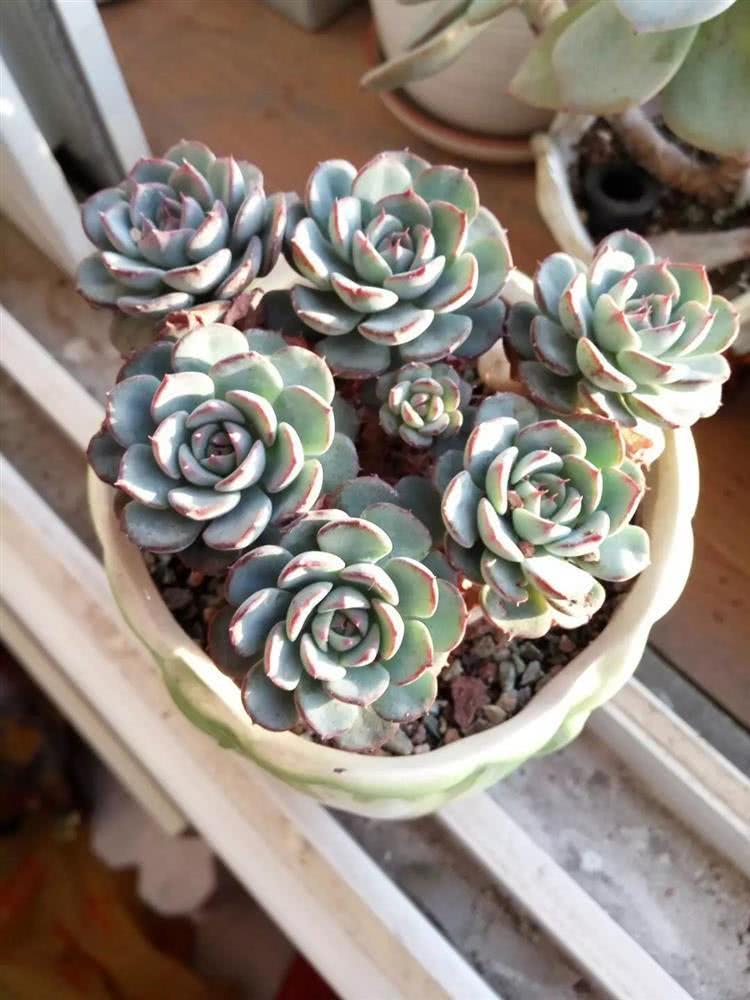
8 years of expert experience: zero casualties through summer is simple!
Once summer arrives, many succulent growers start to panic, afraid their succulents will suffer black rot and casualties. Wanting succulents to survive without casualties is simple. An expert with 8 years of growing succulents has summarized a lot of experience on getting succulents through summer. Let's see how the expert cares for succulents in summer!
1. Distinguish summer-growing types, winter-growing types, and spring-autumn-growing types
There are many varieties of succulents, and their growth habits differ greatly. When caring for succulents, we must first distinguish whether they are summer-growing types or other types. Not all succulents enter dormancy in summer. Summer-growing succulents are still growing in summer. If you care for them as if they were dormant, casualties will be severe.
After distinguishing them, we can place summer-growing succulents together, which makes management easier. Winter-growing and spring-autumn-growing succulents are in dormancy at this time, their growth stalls, and their stress resistance is somewhat weaker, so keeping them indoors is safer.
2. Shade and shelter from rain
Summer-growing succulents need plenty of light in summer. Without sufficient light, their leaves will spread flat, and in severe cases they will become leggy. But avoid the midday sun. Summer-growing types have relatively strong heat tolerance and can basically grow normally at temperatures below 38 degrees, but you need to be careful when it is above 38 degrees.
There is a lot of rain in summer. Succulents grown outdoors should not be left to get rained on. Although summer-growing succulents are growing at this time, the air is humid and moisture evaporates relatively slowly. After rain, too much water makes the roots prone to rot. As for succulents in dormancy, they must not be rained on even more. Check the weather forecast often and shelter them from rain in time.
3. Increase ventilation
The high-temperature, high-humidity environment of summer is the main cause of succulent casualties. To help succulents grow better, we need to lower the temperature and reduce humidity. The method is simple: increase ventilation. An outdoor growing environment has good ventilation; the main thing is to increase ventilation indoors. Open the windows often at night. If it is not convenient to open windows during the day, you can use a fan to get the indoor air circulating. The best method is to keep the windows open plus use a fan.
4. Control watering
Dormant succulents do not need much water, but you cannot cut off water entirely. If the soil stays dry for a long time, the roots will dry out, and when you water again, black rot is also likely. We need to learn to control watering for succulents. Water succulents about once every half a month, and at night just give a little water along the edge of the pot. The amount of water does not need to be much for succulents to grow safely.
As for summer-growing succulents, they need a lot of water at this time. We can water them often, but after watering, increase ventilation so the water evaporates as quickly as possible. Just after watering, do not expose them to the sun, to avoid the leaves becoming translucent and suffering black rot. Master these few points, and succulents will easily get through summer. When you care for them in summer, do you distinguish summer-growing succulents?