Analyzing the Relationship Between Atypical Pneumonia and SARS
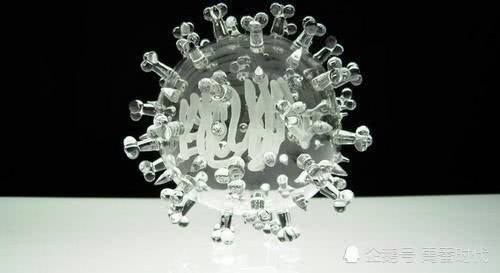
Typical cases can be said to be extremely rare, while atypical pneumonia is much more common. So then, what exactly was the 2003 SARS, or "atypical pneumonia"? And what is the relationship between atypical pneumonia and SARS? In fact, it was just a rare form of atypical pneumonia. This seems a bit contradictory. In the eyes of ordinary and broad masses of people, SARS should be classified as a typical infectious disease, but the professional and standard term is that SARS is severe acute respiratory syndrome.
SARS Virus
Calling SARS atypical pneumonia or an infectious disease is just a customary term in mainland China, which is why it is abbreviated as "atypical pneumonia." Other countries as well as Hong Kong, China and Taiwan, China each have their own different terms. Hong Kong often translates it as "Sha Shi," but also directly uses "SARS." Taiwan, China calls it "China pneumonia" while also directly using the English term, and Singapore once popularly used "Sa Si" and other names. Chinese-language media uniformly translate it as "Sha Si."
But from the perspective of the virus, SARS is an acute respiratory infectious disease caused by a coronavirus, transmitted through short-range droplet transmission and contact transmission. After onset, there are systemic symptoms such as fatigue, muscle soreness, fever, and headache, as well as localized symptoms such as chest tightness, dry cough, and difficulty breathing. In Hong Kong, China, visiting SARS patients is prohibited. Anyone who has had close contact with a SARS patient must go to a designated Department of Health clinic for a health examination within 10 days.
Mycoplasma pneumoniae
The viruses of atypical pneumonia are most commonly Mycoplasma pneumoniae, Chlamydophila pneumoniae, Chlamydophila psittaci, Legionella, and Rickettsia. The reason SARS and atypical pneumonia are grouped together is mainly because they are all viral infectious inflammations. Typical pneumonia, on the other hand, refers to infections such as pneumonia caused by bacteria. Among the viruses of atypical pneumonia, those caused by Chlamydophila pneumoniae and Mycoplasma pneumoniae are the most common, accounting for nearly one third.
If you have any questions or need help, please call 01062170649 13269852331