Why the rose, the queen of flowers, became the city flower of 52 cities
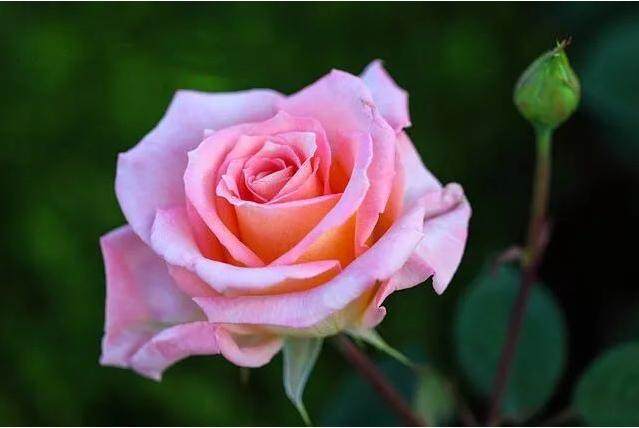
The rose generally blooms from April to November, and is also known as "monthly red" and "queen of flowers". Let me tell you this: the rose is the national flower of 5 countries, and in China alone, 52 cities have chosen the rose as their city flower. The reputation of "queen of flowers" is truly well deserved!
Let me secretly tell you a little secret: many of the fresh cut flowers sold in flower shops, many of the so-called "roses", are actually Chinese roses (Rosa chinensis)! True roses are extremely delicate and wither very easily; they simply cannot travel across the ocean to reach the flower shop and then reach the hands of all you male and female heartthrobs still looking radiant.
When caring for roses, fertilizer is very important. It is best to choose ecological and safe organic fertilizer, rich in nitrogen, phosphorus and potassium in a balanced way, with various organic matter, minerals and amino acids added, to promote the plant's rapid growth, produce more flower buds, bloom more, and have a longer flowering period.
There is also a romantic story about the rose. It is said that Chinese roses were introduced to Europe through India at the end of the 18th century, and at that time Britain and France were at war. The two sides actually reached a brief truce for the sake of the flowers. The roses were escorted by a British warship, crossed the English Channel, arrived in France, and were delivered into the hands of Napoleon's wife Josephine.
If you want the rose to have more and larger flowers, after the vigorous leaf growth period in spring, appropriate pruning can be carried out. Too many leaves absorb too much water and nutrients, and the flower buds tend to be small. Even the flower buds can be pruned as appropriate (you must be willing to be ruthless! Sacrifice small flowers to keep large flowers!). Smaller flower buds or those that have already shown poor conditions should be pruned in time, which can free up more nutrients for other flower buds.
When pruning, the scissors are best sterilized, or scalded with boiling water. When pruning branches and leaves, cut at an angle, and apply carbendazim to the cut after pruning for care. When watering, avoid the fresh cuts to prevent the cuts from infection and rot. The pruned branches can also be used for cuttings. Insert the branches diagonally into the soil, keep moisture sufficient, and place the flower pot in a cool place, avoiding direct sunlight, which can help new branches take root and sprout.
There is one more point: pay attention to the ratio between the plant and the flower pot. If the rose has grown much larger, a pot that is too small is not conducive to root growth. Even if the flower pot matches the size of the plant, you must also pay attention to changing the soil. If the soil has not been changed for too long, the nutrients in the soil can no longer sustain the needs of daily growth. Timely soil and pot changes can let the rose regain its vitality. The best time is before midsummer arrives, and it is best to choose spring, which is suitable for the growth of all things.