Fragrant plants that bloom from June to July: plant a few and the scent fills the balcony and the whole neighborhood
Stop worrying about what flowers to grow. June and July are hot, the home feels stuffy, and the moment you walk in you are greeted by the smell of sweat. Why not plant a few of these flowers? Grown well, the whole neighborhood smells wonderful.
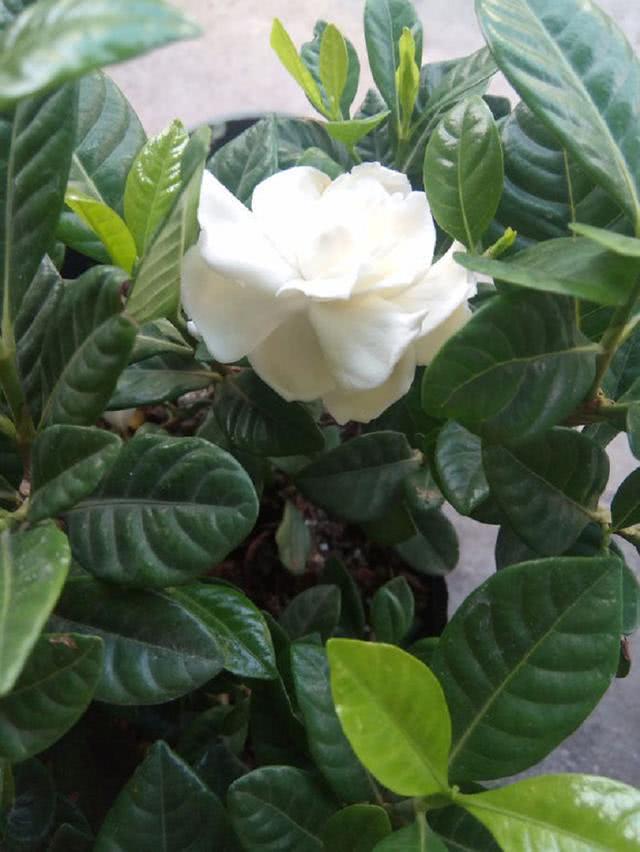
Gardenia
Gardenia belongs to the Rubiaceae family and is an evergreen shrub. Its branches and leaves are lush, the leaves stay green all year round, and the flowers are richly fragrant, making it an important ornamental plant for balconies and courtyards. Besides being ornamental, its flowers, fruit, roots and leaves can all be used as medicine.
It enjoys sunlight and tolerates shade; under shaded conditions the leaves stay a deep green, but flowering is somewhat poorer. It likes a warm, humid environment, tolerates heat and cold, and can overwinter safely at -3°C.
It grows best in fertile, well-drained acidic soil, and can also grow in poor, dry soil, though the plant tends to age quickly. It has a fairly strong resistance to sulfur dioxide, strong sprouting ability, and tolerates pruning.
Forget-me-not
Forget-me-not bears small light blue flowers, with a flowering period from April to May. It is highly adaptable and likes a dry, cool climate; it dislikes damp heat, likes light, tolerates drought, and its optimum growing temperature is 20°C-25°C.
White orchid
It likes ample light; a well-ventilated, humid and warm environment is best for the growth of the white orchid, and the soil should preferably be fertile, loose, well-drained and slightly acidic.
High temperatures and strong light can easily have a negative effect on the growth of the white orchid, and its cold tolerance is also poor; waterlogging and typhoons can harm it to varying degrees; in addition, it dislikes smoke and gases (sulfur dioxide, chlorine, etc.), and its overall resistance is not strong.
Milan
It likes a warm, humid environment and is fairly sensitive to low temperatures, being rather afraid of the cold. Its soil requirement is loose and fertile soil. As for sunlight, larger plants are relatively more light-loving, but they also tolerate shade fairly well, so this is not the main controlling factor.
Amaryllis
Amaryllis likes a warm, humid environment and soft light. As long as we are attentive and manage it a little, it can bloom three times a year.
Winter jasmine
It likes light, tolerates slight shade, is slightly cold-tolerant, and fears waterlogging. It can overwinter outdoors in North China and in Yanling. It requires a warm, humid climate and loose, fertile, well-drained sandy soil; it grows vigorously in acidic soil and poorly in alkaline soil. Its roots have strong sprouting ability. Where the branches touch the ground, they root very easily.
Crape myrtle
Crape myrtle likes a warm, humid environment, likes light, tolerates slight shade, and likes fertilizer. Crape myrtle especially prefers deep, fertile sandy loam, thrives in slightly damp places, and also tolerates drought but dislikes waterlogging. Crape myrtle should not be planted in low, damp places with a high water table. Crape myrtle also has a fairly strong resistance to pollution, with strong resistance to sulfur dioxide, hydrogen fluoride and chlorine, and has an excellent ability to purify the air.
Rose of Sharon
Rose of Sharon is highly adaptable to the environment, is fairly tolerant of dryness and poor soil, and has no strict soil requirements; it especially likes light and a warm, moist climate. It tolerates slight shade, likes a warm, humid climate, tolerates pruning, and tolerates both heat and cold, but in northern regions it needs protection to overwinter. It likes moisture but also tolerates drought, has no strict soil requirements, and can even grow in heavy clay. Its sprouting ability is strong.
Begonia
Its optimum growing temperature is 19-24°C, and in winter the temperature should not fall below 10°C, otherwise the leaves are easily damaged by cold, though the rhizome is fairly cold-tolerant. In a warm environment it grows quickly, with lush stems and leaves and bright flower colors. Begonia is sensitive to light. It is generally suited to growing in morning light and diffused light, and strong light can easily scorch the leaves. It also responds very noticeably to the photoperiod. Under short-day conditions and a nighttime temperature of 21°C, its flowering period is noticeably delayed.
Night-blooming jasmine
Night-blooming jasmine mostly grows in woodland or thickets. It likes a warm, humid, sunny, well-ventilated environment with loose, fertile soil; it tolerates drought and poor soil, dislikes waterlogging, and is not cold-tolerant. After the leaves fall in winter it stops growing; after the weather warms in spring it sprouts branches and leaves, with an axillary bud or flower bud at each node, and as it grows it continually produces side branches and puts out inflorescences. It generally blooms successively from May to October, and when in bloom it is fragrant, with a stronger scent at night, and it bears fruit in winter.