Keep a potted plant at home, stick a small branch in a pot, and in two months it grows to over 3 m, pretty and edible
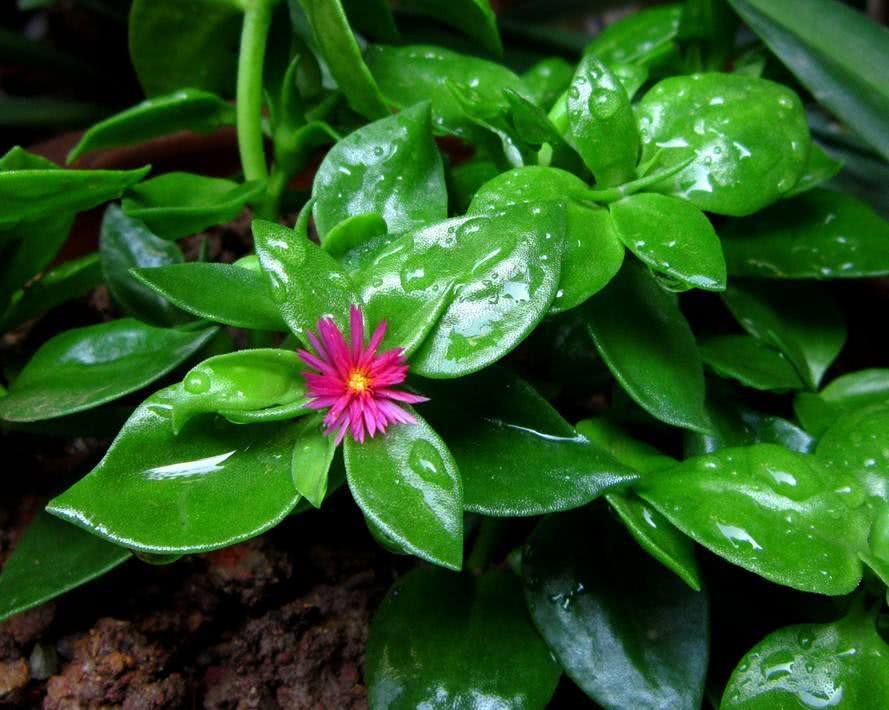
Aptenia cordifolia, a flower you can eat.
The plant grows fast, lush green and juicy, and blooms modestly, with one small flower after another quietly opening from the tips of the branches and buds, plain and unadorned, ordinary yet beautiful.
It can be propagated by cuttings: snap off a section of branch and bury it in soil, put it in a cool, ventilated place, keep the soil moist, and before long you have another beautiful pot of Aptenia cordifolia.
When growing it normally, pay attention to the following points:
1. Damaged roots
Condition: A healthy Aptenia cordifolia has glossy leaves, lush green and plump, and grows fast, so you can see signs of its growth every day. If the leaves are limp and the whole plant looks listless, the roots may be damaged and rotting.
Solution: Take it out of the soil and check whether any part of the roots is rotting. If so, trim it, cut off the blackened, rotting parts, soak it for a while in a carbendazim solution, and then replant it. It is best to also water the potting soil with a carbendazim solution to sterilise and disinfect it.
2. Wet soil
Aptenia cordifolia likes a dry, ventilated environment and is not demanding about soil. But one thing: the potting soil must be loose and airy, and must not stay wet and waterlogged for long! If the potting soil is not airy, the roots cannot spread freely, and over time rot is likely to occur, the leaves will wilt and become limp and unable to spread out.
Solution: When watering, be sure not to overwater. Just water when dry and let it dry out between waterings, or wait until the potting soil is completely dry and the leaves are a little wilted, then water thoroughly, and put it in a ventilated place so the excess water evaporates. Also note that the saucer must not hold water for long either! It will affect the roots just the same!
3. Light
Aptenia cordifolia likes light. With sufficient light, its leaves will not grow leggy, it will bloom more, and the leaf colour will be crisp and green. So light is essential. However, in summer, be careful about shading! The summer sun is too strong, and long periods of direct sunlight will make the leaves wilt and not spread out.
In summer, pay attention to light intensity and shade it appropriately; it is best to put it indoors in a place with diffused light, and make sure there is ventilation.
4. Fertilising
Aptenia cordifolia is not demanding about fertiliser. During the growing season, apply a thin cake fertiliser water once a month; if the plant is very large, you can appropriately add a little more fertiliser.
Be sure to watch the amount; it must not be too concentrated, as it easily burns the roots.
As long as you pay attention to these things, there is no problem growing Aptenia cordifolia, and if problems arise you can solve them yourself. If grown well, Aptenia cordifolia can grow half a metre in a month, and growing two or three metres in a summer is no problem. You can eat it as it grows and make delicious vegetables from it, what a great thing!