How to grow Podocarpus nagi? Detailed guide to cultivation methods and precautions
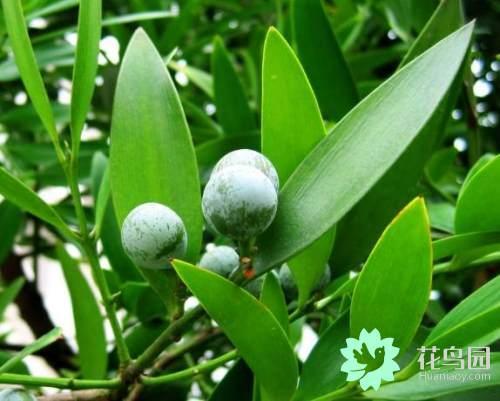
Podocarpus nagi, also known as Luohan chai or bamboo-leaf podocarp, has strong air-purifying ability and a strong mosquito-repelling effect. It is an excellent material for carving, furniture-making and plywood, and has high ornamental, ecological, medicinal and economic value. It is deeply loved by people. Therefore, many people like to grow it at home. So how exactly should it be grown for the best results? Follow along with the editor to learn.
I. Cultivation methods
1. Temperature: Podocarpus nagi is actually quite sensitive to temperature. The most suitable growing temperature is 18 to 26°C. Its cold tolerance is relatively weak, and it can withstand a minimum low temperature of -7°C.
2. Light: Podocarpus nagi is a fairly shade-tolerant tree species. It grows faster in shaded places, and it is not particularly adapted to strong sunlight. Prolonged exposure to the sun can easily cause sunscald and death. Therefore, for daily cultivation it is best to keep it shaded.
3. Watering: Podocarpus nagi likes moisture, and daily cultivation requires maintaining a sufficient water supply. For Podocarpus nagi in nature, the average annual rainfall it needs is around 1200 to 1800 mm, so it is enough to keep the soil moist daily without waterlogging.
4. Soil: Podocarpus nagi has relatively strict soil requirements and prefers deep, fertile, loose, acidic sandy loam.
II. Precautions
1. Potted Podocarpus nagi generally does not need fertilizing, but to ensure its leaves are dark green, during the peak growing season it only needs 2-3 applications of alum fertilizer water.
2. In winter, Podocarpus nagi enters a dormant or semi-dormant state. At this time, weak branches, diseased and pest-infested branches, overly dense branches, dead branches, etc. can be pruned away. This not only maintains an attractive plant shape but also prevents the occurrence of pests and diseases.
3. Each spring, Podocarpus nagi can be repotted once. For the potting soil, it is suitable to use a mix made of leaf mold or peat soil, garden soil and sand in a 3:2:1 ratio. In winter, place Podocarpus nagi in a bright indoor spot, control watering at the same time, and keep the temperature no lower than 0°C for it to overwinter safely.