How to treat wounds during the growth of cherry blossoms
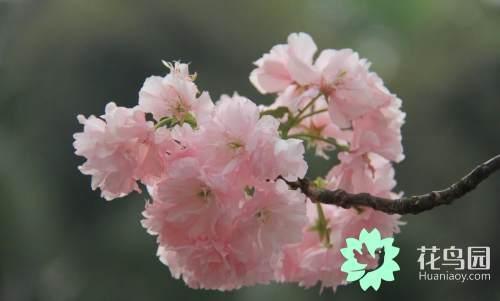
There are quite a lot of cherry blossom varieties, with the number exceeding 300. There are about 150 species of wild cherry blossoms worldwide, and China has more than 50 species. Among the ancestors of about 40 species of wild cherry blossom plants worldwide, 33 species originated in China. The others are varieties derived through horticultural hybridization.
Each branch has 3 to 5 flowers, forming umbel-like inflorescences. The petal tips are notched, and the flower colors are mostly white and pink. The flowers often bloom together with the leaves in March or bloom after the leaves. With seasonal changes, cherry blossoms are fragrant and gorgeous in color and are often used for garden viewing. Cherry blossoms can be divided into two types: single-petaled and double-petaled. Single-petaled types can bloom and bear fruit, while double-petaled types mostly do not bear fruit.
During the growth process of cherry blossoms, after long-term exposure to the sun, the bark is prone to aging and damage, causing rot, forming hollows, and affecting the growth and lifespan of the cherry blossoms.
Therefore, once a wound is found on a cherry blossom, treatment measures must be taken immediately. Generally, first use a sharp knife to pare and scrape the wound clean, then disinfect it with a disinfectant such as a 5-degree lime sulfur mixture or ink, and finally apply a protective agent such as tung oil to prevent the wound from rotting and promote its healing. If the cherry blossom wound has already become a hollow, it should be repaired.
The method is: first dig out the rotted wood inside the hole, then scrape clean the dead tissue at the edge of the hole, then disinfect with a chemical agent, use leaf mold and charcoal powder to wrap the rotted area, and promote the restoration of its normal physiological functions. Observe carefully and keep the wrapping of leaf mold and charcoal powder moist. If it is dry, irrigate water to maintain a certain humidity. After such treatment, adventitious roots will slowly grow from the hollow of the cherry blossom. Combined with annual soil improvement, the adventitious roots will continue to grow, and finally extend into the soil and gradually thicken. The adventitious roots will change into a trunk, becoming a healthier main trunk, sprouting and producing flowers.