A rural wild vegetable called "Leizhenzi" in the countryside, it grows like crazy whenever there is thunder and lightning, and it makes the best pickled sour vegetables
Friendly reminder
Hemu Report aims to share and popularize information about various plants and their uses, for reference only. If medicinal use is needed, it is recommended to consult a professional physician to avoid problems!
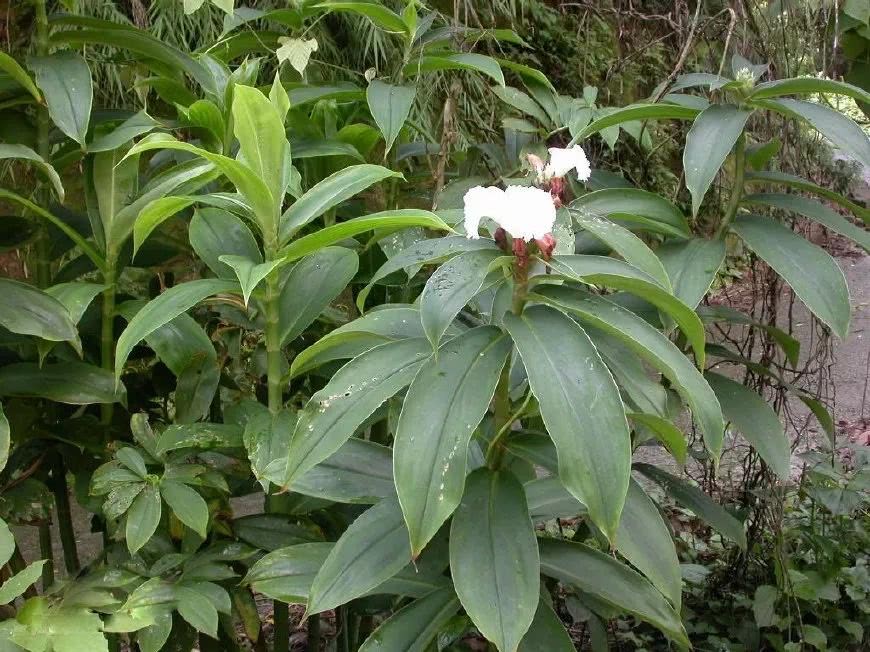
Spring and summer are the seasons when all things grow, and also the seasons when wild vegetables are most abundant. As spring fades away, many wild vegetables have already disappeared from the market, and if you want to eat them you have to wait another year. However, in Hainan, China, there is a wild vegetable unique to the local countryside that can be eaten from February all the way to October; except in winter, it can be harvested in all other seasons. This wild vegetable likes to grow in damp, shady places, and whenever there is weather with thunder and heavy rain, it grows like crazy, so the people of Hainan call it "Leigong Sun" (Thunder God's Bamboo Shoot) or "Leizhenzi."
Leigong Sun is actually not a bamboo shoot, because its edible part is the tender stem, and the tender stem looks like a bamboo shoot, which is why it is called Leigong Sun. Its scientific name is Costus speciosus (crepe ginger). The stems and shoots are harvested when they grow to the thickness of a thumb and the length of a chopstick; if they grow any bigger they become old and have no edible value. Costus speciosus is a very common plant in Hainan, especially widely distributed in the mountainous areas of southern Hainan, everywhere along streams, in field ditches, and at the foot of mountains. It is a commonly eaten wild vegetable locally, and in some restaurants there are also dishes made with Leigong Sun.
Leigong Sun cannot be eaten raw; eating it raw has consequences similar to green beans, because it is slightly toxic. However, once cooked there is no problem. Local farmers generally make it into pickled sour vegetables, and the method is very simple. Use rice water (the water from boiling rice) after it has cooled, add an appropriate amount of salt, put in the Leigong Sun, and after soaking for about a week you can smell a mouth-watering sourness. At this point the Leigong Sun is light yellow in color and can be eaten directly or used as a side dish; cooking it in fish soup or stewing it with meat are both very delicious.
Leigong Sun is rich in beneficial substances, such as saponins and total flavonoids, and has a certain dietary therapeutic effect on cardiovascular and cerebrovascular diseases, diabetes, and other conditions. Its flesh is crisp and tender, with a delicate fragrance all around, making it a natural pollution-free food. Eating Leigong Sun has the effects of clearing heat and detoxifying, stimulating the appetite, improving eyesight, promoting urination, and treating constipation. It is both a medicine and a food, with very high value.
Dear readers, have you ever eaten this "Leizhenzi" wild vegetable unique to the rural South?
Text/Hemu Report, Images/Internet
If you like Hemu's articles, you are welcome to follow