What to do when potting soil becomes compacted? One plastic straw makes the soil loose and breathable
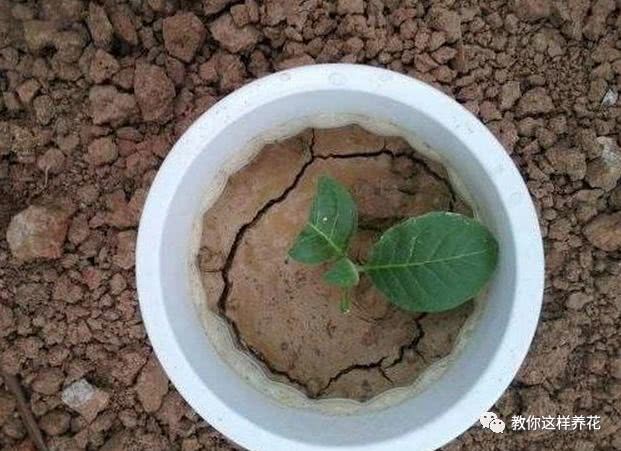
The condition of the potting soil directly affects how flowers grow. For many gardening enthusiasts, problems like yellowing leaves and dry, withered leaf tips are largely caused by water being unable to drain away in time after watering, leading to waterlogging, which then causes problems with the roots and shows up on the leaves. Now that the weather is getting hot, what if you don't want to repot? One little plastic straw can solve it! Let's take a look!
“
Potting soil compaction
- Potting soil compaction -
The most common type of soil compaction is when the potting soil forms clumps, the surface hardens, and it can no longer drain. As soon as water is poured on, it cannot seep down. The main cause of potting soil compaction is the soil's own low organic matter content and heavy clay content. After compaction, the roots easily become suffocated and lack air, which then leads to root rot.
Besides soil compaction caused by the soil's own low organic matter content, long-term use of chemical fertilizers alone also easily causes compaction. The advantage of using organic fertilizer is that it can replenish soil organic matter and make the soil looser and more breathable. Many gardening enthusiasts have not paid attention to this point either.
In addition, when fertilizing, be careful not to use raw fertilizer. Substances like soy milk and milk must be fermented before use, otherwise long-term use will also cause compaction problems. When watering, also be careful to use soft water, that is, surface water such as river water and rainwater. If it is underground well water, the mineral content is high, and long-term use will easily cause potting soil compaction. In areas where the water quality is severely saline-alkaline, pay attention to improving the water quality as well, otherwise the potting soil will easily become saline-alkaline along with it.
- What to do when potting soil compaction occurs? -
Repot with new soil
The best way to deal with compaction is to repot with new soil. Replace it with potting soil rich in organic matter that is loose and breathable, and it will quickly send out new branches and sprout new buds.
Gardening enthusiasts say: the weather here is too hot right now, or I don't want to repot. Is there any other way?
Clever use of straws
Use chopsticks to poke a few holes in the flower pot, find a few thicker straws, insert the straws into the soil, pour coarse sand into the straws, then pull the straws out. This can increase the breathability of the flower pot, and water can seep into the potting soil through the sand.
Some gardening enthusiasts also cut small holes in the straws and insert them into the potting soil, which can increase the breathability of the potting soil.
Inserting a straw into rose soil
Inserting a straw into orchid soil
You can also put a few granules of slow-release fertilizer into the straw every half month or every month to effectively supplement nutrients. This is widely used in fertilizing some hydroponic plants.
Turning and loosening the soil
You can also use a small fork or rake to loosen the surface soil by about 2.5 cm, prepare some bean cake or peanut cake powder, mix it into leaf mold and peat soil, then sprinkle it onto the loosened potting soil, just a thin layer. Use it once every 2 months, and the amount of cake fertilizer used each time must not be too much, to prevent burning the seedlings and roots.
A tiny straw
So it can be used this way too
If your potting soil has become compacted
You should give it a try too!
Show it to gardening enthusiasts who need it!