Put a cover on your roses before the rain, and not only will the buds stay on, but the blooming period will be extended by half a month
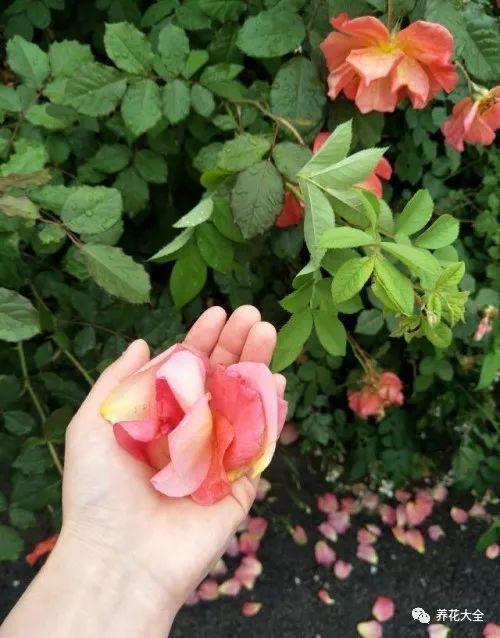
Right now the roses are blooming beautifully, but who knew that after the recent rains, the flowers have all fallen apart. I haven't enjoyed them enough yet, and I don't know when they'll bloom next time... Don't be disappointed, Huahua is about to give you some tips, hurry up and start preparing for the next blooming season!
Rose blooming period
Grow Flowers Encyclopedia
One of the reasons we love roses is that they can bloom in multiple seasons, some even every month, but some can only bloom once a year, and this cannot be changed
Strong rebloomers:
Most roses can bloom in multiple seasons. Among the more free-flowering varieties are: Red Leonardo da Vinci, the Austin series, Angel Face, Red Lotus, Sunflower, Monet, Blue Eden, and more
Difficult rebloomers:
Rose varieties that bloom few times and for short periods include: Cinderella, The Generous Gardener, Nahema, Pink Dragon, Golden Celebration, and more
Besides variety differences, many flower lovers find that even if they choose roses with strong reblooming ability, they still only bloom once. If you want to see flowers every month, hurry up and learn a few tricks
Cover the buds to extend the blooming period
Grow Flowers Encyclopedia
Many flower lovers' roses bloom right during rainy weather. The rain scatters the buds, and what should be a 15-day blooming period becomes just three to five days, and the flower shape isn't even nice!
Just put a small cover over the flowers before rainy days, and they won't be afraid no matter how the wind blows and rain falls
After the weather clears, remove the cover, and the bun-shaped little flowers are completely unharmed, and can continue blooming for a dozen more days with no problem! Even if it's not rainy weather, you can use this method too
Prune to preserve nutrients
Grow Flowers Encyclopedia
1. Cut flowers
Roses have already consumed a lot of nutrients by blooming, and the blooming period generally lasts over a week. We can cut the roses to put in a vase for enjoyment, this way the plant's nutrients remain, ensuring the next rebloom~
2. Prune branches
Thin branches and weak branches must be cut
Roses grow fast, and sometimes the fertilizer you apply just makes them grow into insignificant thin branches. Cut off any that look unpleasant, and don't leave the cut branches in the flower pot, to avoid breeding bacteria
Cut off blind branches and blind buds
Generally, rose buds are at the top of the branches, and blind branches are branches whose tops will no longer produce buds. Keeping them is useless and they take up nutrients, so they must be cut off quickly
Because of nutrient deficiency, many useless blind buds grow and must also be pinched off
Cut off side branches and side buds
Near the base of the rose, inward-facing buds and branches can all be cut off, to avoid excessive density, as poor ventilation will breed red spider mites and black spot disease
The main stem is rich in nutrients and will produce many small buds. Buds with good growth and direction can be kept, while outward-growing side buds and side branches can be cut off
3. Thin out buds
Some flowers start off aggressively, producing buds like crazy, but then run out of steam as they bloom, and reblooming afterward is even harder. So when buds are forming, you need to thin them out
Fertilize to supplement nutrients
Grow Flowers Encyclopedia
Roses love fertilizer. Once they lack fertilizer, they turn sallow and skinny and won't bloom, and they also produce a bunch of blind buds and blind branches. If they keep growing they'll turn into weeds... May to October is the fertilizing period, so hurry up and fertilize
1. Chicken manure, cow and sheep manure
Roses love chicken manure fertilizer the most, and cow and sheep manure works too. These are all very good organic fertilizers. Except for large older roses grown outdoors, Huahua suggests you compost them thoroughly before use
If you find composting troublesome, you can dry the fertilizer in the sun, once a month, 3-5 grams each time (depending on plant size), mix it into the potting soil, and don't put it near the roots to avoid burning them
2. Grain and miscellaneous fertilizer
The various bean dregs left in the juicer and the residue left after pressing oil can all be composted. Mix them into the soil and seal for about 20 days and they're ready, with no peculiar smell
The composted grain fertilizer can be mixed into the rose soil two or three times a month, with the amount determined by the size of your roses, ranging from 5-10 grams, applying thin fertilizer frequently
3. Milk and soy milk fertilizer
Milk, soy milk, or soybean milk that has been expired for over 1 month at home can all be used to water roses. It's best to dilute with some clean water, otherwise it's too thick and hard to absorb
Besides watering, you can also wipe the leaves with it, which can kill red spider mites and aphids
4. Waste oil from the range hood
Take out a spoonful of the waste oil from your home's range hood and bury it in the rose pot, and it can serve as a meat-based fertilizer
When burying it, be careful to keep it away from the rose's roots. The oil is quite thick, and if it sticks it affects breathing, so don't do the opposite of what you intend
How many times have your roses bloomed?
If you want them to bloom a few more times
Then take action