After tea has been left to sit for a day, using it to water flowers can effectively promote plant growth.
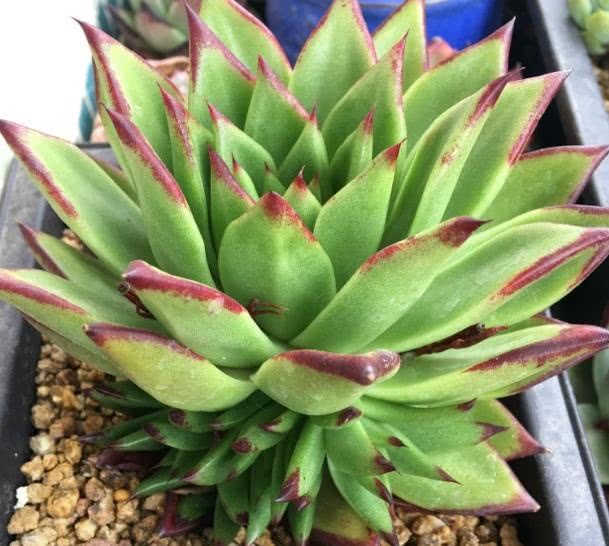
Leftover tea water, to put it plainly, is equivalent to water that has soaked fallen leaves in the wild. The organic matter and sugars (starch) contained in tea water are extremely low, so using it to water flowers is only microscopically slightly superior to plain water in terms of nutrients; but it is still better not to use it on flowers that are more particular about a clean appearance, because tea stains will dirty white flower pots, drip trays and clean countertops; therefore, using leftover tea water on potted plants that are more particular about cleanliness does more harm than good, and it is better to just water them with plain water that has been left to stand for 24 hours.
When some people finish brewing tea, they feel it is a waste to throw away the leftover tea leaves, and it just so happens that they have recently learned from someone else about using tea water to water flowers. First, the tea should be brewed, then poured into a sealed container to ferment. Basically, it is successfully fermented in one month. Then filter out the tea leaves and use the liquid to water flowers and plants, which can effectively promote plant growth.
Using fermented leftover tea water to water flowers can both maintain moisture and slowly release nitrogen fertilizer, improving the granular structure of the potting soil. Water without tea leaves is the most vigorous for watering flowers, followed by fermented tea water, and lastly water with tea leaves in it. If the tea water is left overnight, it has already fermented slightly, and after fermentation the water quality becomes weakly acidic. Weakly acidic water is very beneficial to the growth of flowers, and is extremely suitable for azaleas, roses and jasmine.
Those who hold the opposing view believe that directly watering flowers with leftover tea is not good. Flowers are plants, and the fertilizer used should be fully decomposed. It is best to water with plain water, and tap water should be placed in an open container in the sun for one or two days. Water changed from home aquarium ornamental fish is also very good for watering flowers. Tea contains many alkaloids, and they all affect the plant's absorption of organic nutrients in the soil. Rice-washing water and water from washing fish and meat do contain nutrients, but if used to water flowers, they must be decomposed and fermented before plants can absorb them, otherwise they will damage the plant's root system.
Sometimes the tea leaves in leftover tea can also be poured into the flower pot together, but it is best not to pour them in frequently. Every so often, take the opportunity when turning the soil to bury the dried tea leaves into the soil, which can improve the soil quality and increase the soil's looseness and water permeability. If there are too many tea leaves in the leftover tea, they can also be dried in the sun, and when a certain amount has been accumulated, mix in some soil and ferment it; it is also very good material for improving soil quality.
To sum up, for watering flowers with tea water, after full fermentation and decomposition it is a very good flower fertilizer, and it can also be understood as overnight tea. Tea water is alkaline, so it can be used to water flowers that like alkaline or neutral conditions. The tea leaves in unfermented leftover tea water easily breed flying insects, so insecticides need to be sprayed on the flowers and plants at the appropriate time to avoid being troubled by flying insects.
This is a gathering place for succulent plant enthusiasts, sharing succulent care tips. Welcome to follow and exchange ideas.