Why are hydrangea leaves turning yellow? Grow them this way for more blooms
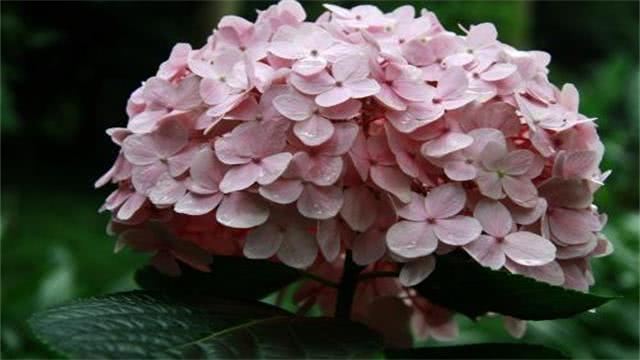
The hydrangea is a very lovely flower; its many petals packed tightly together look exactly like the embroidered ball tossed to choose a suitor in ancient times. But some friends recently told me that their hydrangeas have bloomed, yet they found small yellow spots on the leaves, and some leaves were even nearly half yellow. For this situation, we need to analyze the causes properly to effectively control the problem of hydrangea leaves turning yellow.
1. Is the light suitable
Hydrangeas like cool, moist places and cannot be kept in direct sunlight for long periods. Although hydrangea petals are fairly small, the leaves are quite large, and sunlight speeds up evaporation from the leaves, easily causing them to turn yellow. So when caring for hydrangeas we must be careful, especially at midday in summer; we must never leave hydrangeas exposed to the blazing sun, and should find them a cool spot.
2. Is watering reasonable
Many friends have this problem, and it drowns the hydrangea outright. Everyone who grows hydrangeas knows they like a moist environment, but you cannot overwater either, especially when the weather is hot, since rising water temperature will surely be too much for the roots, making the plant impossible to grow. After watering, we should put the hydrangea in a cool, ventilated place, which helps drainage and prevents water from collecting at the roots.
3. Proper fertilizing
When fertilizing, be careful not to use a concentrated fertilizer, because it will burn the roots and yellow leaves are very likely to appear. If the fertilizer happens to be too concentrated, we need to water it so the nutrients flow out from the bottom of the pot with the water, or wash the soil, though this method is more troublesome since you have to rinse the soil around the roots with water. So when fertilizing, it is best to dilute it with water first before applying, and also pay attention to the amount each time; you can apply it several times, but use a smaller amount each time.
4. Choosing the potting soil
Why is this point mentioned last? Because a newly bought hydrangea will certainly not be repotted right away; this is preparation for the future. When choosing soil, we should use acidic soil, and we can also sprinkle some organic matter at the bottom of the pot, which will become organic fertilizer and is very good for re-rooting.
The hydrangea blooms beautifully, but we need to master the correct care methods. Have all you friends understood?