Keep these 3 points in mind when caring for snake plants, and the leaves will be thick, the patterns deep, and the growth vigorous
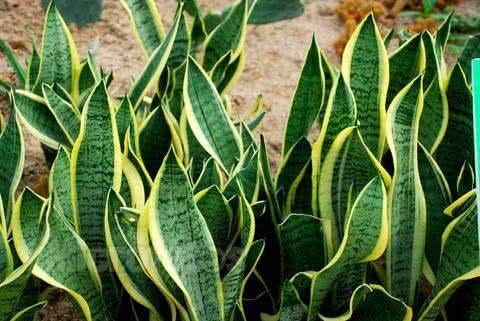
The snake plant (Sansevieria) is a common household foliage plant. Its rhizome grows in a creeping manner, it has no stem, and its leaves grow in clusters and stand upright. They are thick and leathery, with irregular markings like a tiger's tail, very beautiful.
Poor care can easily cause the leaves to become thin and the markings to fade. Today, Hua'er will introduce 3 little tips for caring for snake plants. Keep these 3 points in mind to make its leaves thick, its patterns deep, and its growth shoot up vigorously.
1. Fertilizing
The snake plant can tolerate poor soil and does not have a particularly high demand for fertilizer. Its most suitable growing temperature is 18°C-27°C. When the temperature is too high in summer, its growth slows down or stops. Do not apply too much fertilizer, otherwise it will cause root burn, and do not apply nitrogen fertilizer for a long time, as it will make the markings on its leaves fade.
It is best to bury a few fully ripe soybeans in the soil at the edge of the pot. Note that when burying them, they must not come into direct contact with the root system, otherwise the roots will rot.
2. Watering
The snake plant is a desert plant and is drought tolerant. Do not water it too diligently, otherwise it will cause the leaves to turn white and the color of the markings to fade. Water thoroughly only when you see signs of the potting soil turning white and cracking. When watering, pour slowly from the edge; do not pour directly into the leaf cluster, and do not let water accumulate, otherwise both the leaves and roots will rot.
In summer, when the temperature is higher and the air is dry, frequently spray some water vapor on the leaves to lower the temperature and provide humidity. When there is a lot of dust, you can regularly wipe the leaves simply with a damp cloth to make them more glossy.
3. Light
The snake plant likes light, but is afraid of strong sunlight exposure. Too much light will make the leaves turn white and dark, and yellow tips and curling may also appear. So in summer, move it to a semi-shaded environment and let it get some scattered light.
That is all for snake plant care. If you have other additions, flower lovers, you can share them with everyone in the comments section below. If you want to learn more about flower growing, you can follow Huajianke!