Why Gardenia Leaves and Flowers Turn Yellow, and Tips for Year-Round Blooming in Pots
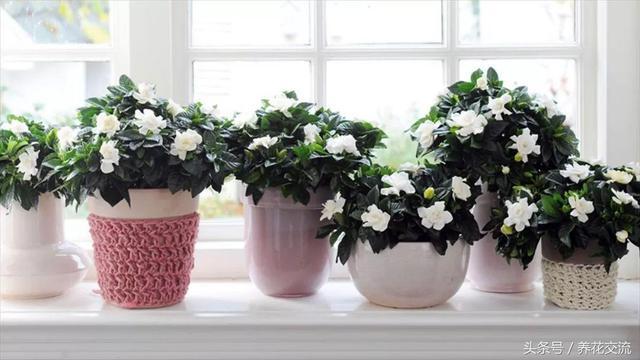
Gardenias produce pure white, fresh-looking flowers in spring and summer. There are many varieties of gardenia. It is a flowering shrub well suited to tropical and subtropical regions. Its blooming period is short, but it bears white flowers with a rich, delicate fragrance.
Gardenia is a subtropical flowering shrub native to China. It likes warm, humid conditions year-round. The growing position should have as much light as possible, and it should be planted in slightly acidic soil.
When caring for gardenia, you must keep it warm and protect it from freezing. It does not like frosty or waterlogged places. The growing soil should be a well-drained, humus-rich, slightly acidic sandy soil. Avoid soil that leans alkaline. If it is grown in shade for too long, it easily falls prey to pests and diseases.
If gardenias are grown in pots, avoid excessive exposure to strong sun, and provide some shade when summer temperatures get too high. Gardenias usually bloom in spring and summer. The soil pH for growing gardenia should be kept between 4.5 and 5.5. Potted gardenias need regular acidic fertilizer, generally a ferrous sulfate solution once every 2 to 3 weeks.
For routine watering of gardenia, avoid using tap water directly. You can let it sit in a container for 3 to 5 days before use, or simply water with rainwater.
If gardenias are grown in the ground, you can sprinkle some sulfur powder per square meter and regularly mulch with some pine and oak wood shavings; this helps increase soil acidity.
When planting gardenia, you can add plenty of well-rotted manure or compost to the bottom of the pot, avoiding contact with the roots and stems. The soil can be amended with an appropriate amount of peat moss or compost, and mixed with a suitable amount of worm castings. The base of the stems can be mulched with some dry rice straw or other dry hay, which helps prevent stem rot.
Gardeners in the north generally choose to grow gardenias in pots. In winter, they can be moved indoors to a warm spot, such as a sunny windowsill. In summer, they can be placed in a cool position with some shade in the afternoon. Gardenias can be grown in plastic pots, ceramic pots or clay pots.
Potted gardenias can be repotted once every 2 to 3 years to prevent the roots from becoming too crowded. Do not repot while they are blooming, or the buds will drop. Do not repot when summer temperatures are too high or during the cold winter season either.
Gardenias need plenty of water during the growing season. Be sure to grow them in loose, well-drained soil to avoid waterlogging and root rot. Any standing water in the saucer should be poured off promptly. In spring and summer, you can regularly give some organic fertilizer solution, which helps promote better blooming.
Common problems when caring for gardenias:
In winter and spring, when the temperature is cold, avoid moving them outdoors too early, otherwise yellow leaves and bud drop easily occur. At this time, yellow leaves appear at the bottom, and they will gradually recover once the temperature rises again.
1. Why do flower buds drop?
If gardenias are overwatered during blooming, or the soil becomes too dry, or they are exposed to strong sun or freezing, buds easily drop.
If the growing conditions are very suitable and the flowers still drop, it may be an infestation of thrips or aphids. You can spray insecticide once every three weeks; 3 to 5 consecutive sprays will clear them completely.
2. Why do the leaves turn yellow and drop?
If only the bottom leaves of the gardenia turn yellow, it is very likely normal rooting and sprouting activity, as they consume nutrients from the base of the branches.
If the top leaves also start turning yellow, it may be a lack of trace elements, especially iron-deficiency yellowing or a lack of magnesium. If the soil lacks magnesium, the bottom leaves will start turning yellow. Iron-deficiency yellowing starts with the new leaves turning yellow, and watering with a suitable amount of ferrous sulfate can help ease it.
3. Why do the leaves turn black?
If gardenias are infected with gray mold, their leaves will turn black. If they are covered with honeydew, a rather sticky sweet substance usually excreted by scale insects, spray promptly, or wipe it off with a soft cloth dipped in some alcohol.
4. Why do gardenias not bloom?
If your gardenia blooms once and then never blooms again, you can prune it appropriately in September and regularly give acidic fertilizer, such as ferrous sulfate solution.
If your gardenia turns yellow and brown, that is the normal fading of the flowers. The flowers start white, slowly turn yellow, and then gradually dry up. If the sunlight is especially strong, they may even turn brown before slowly withering. These are all normal phenomena.
Do not repot a gardenia right after buying it. The pure white flowers of the gardenia will slowly fade; the flower slowly turns from white to yellow, then withers and drops. After the flowers fade, remove the spent blooms promptly. Also, pay attention to providing light, avoid overwatering, and do not move it around frequently.
After all the flowers have faded, replenish some acidic fertilizer. You can water directly with ferrous sulfate solution. You can also supplement some potassium, such as a suitable amount of monopotassium phosphate, which helps promote better blooming next time.