Growing miniature roses on the balcony but the leaves keep turning yellow? Master these care tips
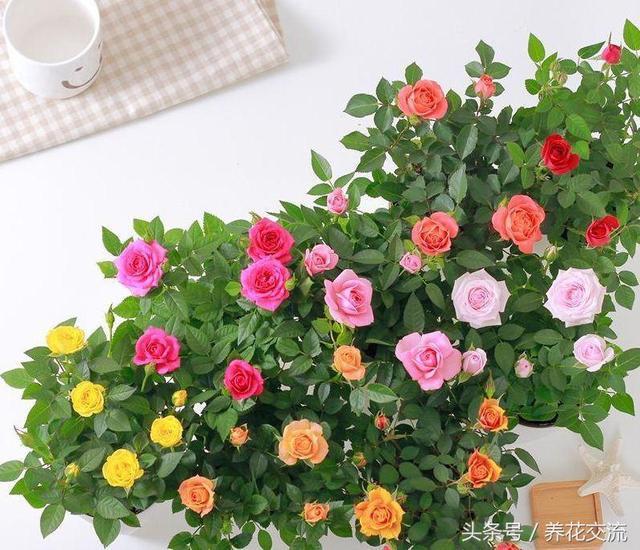
In flower shops you often see small roses for sale, and these are actually miniature roses, a variety of rose with a relatively short, compact plant. Their care methods are not too different from ordinary roses. They have good cold tolerance but poor heat tolerance, and if the care method is not correct, yellow leaves are likely to appear.
Miniature roses must be grown in a spot with plenty of sunlight, and excessive heat must be avoided. Especially in summer, when the temperature exceeds 33°C, they should be shaded appropriately. If you want to care for them better in summer, you must maintain good ventilation. You can spray water on the ground to lower the temperature, but avoid spraying it on the leaves.
Miniature roses have quite good cold tolerance; just keep the minimum temperature above 4°C.
Growing miniature roses on a balcony is completely fine, but you need to maintain more than 6 hours of direct light every day, and they cannot be grown on a balcony with enclosed, stuffy space. Air circulation must be maintained; a closed environment will not allow them to grow well. Try not to move miniature roses indoors for care.
To cultivate miniature roses, you must choose a loose, fertile, well-drained organic soil rich in humus. You can buy special rose soil for planting.
In caring for miniature roses, besides giving them as much light as possible and avoiding scorching sun or extreme heat, you also need to pay attention to watering. Not only should you not water directly onto the leaves, but you should also water regularly. In spring and summer, keep the soil moist, and do not water until it is dry. The best time to water is in the morning. When the temperature is high in summer, you can water once in the morning and once in the evening, but you must never water at night.
If you want to encourage your miniature roses to keep blooming, you must fertilize regularly. Especially during the peak growing seasons of spring and autumn, basically fertilize once every ten-odd days, preferably with organic liquid fertilizer. When the temperature exceeds 33°C in summer and when the temperature is lower in winter, stop fertilizing, otherwise it is easy to cause fertilizer burn.
After the flowers of miniature roses fade, remove the spent flowers promptly, which helps them bloom better next time. In late autumn and before it turns cold in winter, you can do an appropriate pruning, cutting off all diseased leaves, dead branches and some crossing branches, keeping about 2/3 of the foliage and branches.
For newly repotted small roses, which are actually miniature roses, when the leaves at the bottom turn yellow like this, these yellow leaves will also fall off before long. At this time you need to increase light, keep the environment well ventilated and let light through, and also apply appropriate topdressing; just give a small amount of foliar fertilizer as a supplement.
If this condition appears in a newly repotted miniature rose, it is a relatively normal phenomenon. These yellow leaves turn yellow in order to promote rooting, and the nutrients consumed can help the plant recover and grow.
At this time, avoid overwatering. Too much water not only cannot alleviate the yellowing of leaves, but also easily causes continued yellowing. You can cut off these yellow leaves, then appropriately cover the potting soil with some soil rich in organic matter, which helps it recover health better.
In addition, pay attention to improving the care environment a little. The flower pot must be a Qingshan pot, gallon pot or red clay pot that is breathable, drains well, and is good for rooting. Other flower pots are not very good in breathability and drainage, though they can barely keep the plant alive. The environment must remain ventilated and let light through, and shade appropriately when the temperature is high in summer.
When cultivating miniature roses, note that they should be repotted once every 1~2 years, removing the old soil and replacing it with loose, fertile, slightly acidic organic soil.