Fertilizing Methods for 50 Common Flowers: Even Beginners Can Grow Stunning Blooms
Lately, many gardening friends have been asking about fertilizing. Autumn is a great time to fertilize many flowers and plants, as it is the second most important peak growing season of the year. Adding flower fertilizer at this time makes leaves grow more vigorously, and flowering plants can more easily store up energy to produce more blooms. This is also the reason why experts can keep their plants lush and blooming continuously, while your own plants grow thinner and produce fewer flowers. Today I have collected 50 fertilizing methods for common flowers. After reading them, you too can grow breathtakingly beautiful flowers!
- Fertilizing Methods for Common Flowers and Plants -
- Azalea -
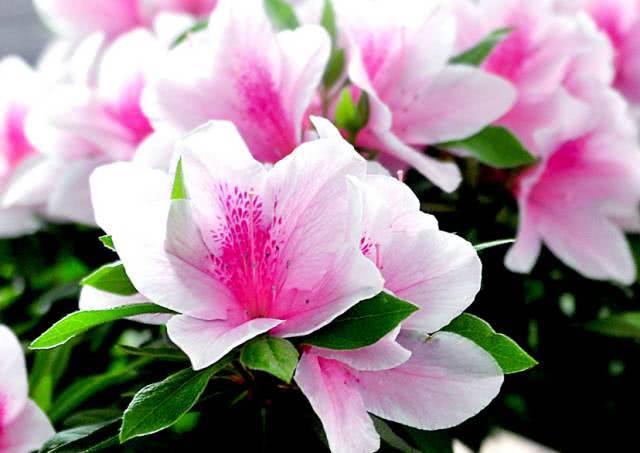
Azaleas have a very fine, dense root system and a strong ability to absorb water and nutrients. They like fertilizer but fear concentrated fertilizer. From March to May, to encourage the growth of branches, leaves and flower buds, fertilize once a week. June to August is midsummer, when azalea growth gradually slows and the plant enters a semi-dormant state. Too much fertilizer will not only cause old leaves to drop and new leaves to yellow, but also make the plant more susceptible to pests and diseases, so fertilizing should be stopped. In late September, when the weather gradually turns cooler, azaleas enter their autumn growth period. Apply a 20%-30% phosphorus-containing liquid fertilizer once every 10 days to promote flower bud growth. Generally, after October, autumn growth basically stops, so no more fertilizing is needed.
Whether watering or fertilizing, do not use tap water directly. It should be acidified (by adding ferrous sulfate or vinegar) and used only after the pH reaches about 6.
- Snake Plant -
Snake plants have low fertilizer requirements; applying a thin liquid fertilizer once a month during the growing season is enough. You can evenly bury 3 holes of cooked soybeans in the soil around the pot edge, with 7-10 beans per hole, being careful not to let them touch the roots. Fertilizing should stop from November to March of the following year.
- Lucky Bamboo -
Lucky bamboo is a foliage plant, so nitrogen fertilizer is the main type used. In spring and autumn, apply a liquid fertilizer rich in nitrogen and potassium once every 15-20 days. Fertilizing should generally stop in midsummer and winter.
Dieffenbachia's vigorous growth period is from June to September. Apply cake fertilizer water once every 10 days, and after autumn begins, add 2 extra applications of phosphorus-potassium fertilizer. Applying nitrogen fertilizer once every 1-2 months from spring to autumn can promote glossy, lustrous leaf color. If the room temperature falls below 15°C, stop fertilizing.
- Pothos -
Pothos fertilizing is mainly nitrogen-based, with potassium as a supplement. Spring is the peak growth period for pothos and the best time to fertilize, with applications possible once every 10 days. In summer, when temperatures are high, pothos also grows quickly and can be fertilized appropriately, but not too frequently -- once every 15-20 days. In autumn and winter, pothos gradually stops growing, and fertilizing should be avoided at this time.
- Spider Plant -
Spider plants are fairly fertilizer-tolerant foliage plants. If fertilizer and water are insufficient, the leaf tips tend to scorch and the plant ages, with leaves turning yellow and losing their ornamental value.
From late spring to early summer, apply organic fertilizer liquid once every 7-10 days. For variegated varieties such as Golden Edge and Golden Heart, use less nitrogen fertilizer to prevent the variegation from fading or even disappearing, which would affect their appearance. You can appropriately apply organic fertilizer made from fermented bone meal, eggshells, etc. After full fermentation, take an appropriate amount of diluted liquid and apply it once every 10-15 days to make the variegated leaves bright and vivid. In autumn and winter, stop fertilizing when the ambient temperature falls below 4°C.
- Rose -
Roses love fertilizer. The base fertilizer should mainly be slow-release organic fertilizer, such as decomposed cow manure, chicken manure, soybean cake, oil residue, etc.
Potted roses should be fertilized frequently. During the growing season, apply dilute fertilizer water once every 10 days to make leaves thick, deep green and glossy. Before budding in early spring, apply a more concentrated liquid fertilizer once. Avoid fertilizing during the flowering period, and after the flowers fade, apply 1-2 follow-up applications of quick-acting fertilizer.
- Cyclamen -
Cyclamen does not like concentrated fertilizer. When repotting each year, you can add some base fertilizer. During the growing season, fertilize once every 1-2 weeks, and stop fertilizing when temperatures rise in early summer.
- Money Tree -
Money trees grow rapidly during the growing season and need ample fertilizer. Apply fertilizer once every half month, with a balanced application of nitrogen, phosphorus and potassium to promote robust growth and emerald-green leaves and to prevent leggy growth. Do not fertilize at other times.
- Gardenia -
Gardenias love fertilizer. When repotting, apply organic fertilizer as base fertilizer, and during the growing season, fertilize frequently with thin applications. During the growing season, apply organic liquid fertilizer once every 10 days or so, preferably 10%-15% concentration cake fertilizer water. During the growing season, in combination with fertilizing and watering, water with 0.2% ferrous sulfate solution once every 15-20 days to prevent leaf yellowing.
After buds appear, apply 2-3 additional applications of quick-acting phosphorus fertilizer, such as 0.5% superphosphate. Do not fertilize past autumn; fertilizing after autumn causes vigorous autumn branch growth, making the plant susceptible to cold damage.
- Clivia -
Clivias love fertilizer. During the growing season, apply thin fertilizer once every half month or so, preferably fermented decomposed cake fertilizer. January is the period when the flower scape emerges. During this period, apply 2-3 applications of phosphorus-based liquid fertilizer to encourage abundant, brightly colored blooms. In the high-temperature summer season, clivia growth stops and fertilizing should be stopped. In autumn, use mainly nitrogen fertilizer to benefit leaf growth.
In addition, you can spray the leaves with 0.1% monopotassium phosphate or 0.5% superphosphate, once every 10 days or so. For seedlings, this not only makes them grow faster with better flower bud differentiation, but also produces more blooms that are larger and more colorful.
- Kalanchoe -
Kalanchoe loves fertilizer. Half a month after seedlings are potted or half a month after old plants are divided, apply 2-3 applications of nitrogen-based liquid fertilizer to promote stem and leaf growth. After flowering, apply one application of nitrogen-based liquid fertilizer to help the plant recover. At other times, except for stopping fertilization in summer, only apply nitrogen-phosphorus-potassium compound fertilizer. When fertilizing, do not get fertilizer on the leaves, otherwise the leaves will easily rot. If you accidentally get some on the leaf surface, rinse it off with water.
Kalanchoe has a long flowering period, so you should break the rule of not fertilizing during flowering. Apply a thin nitrogen-phosphorus-potassium fertilizer or 0.2% monopotassium phosphate solution once a month so that later blooms do not become smaller and paler due to nutrient deficiency.
- Lucky Bamboo (Dracaena sanderiana) -
For hydroponic lucky bamboo, you can add nutrient solution once a month to make the leaves even more lush. Do not fertilize in high-temperature summer or low-temperature winter. Soil-cultured lucky bamboo loves fertilizer but cannot tolerate raw or concentrated fertilizer. Apply thin fertilizer once every half month, and generally do not fertilize in winter.
- Asparagus Fern -
Fertilize asparagus fern in small amounts and often. Do not apply concentrated fertilizer, otherwise it will cause leaf yellowing. Generally, apply decomposed thin liquid fertilizer once a month. After the plant has grown and taken shape, you can appropriately reduce fertilizing.
- Orchid -
Orchid fertilizing varies greatly. For example, Cymbidium faberi has high fertilizer needs, while Cymbidium goeringii has low fertilizer needs -- only one-fifth that of Cymbidium faberi. So you must treat them differently according to variety.
Newly planted orchids should not be fertilized in the first year. Only after 1-2 years of cultivation, when new roots are growing vigorously, can you fertilize. Generally from April until the start of autumn, apply fully decomposed thin cake fertilizer water once every 15-20 days. In the intense heat of midsummer, stop fertilizing. The best time to fertilize is in the evening. When fertilizing, avoid getting liquid fertilizer on the leaves. Winter is the dormant period for orchid growth, and generally no fertilizing should be done at this time.
- Radermachera (China Doll) -
Radermachera grows rapidly and needs relatively more nutrients. During the growing season, fertilize frequently, generally with equal proportions of nitrogen, phosphorus and potassium mixed fertilizer. You can also use diluted thin fertilizer water instead of plain water.
During the growing season, apply quick-acting liquid fertilizer once a month. After the Mid-Autumn Festival, apply 2-3 consecutive applications of 0.3% monopotassium phosphate solution to increase the plant's cold resistance and help it survive the winter safely. When summer temperatures exceed 32°C, or when temperatures drop below 12°C in late autumn and early winter, stop all follow-up fertilizing.
- Christmas Cactus -
During the growing season of Christmas cactus, fertilize once every half month. In autumn, add 1-2 applications of phosphorus-potassium fertilizer. After flowers fade in March, the plant enters a brief dormant period. Control watering and stop fertilizing, and wait until new buds emerge from the stem segments before resuming normal fertilizer and water management. For newly grafted shoot buds, keep fertilizer and water away from the graft union to prevent rot.
- Calathea -
During the growing season, apply liquid fertilizer once a month to supplement the nutrients needed for the turnover of old and new leaves and to promote robust growth. The leaf color becomes vivid. When fertilizer is lacking, the plant noticeably becomes smaller, the leaf color turns pale yellow, and the metallic sheen loses its brightness. The fertilizer applied should mainly be phosphorus and potassium, with not too much nitrogen. Generally, use 0.2% liquid fertilizer sprayed directly on the leaf surface, then rinse with a small amount of water to prevent fertilizer damage. Phosphorus and potassium fertilizer is also very beneficial for new bud sprouting and growth. Stop fertilizing in winter.
- Camellia -
Camellias love fertilizer. When potting, be sure to put base fertilizer in the potting soil, mainly phosphorus-potassium fertilizer. Fertilizers used include decomposed bone meal, hair, chicken feathers, rice husk ash, poultry manure, and superphosphate. Normally, do not fertilize too much. Generally, apply 2-3 applications of thin fertilizer water between April and May after flowering, and apply one application of slightly more concentrated water fertilizer in November in autumn. When fertilizing, note that the proportion of phosphorus fertilizer should be slightly higher to promote abundant, brightly colored blooms.
- Jade Plant -
Jade plants grow relatively fast and have some demand for fertilizer, but their requirements are not high. During the growing season, apply nitrogen-based fertilizer 2-3 times. Do not fertilize when summer temperatures are high or winter temperatures are low. If the jade plant is large, you can apply only base fertilizer without follow-up fertilizing to control its height.
- Hydrangea -
Hydrangeas love fertilizer. During the growing season, generally apply decomposed thin cake fertilizer water once every 15 days. To maintain soil acidity, you can add 1-3% ferrous sulfate to the fertilizer liquid. Regular watering with alum fertilizer water can make the plant branch abundantly and leaves green. Adding 1-2 applications of monopotassium phosphate during the bud stage can make the flowers large and brightly colored. Avoid applying cake fertilizer during the dog days of summer to prevent pests and diseases and root damage.
- Peace Lily -
Peace lilies are fairly fond of fertilizer. When fertilizer is lacking, new leaves grow slowly. During the growing season, apply fertilizer liquid once every half month, and stop fertilizing in autumn and winter. Be careful not to splash fertilizer liquid onto the leaves, otherwise the leaves will easily burn. If this happens, promptly rinse them clean with water.
- Bromeliad (Guzmania) -
During the growing season, apply liquid fertilizer once every 10-20 days. When fertilizing, never apply fertilizer into the leaf cup at the center of the plant, as this can cause harm. Stop fertilizing during the flowering period, dormant period and summer.
- Peperomia -
Fertilize once a month, using either thin fertilizer liquid or foliar fertilizer. Do not use raw or concentrated fertilizer. Stop fertilizing in winter.
- Aglaia (Mock Lime) -
Aglaia blooms abundantly, so nutrients must be replenished in time. Insufficient fertilizer is an important reason why aglaia fails to bloom or drops leaves and buds. During the vigorous growth and flowering stages of aglaia, apply liquid fertilizer once every 10 days or so to promote branch and leaf growth, and apply a more concentrated phosphorus-based fertilizer once every 15 days or so.
Pay special attention that during the flowering period, phosphorus fertilizer must be the main type, otherwise the plant will only grow leaves without blooming. During the flowering period from June to October, if fertilizing is insufficient, not only will the number of blooms decrease and the flowers lack fragrance, but buds that have already appeared will also wither and fail to open.
- Jasmine -
Jasmine loves fertilizer, especially since it has a long flowering period and needs more nutrients. It also prefers an acidic environment. Normally, water with 1:10 alum fertilizer water once a week. You can also use our quick homemade acidic water method.
During the growing season, fertilize once every 7-10 days. From June to September during the flowering period, apply phosphorus-rich liquid fertilizer frequently, preferably once every 2-3 days. Stop fertilizing after October.
- Dragon Tree (Dracaena) -
Dragon trees should be given thin fertilizer. When fertilizing, use less nitrogen fertilizer and more phosphorus and potassium fertilizer, to avoid the golden-yellow leaf stripes becoming indistinct due to excessive nitrogen. Stop fertilizing during the winter dormant period.
- Areca Palm -
Generally apply decomposed liquid fertilizer or compound fertilizer once every 1-2 weeks to promote vigorous growth and deep green leaf color. In summer, appropriately apply nitrogen-containing organic fertilizer. In winter, you can apply organic flower fertilizer such as sesame paste residue while maintaining the pot soil's moisture balance.
- Safe Tree (Cinnamomum kotoense) -
The safe tree has large leaves and grows vigorously, so it has relatively high fertilizer requirements. During the growing season, apply thin cake fertilizer water or alum fertilizer water once a month. After autumn begins, apply 2 consecutive applications of phosphorus-potassium fertilizer, such as 0.3% monopotassium phosphate solution, to increase the plant's cold resistance and help young shoots become woody early so the plant can safely overwinter. Stop fertilizing in winter to prevent fertilizer damage to the roots, which can cause leaf yellowing or scorching and dropping.
- Narcissus -
For hydroponic narcissus, fertilizing is generally not needed. If conditions allow, applying a little quick-acting phosphorus fertilizer during the flowering period can make the flowers bloom even better.
- Hyacinth -
For soil-cultured hyacinths, apply sufficient base fertilizer before planting. After the leaves emerge above the soil surface, apply phosphorus fertilizer once. After the flowers fade, cut off the flower stems and then fertilize once more. Hydroponic hyacinths can produce beautiful flowers without fertilizing.
- Bougainvillea -
Bougainvillea's vigorous growth period is from April to July. Apply liquid fertilizer once every half month to promote robust plant growth. Starting in August, apply phosphorus-based fertilizer once every 10 days or so to encourage bud formation. After the flowering period, apply a follow-up fertilizer once so that the plant continuously receives nutrient supplementation during the flowering period.
- ZZ Plant (Money Tree) -
ZZ plants love fertilizer. During the growing season, apply liquid fertilizer twice a month. In autumn, stop applying nitrogen fertilizer and apply phosphorus-potassium fertilizer 2-3 times. Stop fertilizing in winter.
- Lily -
Lilies have relatively high needs for nitrogen and potassium fertilizer, so apply once every 10-15 days during the growing season. However, phosphorus fertilizer should be limited, because too much phosphorus fertilizer causes leaf yellowing. During the flowering period, add 1-2 applications of phosphorus fertilizer. To make the bulbs plump, promptly cut off spent flowers after blooming to reduce nutrient consumption.
- Amaryllis -
Amaryllis loves fertilizer. When repotting, changing soil or planting, apply base fertilizer. After potting, apply phosphorus-potassium fertilizer once a month. The fertilizing principle is thin and frequent applications to promote flower bud differentiation and blooming. Stop fertilizing during the flowering period, then resume fertilizing after flowering, mainly with phosphorus and potassium fertilizer and less nitrogen fertilizer. Stop fertilizing in late autumn.
- Calla Lily -
Calla lilies love moist, fertile soil -- what is commonly called "heavy fertilizer and heavy water" -- so calla lilies can be watered and fertilized appropriately more often. Fertilize once every two weeks, but be careful not to get fertilizer on the flowers or leaves. After buds appear, increase the amount of fertilizer to ensure a long flowering period with large, brightly colored flowers and continuous buds, blooming year-round.
- Cactus (Ball Cactus) -
Fertilizing should mainly be organic fertilizer, which can be mixed into the soil or combined with water and poured onto the plant. You can also use slow-release fertilizer, preferably mainly phosphorus-potassium fertilizer with nitrogen as a supplement. Simply dig holes in the pot and bury it in, which can make cacti stronger! In spring, apply follow-up fertilizer 4-5 times, in autumn 2-3 times, and do not fertilize in summer or winter.
- Peony -
Peonies are fertilizer-loving plants. Pay attention to timely follow-up fertilizing. However, newly potted peonies must not be fertilized; the base fertilizer added when mixing the potting soil is enough to meet their growth needs. Generally, start follow-up fertilizing half a year after potting. Fertilizing 2-3 times a year is appropriate. Mainly in spring during the bud stage, the full bloom stage and in autumn. Traditional organic fertilizer is sufficient, and remember to combine fertilizing with watering.
- Monstera -
From June to October, apply nitrogen-based follow-up fertilizer once every 10 days or so. Both organic and inorganic fertilizers can be used, such as well-decomposed fertilizer, soybean cake fertilizer, or inorganic fertilizer. Follow the principle of "rather thin than concentrated" and continue until mid-October, then stop.
- Parlor Palm -
Parlor palms have low fertilizer requirements. Generally, apply liquid fertilizer 1-2 times a month during the growing season. In late autumn and winter, apply a little fertilizer or none at all. Repot once every 2-3 years in spring.
- Brazil Wood (Dracaena fragrans) -
Brazil wood can use cake fertilizer or decomposed cow manure, chicken manure, etc. as base fertilizer. During the growing season, fertilize once every 10-15 days. For foliar feeding, use 0.1% urea plus 0.2% monopotassium phosphate solution. Starting in early September, stop applying nitrogen fertilizer and add 2-3 applications of phosphorus-potassium fertilizer every 30 days or so, which can help the plant tissues fully mature and improve cold resistance for overwintering.
- Umbrella Tree (Schefflera) -
The growing season requires ample nutrients, so from April to September, apply granular fertilizer once a month or regularly water with diluted fertilizer water to ensure sufficient fertilizer supply in the potting soil. Do not apply any single element excessively, otherwise deficiency symptoms of other elements may appear, leading to poor overall growth. For variegated varieties, use less nitrogen fertilizer, as too much nitrogen will cause the variegated patches to gradually fade and turn green.
- Hibiscus -
When hibiscus buds begin to sprout, apply follow-up fertilizer in time. The follow-up fertilizer should mainly be quick-acting fertilizer, which can promote vegetative growth. Before flowering and bud formation, add 1-2 more applications of phosphorus-potassium fertilizer to promote bud formation and blooming. The flowering period of hibiscus is from May to October each year. During this period, in combination with weeding and earthing up, apply follow-up fertilizer twice more to ensure abundant blooms and vigorous tree growth.
- Dianthus -
Dianthus loves fertilizer. Before planting, apply a sufficient amount of baked fertilizer and bone meal. During the growing season, continuously apply liquid fertilizer, generally decomposed thin fertilizer water once every 10 days or so. After cutting flowers, apply follow-up fertilizer once.
- Fuchsia -
Fuchsias grow rapidly in spring and autumn. During the flowering period, water 1-2 times a day, preferring moist over dry. In combination with loosening the soil, apply thin cake fertilizer water once every 7-10 days. In July and August, when summer temperatures are high, fuchsias generally enter a semi-dormant state. Reduce fertilizing and water lightly with plain water when the potting soil is dry. From September to December, water with decomposed cake fertilizer water once every 10-15 days to keep them blooming continuously.
- Geranium -
During the stem and leaf growth period of geraniums, fertilize once every half month, but do not apply too much nitrogen fertilizer. If stems and leaves grow too vigorously, stop fertilizing and appropriately remove some leaves to benefit flowering. During the flower bud formation period, add phosphorus fertilizer once every 2 weeks.
- Dahlia -
Dahlias are fertilizer-loving plants and must have an adequate fertilizer supply, otherwise the flowers tend to become smaller, the color duller, and the ornamental value reduced. According to growth conditions, apply cake fertilizer 4-5 times as follow-up fertilizer, preferably thin fertilizer. When summer temperatures exceed 30°C, stop fertilizing.
- Tulip -
Tulips are fairly fond of fertilizer. Apply sufficient base fertilizer before planting. Generally, use dried chicken manure or decomposed compost as base fertilizer and water thoroughly. 2-3 days before planting, carefully plow and rake to ensure loose soil. After the bulbs produce two leaves, apply liquid fertilizer 1-2 times. During the vigorous growth period, apply balanced nitrogen-phosphorus-potassium compound fertilizer 3-4 times a month. Stop fertilizing during the flowering period. After flowering, apply 1-2 applications of monopotassium phosphate or compound fertilizer liquid.
- Bird of Paradise -
Bird of paradise requires thin fertilizer water once every half month during the growing season. For home cultivation, it is best to water with fermented rice water or soybean soaking liquid. From flower stem formation to full bloom, you can add 0.5% superphosphate to the fertilizer liquid, which will make the flower colors even more vivid.
- Anthurium -
When planting anthuriums, add a small amount of organic fertilizer as base fertilizer to meet growth needs. Because of its fast growth and relatively high fertilizer demand, apply liquid fertilizer once every 1-2 weeks during the growing season. Root fertilizing is better than foliar fertilizing for anthuriums.
- Petunia -
Petunias love fertilizer, and the difference between using and not using fertilizer is huge. After 4 true leaves appear, during the pricking-out stage, apply 2000x diluted all-purpose fertilizer once a week. From pricking out to final planting, apply 1500x diluted all-purpose fertilizer once a week. During pricking out, you can appropriately add a little slow-release fertilizer. From final planting to the plant-filling stage, apply 1000-1500x diluted all-purpose fertilizer twice a week. From bud formation to full bloom, apply 1000x diluted all-purpose bloom fertilizer twice a week. Sometimes petunias become iron-deficient, so you can add a little ferrous sulfate.
- Goldfish Plant -
During the growing season, apply thin organic fertilizer liquid once every 1-2 weeks to promote vigorous growth. Before flowering, add phosphorus fertilizer to encourage more buds and blooms and enhance the ornamental effect. Do not fertilize the goldfish plant while it is blooming. After the flowers fade, prune and shape the plant, and apply more nitrogen-containing fertilizer.
Whether flowers bloom well and leaves grow vigorously
Fertilizing is so important
Share this with gardening friends who need it!