What is the coral plant? Let us introduce you to this succulent
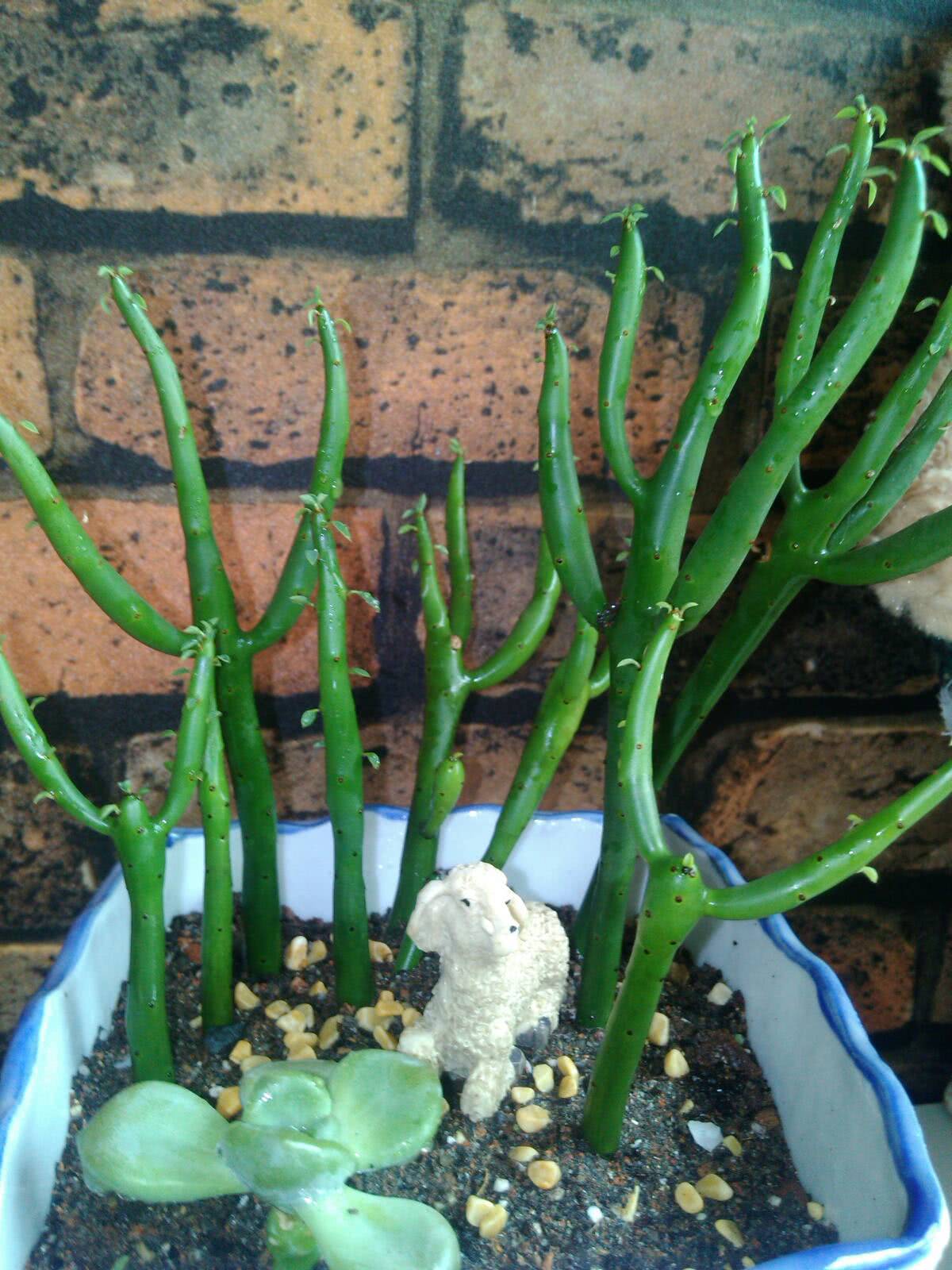
The coral plant, a plant in the genus Euphorbia of the family Euphorbiaceae. It prefers a warm, dry, and sunny environment, tolerates drought and partial shade, is not cold-hardy, dislikes damp shade, and has no obvious dormant period. The ideal growing temperature is 15-25°C, and in winter it should not drop below 10°C.
Propagation method:?
Propagation by sowing or cuttings. Sowing time is March-April in spring; cutting propagation can be done in both spring and autumn.
Cutting propagation:
During the growing season, cut healthy and plump fleshy stems, let them dry for 1-2 days, then insert them into sandy soil for cuttings. After insertion, keep the soil slightly moist; they root very easily.
Coral plant
During the growing period in summer and autumn, cutting propagation can also be used, and it has a relatively high survival rate. When taking cuttings, cut (or thin out) growing branches about 8-10 cm long with terminal buds (remove any flower buds if present), insert them in the usual way, keep the seedbed or potting soil moist, and regularly spray water mist on the terminal buds and terminal leaves of the cuttings. At a temperature between 18-28°C, they will take root in about 10 days. If the cuttings develop well-developed roots and the plants are short, they are suitable for growing into small ornamental-fruit potted flowers. After cutting in autumn, you can enjoy the bright red abundance of fruit in winter.
Coral plant
Sowing propagation:
Harvest mature seeds in winter, rinse them, and dry them in the sun. Sow before Qingming the following year. For small-scale propagation, this can be done in a flower pot: scatter the seeds evenly on the surface, cover with a thin layer of soil, then soak thoroughly by placing the pot in a basin of water. To keep it moist, cover the mouth of the pot with glass or plastic film; in this way they will sprout in about a week, and when new leaves grow, the seedlings can be separated and transplanted. If raising a large number of seedlings, sow in a seedbed, then spray thoroughly with a fine-holed watering can, and afterward spray again when the surface dries, keeping it moist. After transplanting, apply a thin fertilizer once and place it in a spot with ample light.
Coral plant
The winter cherry (Solanum pseudocapsicum) likes sunlight and prefers a warm, sunny environment. The ideal growing temperature is 18-25°C; it is not drought-tolerant, dislikes waterlogging, and fears excess water. The soil should be well-drained. It requires fertile, loose soil. The winter cherry grows vigorously and is relatively easy to cultivate and manage. During the growing season, keep the soil moist and apply a diluted liquid fertilizer plus decomposed sheep manure water once every two weeks. Applying a phosphorus-containing top dressing before flowering can make the flowers abundant and the fruit plentiful. During flowering, water should be moderately controlled; soil that is too wet easily causes flower drop and prevents fruit set. After the flowers have largely opened and small fruits are hanging on the branches, you can increase the amount of water, which can promote the development and growth of the fruit. In hot summer weather, avoid having the plants drenched by midday thunderstorms; after being washed by rain, they are prone to disease, withering, and death. During the high temperatures and endless rainfall of summer, transplanted plants are prone to anthracnose, but those planted in the ground are less affected, so in summer the plants can be moved into the ground for about the summer, then in September potted up with soil, and in late October moved indoors for cultivation, keeping the room temperature no lower than 5°C to help them overwinter safely. The winter cherry looks beautiful even without pruning. However, if grown as a biennial, when repotting in the following spring, in order to control plant height and improve ventilation and light penetration within the plant, part of the branches should be thinned out from inside the plant. During the growth period, as long as there is suitable temperature and ample light, the winter cherry can bloom and bear fruit continuously.