The complete guide to the classification and use of flower nutrient solutions: soilless and soil cultivation, odor-free flower growing
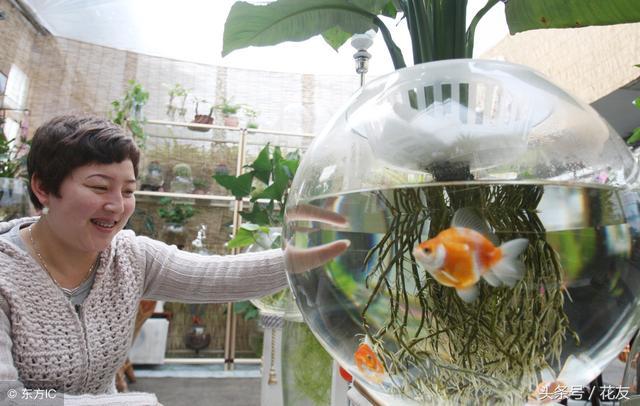
For flower lovers, nutrient solutions for growing flowers are becoming more and more convenient, but some flower lovers do not know how to use nutrient solutions correctly. The containers filled with nutrient solution should be made of ceramic, plastic or glass materials, and iron products must not be used, otherwise the nutrient solution will become ineffective. It is best to mix it as you use it, and the amount of solution given should be determined according to the size of the plant and the volume of the flower pot. If the amount is too much, the plant cannot absorb it, and some may even develop poisoning symptoms; if the amount is insufficient, it will not play a role in promoting growth.
Flower lover: What should be noted when preparing nutrient solution?
Whether it is hydroponic flowers or soil-grown flowers, flowers all need to absorb nutrients from the substrate. Sometimes the nutrients provided to the flowers by the soil or water are not enough, so we need the help of some nutrient solutions. Home hydroponic flowers also have special requirements for oxygen. The nutrient solution of home hydroponic flowers is in a static state, with low dissolved oxygen, which is not conducive to flower growth. The following measures need to be taken to increase the dissolved oxygen for them.
Hydroponic flowers need to be paired with nutrient solution
I. Increasing oxygen for hydroponic flowers
1. Oxygenation by vibration
Fix the flower plant with one hand, and gently shake the container with the other hand more than 10 times. After shaking, the dissolved oxygen content of the nutrient solution can increase by about 30%.
2. Increase the frequency of water changes
Changing the water means replacing the water in the bottle to which nutrient solution has been added. Generally, in spring and autumn, change the water once every 5-10 days; in summer, change the water about once every 5 days; in winter, change the water once every 10 to 15 days. Home hydroponic flowers should use soft water as the water source, and generally tap water that meets national standards can be used. After leaving the tap water to stand for two hours to half a day, wait until its temperature approaches room temperature and the chlorine and other substances in the water have volatilized completely, then add the purchased nutrient solution in proportion, and it becomes a nutrient solution that can be used to grow hydroponic plants.
Fertilizing: Topdressing techniques for different types of home potted flowers
3. Add an appropriate amount of "solid oxygen" to the nutrient solution or add 1% hydrogen peroxide (3% hydrogen peroxide solution).
4. Use a miniature submersible pump or an oxygenation pump (both are standard aquarium products) to aerate the nutrient solution. Plant roots can obtain sufficient oxygen in such an environment, promoting healthy and robust flower growth.
Foliar fertilizer for growing flowers
II. How to use nutrient solution
People need nutrition, and plants also need nutrition. In real life, you occasionally see large trees by the roadside with hanging bottles, receiving IV drips just like people. So how is plant nutrient solution used?
First, there are many types of nutrient solution: flower-viewing type, fruit-viewing type, those suitable for succulent growth, special for Phalaenopsis, and general-purpose types, etc.
Second, the amount of nutrient solution used can be determined by the size of the plant and the volume of the flower pot, or it can be prepared according to the ratio of water specified in the instructions. If the amount is too much, the plant cannot absorb it, and some may even develop poisoning symptoms; if the amount is insufficient, it will not play a role in promoting growth. The amount of fertilizer applied each time,
Spring and summer are periods of vigorous plant growth, when fertilizer demand is relatively high, so generally fertilize once every half month. In autumn, the amount of fertilizer should gradually decrease, and watering it on once every 1-2 months is enough. In winter, due to low temperatures, the plant enters dormancy, stops growing, and does not need fertilizing.
But if the plant has already taken shape, even during the peak growing season, it only needs occasional watering with a small amount of nutrient solution, once every 3-6 months. If fertilized too frequently, the plant will continue to grow, thereby destroying its original shape.
Because the substrate (water) of some soilless cultivation plants (that is, what we often call hydroponic plants) itself contains no nutrients, they can only rely on watering with nutrient solution to supply plant growth.
Finally, note that the containers filled with nutrient solution should be made of ceramic, plastic or glass materials, and iron products must not be used, otherwise the nutrient solution will become ineffective.
In short, nutrient solution is both scientific and hygienic, and cannot be replaced by other fertilizers.
III. Types and functions of nutrient solutions
Below is an introduction to how to use these nutrient solutions correctly:
1. Hydroponic nutrient solution
Hydroponic nutrient solution is used in hydroponics, where flower roots are directly immersed in the nutrient solution so that the roots directly absorb water, nutrients and oxygen from it. During hydroponics, the concentration of the nutrient solution must not be high, and must not exceed the degree of tolerance of the flowers to the nutrient solution concentration, otherwise fertilizer damage will occur. The concentration of the nutrient solution can be lower, which is beneficial to plant growth.
2. Substrate culture nutrient solution
The concentration of substrate culture nutrient solution is not as strict as that required for hydroponics, because the substrate can adsorb sufficient nutrients. When the nutrient level of the substrate solution is high, the amount adsorbed by the substrate can increase; when the nutrient concentration in the substrate solution is low, the adsorbed nutrients will detach from the substrate, increasing the amount of nutrients in the substrate solution. Substrate culture is much safer than hydroponic flowers. Therefore, when the nutrient solution formula required by the flowers cannot be correctly mastered, growing flowers with substrate culture is more likely to succeed.
Apply thin fertilizer frequently
3. Aeroponic nutrient solution
Aeroponics is suitable for large-scale soilless cultivation. It atomizes the nutrient solution and sprays it around the flower roots, where it condenses into a nutrient solution film on the root surface, allowing the roots to fully absorb water, nutrients and oxygen. The concentration of the nutrient solution should be 20%-30% higher than that of ordinary hydroponics, mainly because in aeroponics the nutrient solution is supplied in the form of spray, and only a thin film adheres to the surface of the vegetable roots, with a relatively small total amount. To meet the needs of vegetable growth, the concentration of the nutrient solution therefore needs to be increased.
Friends interested in growing flowers can follow the official account: Flower Lovers. Every day there are wonderful articles on growing and appreciating flowers to share with you, and fellow flower lovers to enjoy the sea of flowers with you. Submission email: [email protected].