What should I do if my gardenia keeps dropping flower buds and leaves?
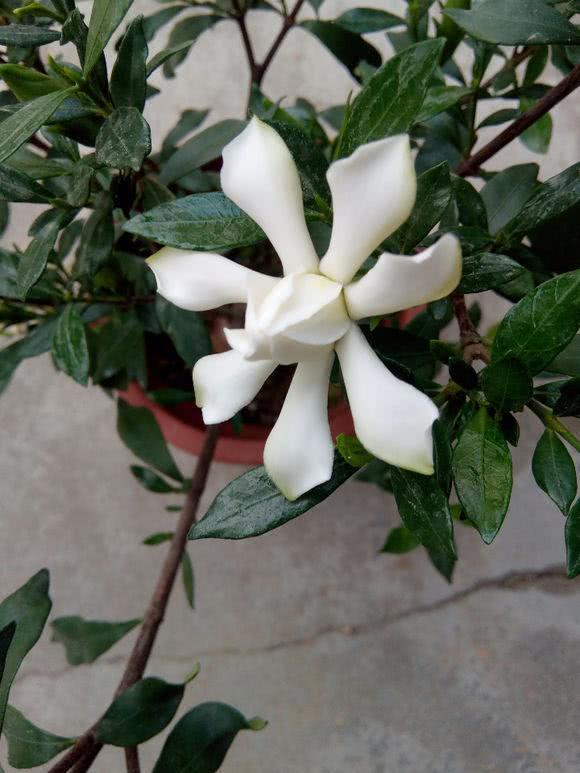
Gardenia is richly fragrant and pure as jade, making it an excellent choice for balcony gardening. It can also purify the air and bring fresh air to the home environment. But after gardenia forms flower buds, it easily drops them, and also develops yellow leaves, leaf drop, and wilting. It is enough to worry you to death.
First, we need to find the cause of gardenia dropping flower buds. Overwatering: Gardenia prefers a warm and humid environment. During care, you need to maintain sufficient water and air humidity, but also remember not to water too much. Overwatering easily causes gardenia flower buds to drop. Generally, water 2-3 times a week, and while watering, you can drip in a few drops of organic nutrient solution to ensure nutrient supply. When the air is dry, also appropriately spray water onto the leaves.
Damage during repotting: Like other flowers, gardenia needs its potting soil changed once every 1-2 years. After repotting, it needs a period of adjustment. If at this time ventilation is poor, or light is too strong, water is insufficient, or water accumulates, all of these can cause gardenia to fail to adapt to the new environment and drop flower buds.
Insufficient nutrients: Gardenia needs sufficient nutrients to supplement when forming flower buds. If nutrients are insufficient, it easily leads to poor plant growth, fewer flowers, and dropped flower buds. So during the growing period, you must supplement enough fertilizer. You can use well-fermented cake fertilizer, eggshells, or rice water to supplement enough nutrients for gardenia, promote flower bud growth, and achieve vigorous blooming.
If flower lovers find it troublesome, it is best to choose ecologically safe organic fertilizer with rich and balanced nitrogen, phosphorus, and potassium content, supplemented with various organic matter, minerals, and amino acids, to promote more gardenia flower buds and vigorous blooming. Methods to promote gardenia blooming
Pruning: In spring, gardenia grows relatively fast and easily produces leggy branches and dead branches, so all of these branches should be cut off. Otherwise, they easily consume nutrients. If your gardenia is growing in a messy, tangled way, hurry up and prune it.
After flower bud differentiation, it is best to supplement more phosphorus and potassium fertilizer, and be sure to use less nitrogen fertilizer, as this will inhibit flower bud differentiation. You can use a dedicated organic fertilizer, purely plant-fermented, rich in nitrogen, phosphorus, and potassium. Flower lovers who like to make their own fertilizer can ferment fish and shrimp shells, or rice water, into organic fertilizer themselves.