These wild vegetables eaten in May can treat colds, pneumonia, pharyngitis, and also tonify the kidney and strengthen yang, among many other conditions
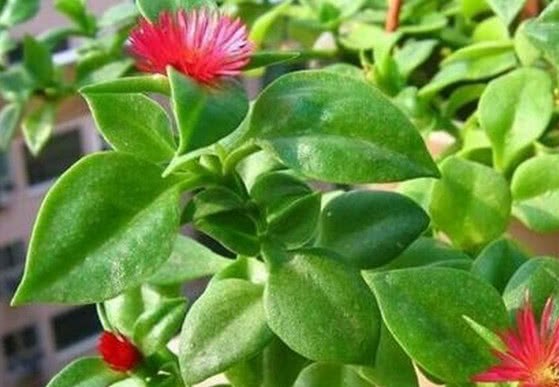
Andrographis paniculata, although both have heat-clearing effects, the medicinal Andrographis paniculata is not edible, while the culinary Andrographis paniculata is a cultivated wild vegetable that can be bought in all major supermarkets. Andrographis paniculata contains natural anti-inflammatory and antiviral components such as andrographolide. For influenza, pneumonia, pharyngitis, angular cheilitis, it has been clinically applied to a variety of infectious diseases, including wound infections, boils, carbuncles, erysipelas, upper respiratory tract infections, acute and chronic tonsillitis, acute and chronic pharyngitis, acute and chronic bronchitis, acute bacillary dysentery, acute gastroenteritis, urinary tract infections, endometritis, pelvic inflammatory disease, otitis media, periodontitis, etc., all with varying degrees of therapeutic effect.
Also known as burdock seed, bat thorn, and burdock vegetable. It is rich in nutrients, and regular consumption can lower the three highs, tonify the kidney and strengthen yang. It disperses wind-heat; clears heat and detoxifies and promotes eruption; diffuses the lung and soothes the throat and reduces swelling. Wind-heat cold, early stage of warm disease; wind-heat or lung-heat cough with difficult expectoration; sore, swollen throat; indistinct macules; early stage of measles with poor eruption and rubella with itching; sores and swellings and mumps, etc. Used raw, it can moisten the intestines and relieve constipation; it is especially suitable for heat-toxin sore, red, swollen and painful throat accompanied by heat bind constipation. For heat-toxin sores and swellings that have not yet ulcerated, it is often combined with Viola mandshurica, wild chrysanthemum and other heat-clearing and detoxifying drugs.
The tender stems and leaves can be eaten, and the old plant can be used to make brooms. It has the effect of promoting urination and clearing damp-heat. It treats difficult urination, gonorrhea, leukorrhea, hernia, rubella, sore toxin, scabies, and damp itching of the genital area. Its tender stems and leaves can be eaten, and it is a semi-wild vegetable containing high carotene and high potassium and copper. Generally, after blanching in boiling water, it is stir-fried, served cold, or used as filling. Stir-fried shredded pork with Kochia scoparia is bright in color and fresh and tasty, and it can also be made into pastries.