3 simple, easy-to-grow air-purifying potted plants; keep one and both the elderly and children stay healthier
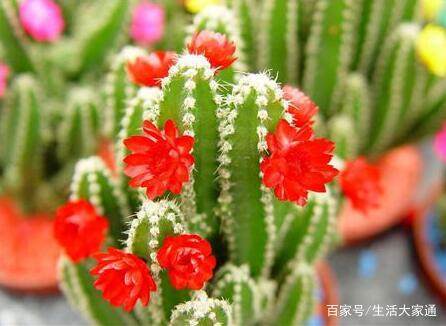
Cacti have a strong adsorption capacity and very vigorous vitality. It is widely known that placing a cactus next to a computer or beside a mobile phone or TV can prevent radiation and is somewhat good for the eyes
In addition, we also want to emphasize here that cacti close their stomata during the day and open them at night, which can effectively absorb carbon dioxide and release oxygen, offering certain benefits for our sleep and health.
Most ferns have an attractive plant shape, fresh and elegantly understated. The Boston fern is no exception, and moreover the Boston fern's leaves are bright in color, light and graceful; when a breeze comes, the leaves sway gently, like dancers dancing gracefully
The Boston fern, especially in the kitchen, can adsorb cooking fumes as well as formaldehyde and other substances from building materials
Clivia (Clivia miniata): releases oxygen; even when doors and windows are tightly closed and indoor air does not circulate, Clivia still plays a very good role in regulating the air. It keeps indoor air fresh.
Clivia is shade-tolerant and likes a humid, cool environment. In summer cultivation, try to avoid strong sun; above 15 degrees and below 25 is most suitable for its growth. Clivia's roots are fleshy, and water accumulation in the flower pot can easily cause root rot. In winter, water evaporates less, so the frequency of watering should be appropriately reduced. Usually it is recommended to use a spray bottle; cleaning the leaves, increasing humidity and watering are all achieved in one go.