Why does white tea become more fragrant with age? The secret is here
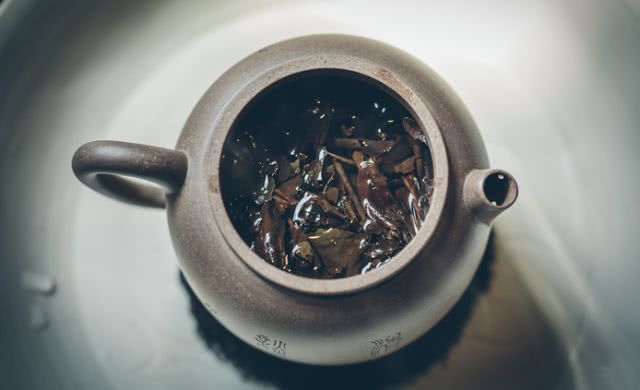
Ordinary tea has a shelf life of two years, because after the two-year shelf life, even if it is stored perfectly, the tea's aroma has already dissipated completely. White tea is different: the longer it is stored, the mellower and more fragrant its taste becomes, and it is known by the saying "one year tea, three years medicine, seven years treasure." So why does white tea become more fragrant with age?
01
How long until white tea counts as "aged"
Aged white tea refers to white tea that has been stored for many years, where "many years" means within a reasonable shelf life. Generally, white tea of five or six years can be considered aged white tea, and aged white tea of ten or twenty years is already extremely rare.
The longer white tea is stored, the higher its medicinal value, so aged white tea has great collectible value. Below, one year, three years and seven years are used as dividing points for discussion.
01
One-year tea
One-year white tea: the freshly picked leaves have only "just grown up" through the natural production process, and the various components in the tea leaves are still at a fixed value. The dry tea is grayish green, covered with white pekoe, the liquor is apricot yellow, and the taste is fresh and brisk; everything is in its most tender state.
After one year, the components in white tea have already changed through oxidation. The content of substances such as flavonoids and caffeine increases slightly, and the characteristics of aged white tea begin to appear, but the "aging" is not obvious.
02
Three-year tea
Three-year white tea has changed in both appearance and internal quality. The dry tea color darkens, the liquor is deeper than that of one-year tea, and the taste is somewhat softer. Its medicinal value is also relatively higher. Three-year white tea also belongs to aged white tea, and its degree of oxidation is relatively higher than that of one-year tea.
03
Seven-year tea
Seven-year white tea is unquestionably "aged" tea. The color of the dry tea transforms from dark green into brown, even black; the taste becomes more mellow and harmonious, and the nature of the tea turns mild; its health benefits become even stronger. It can be called truly veteran aged white tea.
Through these specific years as dividing points, it can be found that the aging of white tea is gradual, and as time passes, it becomes more and more "aged."
02
The reason it becomes more fragrant with age
Aged white tea is famous worldwide for becoming more fragrant with age. What does "more fragrant with age" mean? The reason is the slow chemical changes taking place in the internal components of white tea.
The liquor color of white tea gradually turns red, the taste becomes mellow and harmonious, and the nature of the tea gradually changes from cool to mild. Therefore, like raw Pu'er, the longer white tea is stored, the mellower and more fragrant its taste becomes, and "more fragrant with age" has also become the charm of white tea.
How exactly does it change? Read on.
Tea polyphenols
Tea polyphenols are the most abundant among the soluble substances in tea leaves and are the most important functional component for tea's health benefits. White tea has higher health benefits than other teas, and tea polyphenols play this role.
Within 5 years of storage, the content of tea polyphenols changes little, but in 20-year aged white tea, the content of tea polyphenols decreases noticeably. Although the content decreases, the tea polyphenols do not "disappear"; instead, during storage they transform into brown substances, deepening the color of the liquor.
Catechins
Catechins also have physiological activity with medical and health benefits. Some studies have found that after 1 year of storage, catechins decrease.
During storage, one of the astringent catechins generates theaflavins and thearubigins. Theaflavins can enhance the strength and freshness of the taste, and thearubigins, which have a sweet and sour flavor, can affect the concentration of the liquor, so the mouthfeel of aged white tea is richer and heavier.
Caffeine
Caffeine is an important taste substance in tea; therefore, the caffeine content of tea is often regarded as an important factor affecting tea quality. 20-year white tea has a relatively high caffeine content.
The insignificant change in caffeine is related to its chemical properties. Caffeine's chemical properties are relatively stable. In comparisons of the components of the six major tea categories, compared with other components, caffeine holds its position most firmly and has the strongest character.
Amino acids
Amino acids make up an important component of white tea's fresh and brisk taste. Different amino acids give off different flavors, such as sweet and umami taste and caramel aroma, rose fragrance, floral fragrance, and fresh and brisk taste.
During tea storage, amino acids generate pigment substances through complex chemical reactions, so new white tea has a lighter liquor color, appearing yellow-white, while aged white tea has a deeper liquor color, appearing deep yellow.
Flavonoids
When storage time is relatively long, the structure of polyphenolic substances in tea leaves transforms, promoting the formation of flavonoid substances. Moreover, the longer the storage time, the higher the flavonoid content of white tea.
Flavonoid compounds can scavenge free radicals and have relatively strong antioxidant effects and cardiovascular protective effects, and are an important component of tea's health benefits. Flavonoids are essential natural nutrients for the human body. Because their molecular weight is small, they are easily absorbed by the body, metabolize quickly, and do not accumulate in the body, so they need to be replenished frequently. The human body itself cannot synthesize flavonoids and must obtain them from the regular diet.
In summary, during the storage of white tea, the internal components of the tea leaves slowly undergo changes.
Through the settling of time, the mouthfeel of white tea gains an extra mellowness, and the taste is even more fascinating. As the saying goes, "one year tea, three years medicine, seven years treasure." Beyond drinking tea, storing tea is also an interesting thing to do.
Text and images: sourced from the internet. If there are issues with the content or images, we will promptly correct or delete them.