Put this at the bottom of your pot and root rot will never happen again, while the plant grows like crazy
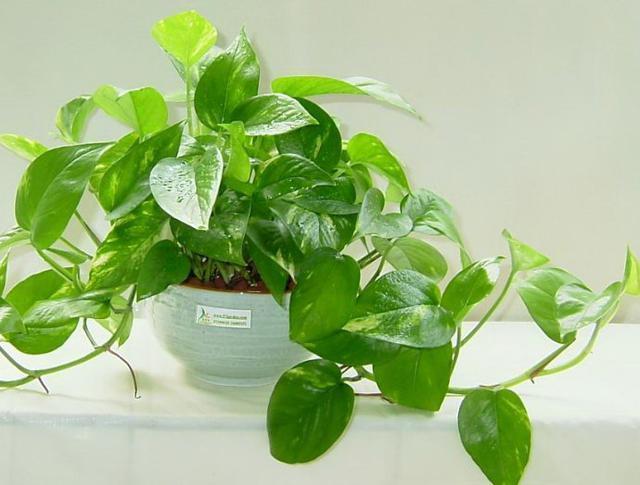
Growing flowers and plants really is a branch of knowledge. For instance, overwatering in summer can make the leaves turn yellow, the roots rot, or even kill the plant outright. So here are a few clever tips for you. Simply put these things at the bottom of the pot when you repot your plants, and they will never suffer root rot again and will grow even better.
Broken roof tiles
Break the broken roof tiles into pieces the size of a fingernail, then place the larger pieces at the bottom of the pot, and put the powdery bits near the plant's roots. This improves the air permeability of the soil. Because roof tiles are fairly breathable and water-retentive, they can absorb excess water, thus preventing waterlogged soil and helping the plant grow better.
Coal cinders
First soak the burned coal briquettes, then take them out and let them dry in the sun. Once half-dry, break them up with a hammer into pieces of uniform size, then rinse them in water several times, put them in the sun until half-dry again, and then place them at the bottom of the pot. This makes the soil more breathable, keeps the plant's roots from rotting, and since coal briquettes contain many trace elements, they are especially suitable for the growth of succulents.
Charcoal
Charcoal is loose and breathable, which can effectively prevent waterlogged soil and keep plant roots from rotting. Charcoal is also rich in minerals and trace elements, which can promote healthy plant growth. You can ask a barbecue restaurant for a little, then break the charcoal into uniformly sized small pieces and place them directly at the bottom of the flower pot. You can also mix the powder into the soil and use it directly for plant care.
Wood shavings
Wood shavings have strong moisture-retaining properties and a certain degree of breathability. Many people use them to grow orchids, but they are not suitable for growing other plants. However, once the wood shavings are decomposed and then used to grow flowers, they not only increase the air permeability of the soil but also provide a certain amount of nutrients.