Can keeping potted plants indoors increase oxygen levels? It is actually a huge misunderstanding
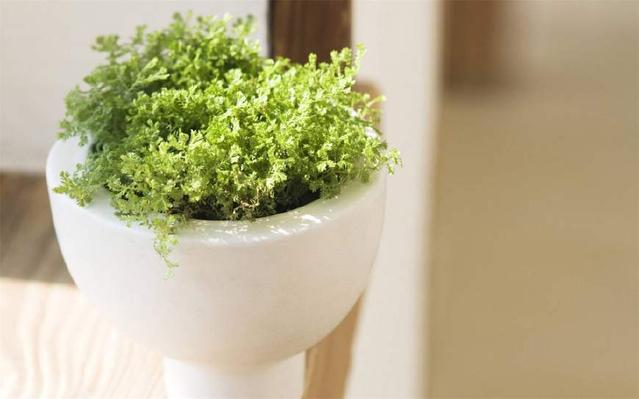
Photosynthesis can produce oxygen; everyone has learned this in textbooks, so we naturally assume that growing potted plants indoors can increase the oxygen content in the air, but this may be a huge misunderstanding.
You should know that while plants carry out photosynthesis, they also carry out respiration. Photosynthesis produces oxygen, while respiration consumes oxygen. Only if the oxygen produced by photosynthesis exceeds the oxygen consumed by respiration can the indoor oxygen content increase. Plant respiration can be regarded as constant, while photosynthesis is directly related to light intensity.
In photosynthesis there is a term called the light compensation point. This refers to the light intensity at which the oxygen produced by a plant and the oxygen consumed by it reach balance. Generally, the light compensation point of sun-loving plants is 500~1000 lux (lux is a unit of light intensity, referring to the amount of light radiation passing through per square meter), while shade-loving plants are slightly lower. So what is our indoor light intensity?
To understand light intensity more vividly, we need a few examples for comparison. The light intensity in a corridor at night is about 5~10 lux, the light intensity that lets us read comfortably is 50~60 lux, the brightness of a TV screen is 80 lux, the light intensity of household indoor lighting is about 100 lux, and the light intensity of office lighting is about 300~500 lux. In other words, the lighting in an ordinary person's home does not even reach the light compensation point, and the oxygen consumed by plants is more than what they produce, so putting potted plants indoors will not increase oxygen content at all.
So how can potted plants produce oxygen? The best way is to place them indoors in a spot where they can receive direct sunlight. On a sunny day, sunlight intensity is 30000~130000 lux. You read that right, that is that many zeros. Just a casual sunbathing session can leave indoor lighting far behind. Even on a cloudy day, the outdoor light intensity is still 3000~10000 lux, which also completely beats indoor lighting.
In addition, plant photosynthesis also has an upper limit. Beyond this point, no matter how strong the light is, photosynthesis will not increase further. This point is called the light saturation point. The light saturation point of shade-loving plants is below 10000 lux. These plants are generally more afraid of direct sunlight, so it is better to grow them in a place with sufficient diffused light. The light saturation point of sun-loving plants is generally around 25000 lux, so they are suitable for being grown directly in sunlight.
There are also some rather unusual plants. For example, the light saturation point of rice and wheat is as high as 80000 lux, and the light saturation point of young corn leaves cannot even be detected under natural light. This may be the result of human selective breeding, because crops with a higher light saturation point have a higher sunlight utilization rate, and the crop yield is also higher.
Finally, a reminder: in addition to sunlight and carbon dioxide, photosynthesis also requires water, so do not let potted plants sunbathe while in a state of water deficiency.