Hydrangea growing methods and color-changing tips: making them bloom abundantly is easy
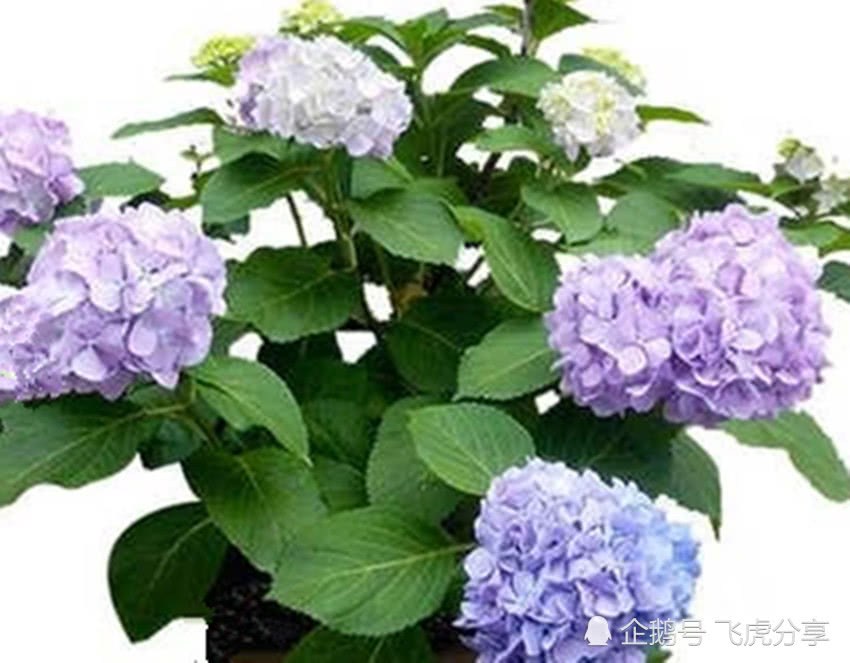
Hydrangeas are woody flowering plants with very strong adaptability, they bloom very easily, form round clusters easily, and come in diverse colors. Through deliberate adjustment, you can make a single plant bloom in the color you want. They can be grown indoors, on balconies, or in courtyards. For the soil, a mix of leaf mold, sandy soil, and organic fertilizer can be used.
The color of most hydrangeas can vary depending on the soil, producing flowers of different colors. Acidic soil produces blue flowers, while alkaline soil produces red flowers. Neutral soil can produce both red and blue flowers at the same time. Based on this characteristic, you can adjust the color by applying plant ash or specialized hydrangea color-adjusting fertilizer sold on the market. According to the color you like, whether blue or red, you can choose a different color-adjusting fertilizer. Flower color-adjusting fertilizer is generally used starting when the flower buds first appear, that is, in March or April each year. It only needs to be applied once a year,
Hydrangea is a flowering plant that prefers partial shade and partial sun. If the summer sunlight is too strong, the leaves are easily sunburned. Because hydrangeas bloom profusely, they need plenty of water and nutrients. Therefore, hydrangeas fear both drought and waterlogging, so the soil should always be kept moist but not waterlogged. After blooming, fertilizer should be applied more heavily to replenish the nutrients consumed by flowering. Also, a nutrient solution or water-soluble fertilizer should be sprayed on the leaves regularly.
Most hydrangea blooming is concentrated on the branches that grew the previous year, so after blooming, the spent flowers should be cut off. In spring or autumn, pinch off the growing tips in time, so that more side buds can grow, allowing the plant to quickly fill out into a full pot and produce more flowers next time.