Don't be afraid of damaging the plant when disbudding roses - do it this way and they will bloom nonstop
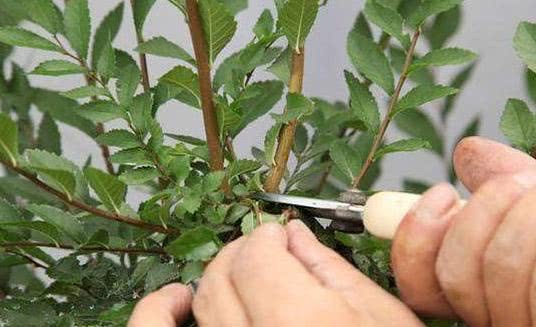
Roses come in a variety of colors and forms, with beautiful blooms, and they are also easy to grow. Many people like to keep them at home to add some color to the house. But roses are also famously disease-prone, always getting sick easily. When they are not grown well, the flowering branches tend to wither. At this point, you need to "disbud" them. Don't be afraid of hurting the rose - only by "rubbing off" these small buds this way can the rose grow strong branches and abundant flowers!
To regulate nutrients and concentrate them in feeding the thick, strong buds, we need to rub off the excess buds, control the density of the branches, and maintain a good plant shape. This is called "disbudding".
When disbudding, pay attention: wait until the buds have grown to about 3 cm before doing it. Keep the thick, strong buds and rub off all the excess buds. Keep the distance between bud points at about 5 cm. Bud points growing inward on the branch can also be rubbed off. If they are allowed to grow, the later branches can easily form blind buds. Only by rubbing off these buds can the strong buds be guaranteed to grow and fully absorb nutrients.
If blind buds and blind branches have already formed, how should you clean them up? First observe the whole plant, find the bud points, and remove the leaves that are blocking sunlight from the bud points. For blind buds, we can remove them directly; for blind branches, cut back to the bud point closest to the tip of the main branch.
When pruning branches later on, there are also 2 points to note:
1. Remember to prune roses before they bloom. Prune them again before the Spring Festival, leaving a few strong, healthy branches, with four or five buds left on each branch. After pruning, remember to fertilize, and you can use a special organic nutrient solution for roses.
2. Prune after blooming. First cut off the spent flowers, then wait until all the rose flowers have finished blooming before pruning. When pruning, be careful to cut to the branch below the two leaves under the flower, and keep the height of each pruned branch roughly the same, so the flowers that grow later will have a more attractive shape. After the overall pruning, remember to fertilize as well.
After that, disbud, prune, and fertilize like this before and after each bloom, and in this way the flowers can bloom two or three times in spring, with strong branches and abundant flowers, and the roses will not wither easily.