Whether soybeans are genetically modified can be determined at home, and the method is actually very simple
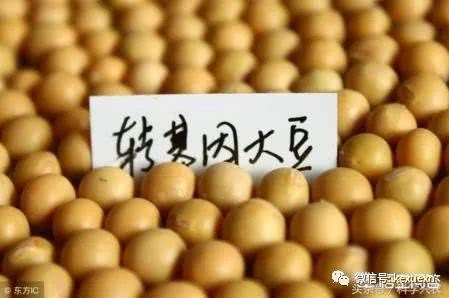
As for how to tell whether soybeans are genetically modified, there are certainly ways. The simplest is to buy genetically modified test strips, which can directly detect whether a product is genetically modified. Another option is to rely on molecular testing instruments, using PCR amplification of the relevant marker genes for detection.
But then again, if you want to rely solely on your own two eyes, let me tell you plainly right here: even if you had Sun Wukong's fiery golden eyes, you still could not tell at a glance whether an agricultural product is genetically modified.
Many tutorials spread claims about identifying genetically modified crops by appearance. Let me give you a rough explanation here: this approach is extremely unreliable. First, genetic modification does not necessarily change a crop's appearance. For example, genetically modified insect-resistant cotton only has enhanced resistance to pests after modification; you cannot see any change in the cotton's appearance, such as plant height, leaf color, leaf shape, or the color and length of the cotton fiber, none of these will change. Another example is genetically modified high-oil soybeans: this kind of soybean only has increased oil content, and no other change is visible; in appearance it is basically the same as ordinary soybeans. That being so, how could it be possible to identify soybeans by appearance?
In addition, let me explain the current sources and uses of genetically modified soybeans in our country. According to our country's relevant regulations, genetically modified soybeans have two uses: oil pressing and soybean meal as feed. As for sources, domestic commercial cultivation has not been approved, so genetically modified soybeans all come from foreign imports. Not only the United States has genetically modified soybeans; imported Brazilian soybeans and Argentine soybeans are also genetically modified soybeans. From the above, it should be fairly clear that we cannot come into contact with genetically modified soybeans in supermarkets. Therefore, the problem of consumers buying genetically modified soybeans will not arise.
Regarding the issue of the black hilum of soybeans, let me clarify one point here: this is merely a trait of soybeans and has nothing to do with whether they are genetically modified. Anyone who has studied Mendelian genetics should understand contrasting traits in genetics, such as yellow and green in soybeans, and round and wrinkled types.
Therefore, to judge whether something is genetically modified, you still need to choose an appropriate method. Although the soybeans currently on the market are not genetically modified, if you are still worried, you can buy genetically modified test strips and test them yourself.
This is Science Agriculture, welcome to add a follow, and let us grow our knowledge together.