Improper flower care can easily lead to 4 plant diseases; here's how to treat them simply
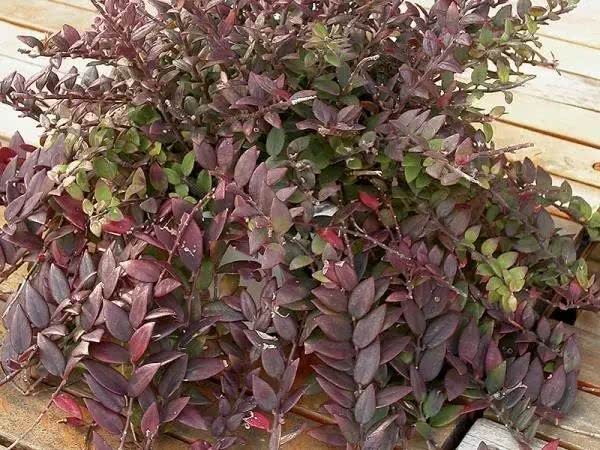
Below are several plant diseases caused by improper care. Some friends don't know where to keep their plants, and sometimes it's because the amount of fertilizer or water given isn't suitable, which causes damage to the plants. Before growing flowers, you must have a little understanding of the plants' growth habits.
(Roots damaged by low temperatures, so the plant wilts)
Unsuitable temperatures, improper fertilization or neglect of soil pH can easily cause problems for plants. Let's take a look below.
1. Unsuitable temperature
In summer, many plants fear high temperatures, especially in stuffy, hot environments. Plants wilt easily, so at this time you must provide shade and ventilation, and also spray water on the ground. This artificial cooling can help the plants recover.
After some tropical plants are grown in the north, the winter temperatures are too low and they easily get frostbitten. At first the leaves and stems are frostbitten, and in severe cases the roots are frostbitten.
(Sunburned leaves)
2. Unsuitable light
When caring for plants, you must know whether they like light, so you can keep them in a suitable place. In summer, most plants need appropriate shading, especially potted plants. Too strong light easily causes leaf burn and scorched yellow leaf tips. If the care environment is not improved in time, the plant will soon die.
(Alkaline soil causes yellow leaves and no flowering)
3. Unsuitable soil pH
Most flowering plants like slightly acidic soil or neutral soil. For example, our common camellias, jasmine, gardenia, azaleas, ixora and so on all like slightly acidic soil. If the soil used for planting is alkaline, it easily causes yellow leaves and poor growth, so don't expect it to flower.
You can water regularly with ferrous sulfate solution, which can improve the soil's acidity and alkalinity.
(Over-fertilization, young leaves curl up)
4. Damage caused by indiscriminate fertilization
Some friends don't fertilize their plants for a long time, so the plants grow especially weak and the leaves become dry and yellowish.
But if you fertilize the plants too much, the plants are in danger. At first the young leaves curl up, and in severe cases the whole pot of leaves turns yellow and the whole plant dies.
If too much fertilizer is applied, you can repot immediately in spring; in summer, you can water with a large amount of clean water to dilute the fertilizer strength.