Plant this purple flower and you can see cone-like blooms throughout summer and autumn
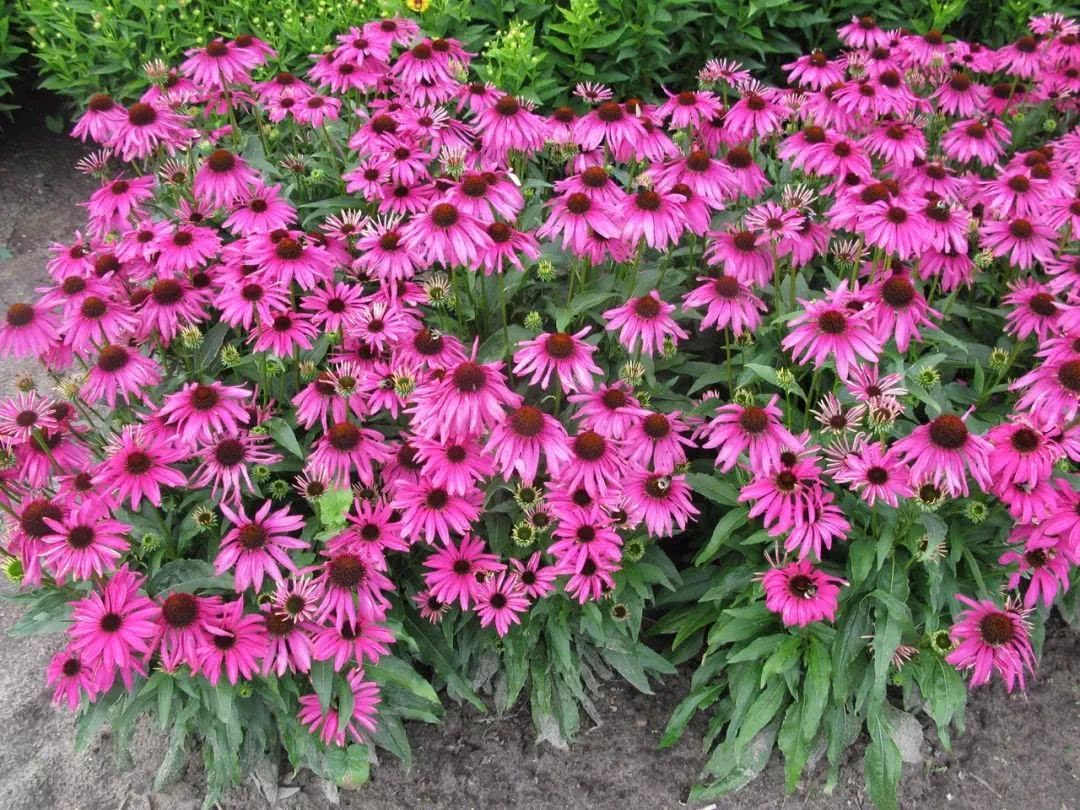
If you want to grow a flowering plant that does not fear scorching sun, then coneflower (Echinacea) is a good choice. It is suitable for planting in flower beds or pots, looks very cute, and is a perennial flowering plant that grows vigorously without much care, and before frost it will provide you with lovely and charming large flowers.
During its care, coneflower does not need frequent attention and can be propagated directly by sowing. After spring warms up, you can scatter the seeds directly on the soil surface and cover them lightly with soil. During sowing, keep the environment warm and moist, water regularly, and keep the soil moist. After seedlings appear, gradually expose them to light. During the growing period, give as much light as possible and it will grow well.
Coneflower is not very fussy about its environment, but the soil must have good drainage, and the growing location must have sufficient light so that it can produce brilliant flowers. If the soil is not fertile enough, you can add some decomposed organic fertilizer or something else to increase the organic matter in the black soil.
If you want to encourage coneflower to bloom brilliantly and keep flowering continuously during the blooming period, then you need to provide more than 6-8 hours of light every day. After summer temperatures exceed 35°C, you can provide appropriate shade, especially for coneflower grown in pots, which should be protected from prolonged scorching sun.
Coneflower can also be cultivated in the north, but it should be planted in pots, and before frost arrives it should be moved indoors for care, with the minimum care temperature kept above 5°C, so that it can continue to bloom and grow the following spring.
If you want to grow coneflower in the yard, you can sow it directly after spring warms up. If you are in a more southern region, you can also choose to sow in autumn, so that you can see its flowers in spring. If you are a friend in the north, you can also plant coneflower in the yard. In winter, after the branches and leaves wither, you can cover it with some soil, and new small shoots will still grow the following year.
Caring for coneflower does not require frequent attention, especially once it is growing vigorously. You only need to regularly prune spent flowers and dead leaves, regularly remove surrounding weeds, and water appropriately during long droughts, so that coneflower can maintain vigorous growth.
During care, avoid pest and disease infections, especially aphids. When watering, avoid getting water on the leaves. Coneflower should be kept at a certain spacing, avoid planting too densely, avoid an overly humid environment, maintain ventilation and light between plants, and promptly remove surrounding weeds.
To encourage coneflower to keep blooming continuously, after the flowers fade, promptly cut off the spent flowers and prevent them from setting seed, so they can retain more nutrients and strive to promote a second round of blooming.
To propagate coneflower, you can not only collect seeds, but also propagate by division. Generally, divide every 3-4 years, which can keep the plant more vigorous. Division can be done in both spring and autumn.
During the process of cultivating coneflower, you can add some decomposed manure or other slow-release organic fertilizer on top of the soil, which strongly promotes more vigorous blooming. For coneflower grown in pots, choose dwarf varieties, and also pay attention to regular checking to prevent them from growing too tall.
If you want to collect coneflower seeds, after its flowers are preparing to set seed, you need to cover them with something to prevent birds from eating the seeds. After the coneflower flowers are successfully pollinated, they will gradually form. In short, after they dry in the sun, you can collect them.
Coneflower can be cross-pollinated, which allows you to cultivate more varieties, helps you obtain different flower colors, and can also improve your gardening experience.