Make your own flower fertilizer and nutrient soil by fermenting pine needles: airy, well-draining and fertile
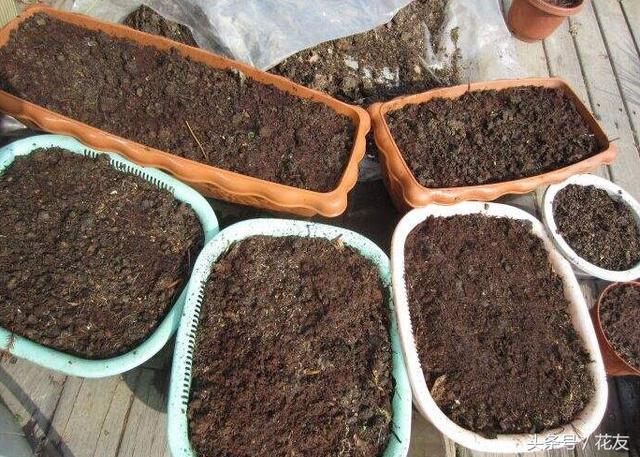
Pine needle soil is fertile and loose, breathable and well-draining, and it also holds some water. It is very rich in nutrients and very light in weight, so when used as potting soil, it is effortless to move around. Clearly, pine needle soil has a great many advantages, and can even be used as flower fertilizer.
Gardener: six major advantages of nutrient soil and three recipes; gardeners get hands-on, and different flowers suit different types of soil
However, whether used as potting soil or as flower fertilizer, pine needles should go through the process of fermentation and decomposition. Only then, after use, will they not harm potted flowers and plants, and only then can their utilization rate be raised and their greatest benefit be brought into play. Below, Huayou Jun shares with everyone the relevant knowledge about fermenting pine needles into flower fertilizer and nutrient soil.
Pine needle soil
1. Go outdoors and collect pine needles and soil from under pine trees. When digging, first push aside the surface layer of pine needles under the tree, and dig up the slightly deeper pine needles and soil.
2. Put the dug-up pine needles and soil into a fairly durable plastic bag, then soak it thoroughly with clean water, while paying attention to controlling the amount of water.
Growing flowers: use aged mature vinegar to adjust the pH of the soil medium
3. Take a few pieces of orange peel and throw them into the bag, spray some insecticide and fungicide at the same time, then seal the bag up.
Pine needles all over the ground
4. Put the sealed bag in a place with a higher temperature to let it ferment. If it is summer, it generally takes 2-3 months to ferment; if it is autumn or winter, the fermentation time can be extended a bit.
5. After fermentation and decomposition, pine needles become slightly acidic. After fermentation is complete, promptly use a sieve to screen and filter it: use the large particles as base fertilizer and the small particles as nutrient soil.
6. Next, you also need to make pine needle enzyme solution. First rinse the pine needles clean, dry off the excess water, cut them into lengths of less than 1 cm, and then make them into pine needle enzyme solution.
7. Mix the mixture thoroughly. If any pine needles float on the surface of the water, press them down to promote fermentation. Pine needles ferment quite smoothly, after all, they themselves also contain rich enzymes.
Of course, gardeners can also spread a layer of pine needles, then a layer of soil, then spray with water, repeat this method several times, and finally seal it up to ferment. If both temperature and humidity are fairly suitable, it usually takes a bit more than 1 month to decompose. Once thoroughly decomposed, it can be used as flower fertilizer.
Functions of pine needle nutrient soil
Friends interested in growing flowers can follow the public account: Huayou. Every day there are wonderful articles on growing and enjoying flowers to share with you, and fellow flower lovers to bathe in the sea of flowers with you. Submission email: [email protected].