It's peak season for wild vegetables; these several kinds can lower blood lipids, fight inflammation and kill bacteria
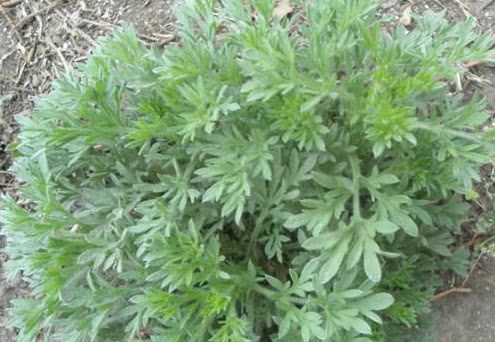
White wormwood is the whole plant of Artemisia sieversiana, a biennial herb in the Asteraceae family, 50-150cm tall, with a single narrow spindle-shaped taproot, the lower stem slightly lignified, with obvious longitudinal ridges and many branches, the stem and branches covered with whitish fine pubescence. White wormwood is a perennial rhizome small semi-shrub. It greens up early in spring and grows fast, beginning to grow from mid-March to April, flowering in mid-August, setting seed in early September, and maturing in early October. It has the effects of clearing heat and draining dampness, cooling the blood and stopping bleeding; taken over a long period it lightens the body, boosts qi, delays aging, and keeps the complexion fair and youthful. It can also treat wind-damp cold-heat pathogenic qi, heat accumulation jaundice and other diseases. It treats generalized yellowing, difficult urination, reduces head heat, removes abdominal masses, opens the joints, clears stagnant heat, and treats typhoid fever and other conditions.
Sedum aizoon contains alkaloids, ursolic acid, sitosterol, flavonoids, sedoheptulose, fructose and vitamins and other medicinal components. These medicinal components work by preventing vascular hardening, lowering blood lipids, dilating cerebral blood vessels, and improving coronary circulation, thereby achieving the effects of lowering blood pressure, preventing stroke, and preventing heart disease (such as coronary heart disease, paroxysmal tachycardia, arrhythmia, rheumatic heart disease, etc.).
Aralia elata buds contain protein, fat, carbohydrates, dietary fiber, vitamin B2, vitamin B1, nicotinic acid, vitamin C, sodium, calcium, magnesium, iron, manganese, zinc, barium, lead, copper, phosphorus, cobalt, chromium, nickel, boron, strontium and peptides and other components. In spring, pick the young buds and young leaves; they can be used fresh, salted, or canned for preservation. Blanch the Aralia elata buds in boiling water, then soak them in fresh water for 2 hours; they can be stir-fried, served as a cold salad, dipped in sauce, or battered and deep-fried. It also has the reputation of being the "king of wild vegetables," and can treat diarrhea, dysentery, sore throat and malnutrition. What dishes does your hometown have?