Salvia miltiorrhiza is not only a traditional Chinese medicine, but also produces colorful, beautiful flowers
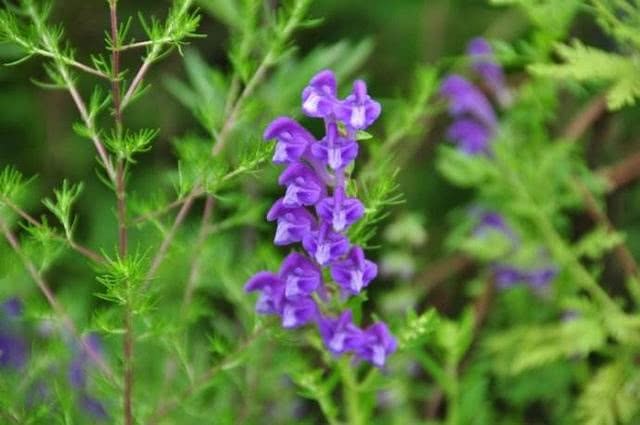
Salvia miltiorrhiza
This wonderful mint relative is often displayed abroad as an ornamental flower, while in our country we usually know it as a traditional Chinese medicine. The root of Salvia miltiorrhiza is used medicinally; it contains tanshinone and is a tonic emmenagogue, with effects such as removing blood stasis, promoting tissue regeneration, invigorating blood circulation, and regulating menstruation.
Salvia miltiorrhiza (scientific name: Salvia miltiorrhiza Bunge): a perennial erect herbaceous plant in the dicotyledonous family Lamiaceae, genus Salvia, with thick roots, vermilion outside and white inside, fleshy; leaves are usually odd-pinnate compound leaves; terminal or axillary racemes; bracts lanceolate, calyx campanulate, tinged with purple, corolla purple-blue, style extending far outward, nutlets black, elliptical, flowering from April to August, fruiting after flowering.
Salvia miltiorrhiza can survive under fairly harsh conditions, but does not tolerate waterlogging, so be sure to plant them in well-drained soil. Once Salvia miltiorrhiza is established, it can withstand long periods of drought. Usually, supplemental watering is only needed during hot summers after long periods without rain. Salvia miltiorrhiza likes light, and the flowering period is longer under sufficient light.
When planting your Salvia miltiorrhiza, leave enough space, as it will grow quite large and begin to spread. After the initial flowering period, if the plant becomes too large, it can be cut back by about half to encourage a second round of blooming. Perennial Salvia miltiorrhiza can also be divided to create more new plants. This practice is best done in early spring when the plants emerge - just be careful not to damage the new tender shoot growth.
Since Salvia miltiorrhiza is a diverse plant family, there is great room for plant improvement. Currently, efforts are being made to improve winter cold hardiness, make the plants more compact, and increase disease resistance. Along with these improvements, researchers are studying bicolor forms of perennial Salvia miltiorrhiza.