What flower is Astilbe? Introducing you to the dreamy little flower
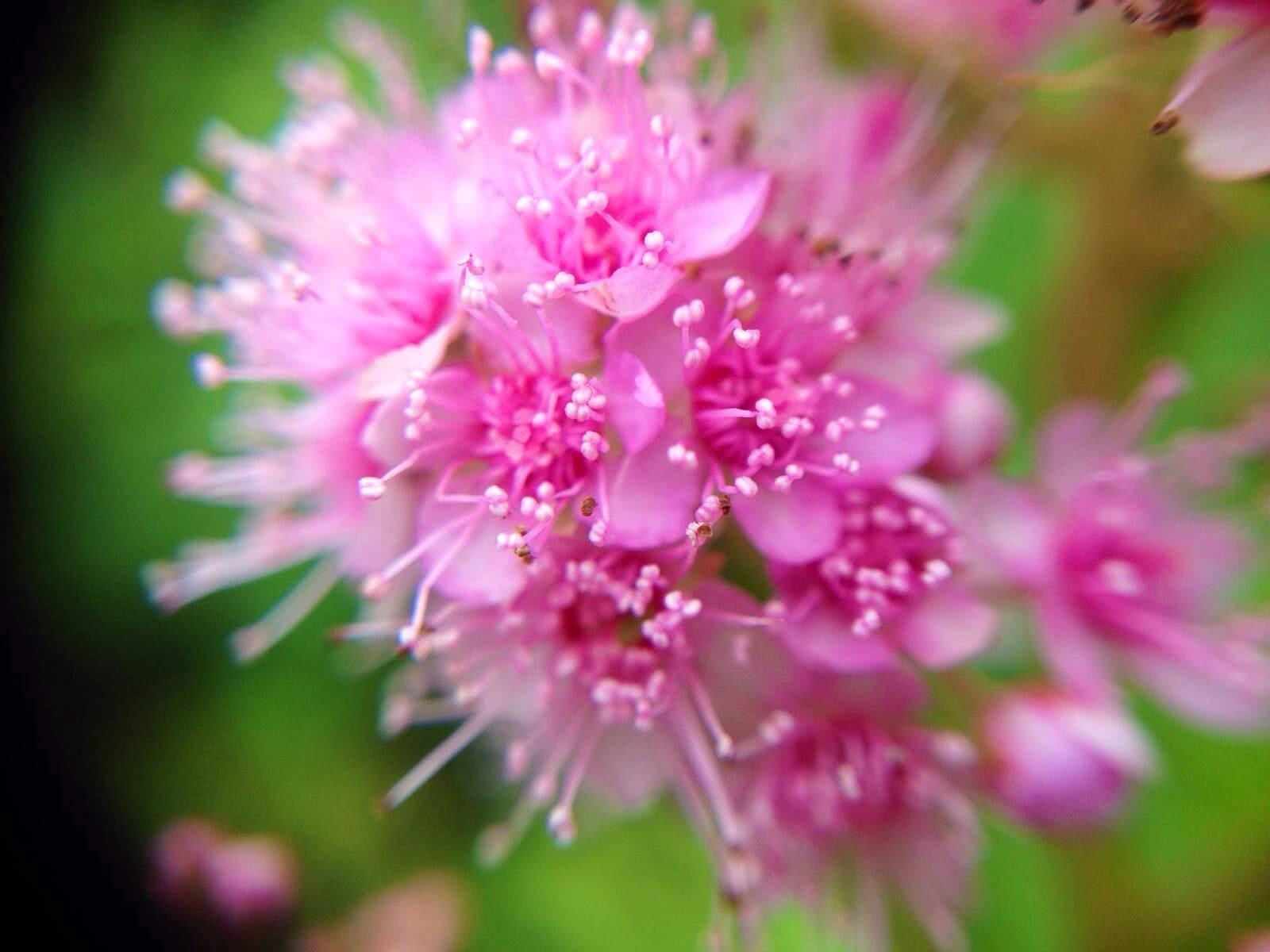
Astilbe: The whole plant is shrivelled. The stem is cylindrical, 1-4 mm in diameter, with a brownish-yellow surface; the base bears brown membranous scale-like hairs or long soft hairs. The basal leaves are two- to three-times ternately compound, mostly broken, with complete leaflets lanceolate, ovate or broadly elliptic, the apex acuminate, the base mostly cuneate, the margin toothed, and both surfaces sparsely covered with stiff hairs along the veins; the stem leaves are smaller and brownish-red. The panicle is densely covered with brown curly long soft hairs, the flowers are dense, almost sessile, the calyx is 5-parted; the petals are 5, narrowly linear. Withered yellow fruits are sometimes visible.
Suitable for planting in sparse woodland and in semi-shaded spots along woodland-edge walls, and it can also be planted beside streams and lakes. It can also be used in flower beds and flower borders. The dwarf types can be used in rock gardens. It can be used as a cut flower or grown in pots. Grown in pots and used as cut flowers for ornament, it has a simple and elegant charm.
It grows in valleys, streamside, under forest, at forest edges and in meadows at altitudes of 390-3600 m. It is distributed in China, Russia, Korea and Japan.
Astilbe
Growth habits:
Astilbe grows in shaded, damp places under mountain slopes or in grass along forest-edge paths at altitudes of 400-3600 m. Astilbe grandis grows in valleys, streamside and in forests at altitudes of 400-2000 m. It grows in valley streamside, under broad-leaved forest and in meadows. It likes semi-shade and grows well in moist environments. It is vigorous, cold-hardy, fairly adaptable to soil, and prefers slightly acidic, neutral, well-drained sandy loam, while also tolerating slightly alkaline soil.
Astilbe
Garden cultivars:
Common cultivars include: the red 'Hongweibing', 'Hongguang' and 'Fanal', the pink 'Goblin' and 'Pumila'. 'Queen Alexandra', the purplish-red 'Zimao', the rose-red 'Miantang' and the white 'Xuebeng' and 'Xuepiao', among others.
Landscaping:
Suitable for planting in sparse woodland and in semi-shaded spots along woodland-edge walls, and it can also be planted beside streams and lakes. It can also be used in flower beds and flower borders. The dwarf types can be used in rock gardens. It can be used as a cut flower or grown in pots. Grown in pots and used as cut flowers for ornament, it has a simple and elegant charm.
Astilbe
Medicinal use:
The whole plant contains hydrocyanic acid, the flowers contain quercetin, the roots and rhizome contain bergenin, and the rhizome, stems and leaves contain tannins. It can be used to extract tanning extract. The rhizome is used as medicine; pungent, bitter, warm; it disperses blood stasis and relieves pain, dispels wind and dampness, and clears heat and relieves cough.