Do you know what needs to be done each month when growing flowers?
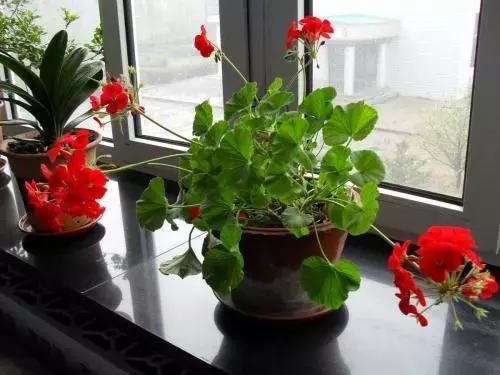
Growing flowers is not as simple as just watering and fertilizing; there is almost always something corresponding to do every month. So what exactly should be done each month when growing flowers?
JanuaryIn January, the weather is at its coldest. At this time, the first thing to do is take measures to keep plants warm. Besides making sure the flowers will not get frostbitten, you also need to control how much you water them and shape the tree stumps. Where flowers are being grown, do the soil turning work and apply base fertilizer to the soil.
FebruaryAlthough the weather in February is a bit warmer, you still need to take measures to keep plants warm, and you can go into the wild to look for old tree stumps and bring them back to make bonsai.
If you keep azaleas, elms, Sageretia, Chinese roses and other flowers at home, as well as deciduous tree stump bonsai, you need to repot them.
From late February to early March, five-leaf pines and Japanese black pines should be propagated by approach grafting.
MarchFor winter jasmine and plum blossoms, carry out post-bloom pruning. If you keep kumquats at home, do heavy pruning before they sprout.
In addition to doing appropriate work to keep plants warm, you also need to ensure good ventilation for them. As for winter jasmine, camellias, spider plants and other flowers, they need to be repotted.
If you want to grow Chinese roses, you can pot them up now. If you grow lotus in a water vat, it is also time to divide the plants.
AprilIn April, you can sow annual flowers, and clivia, pomegranate, asparagus fern and others can also be sown.
For plants such as canna lilies, gladioli and dahlias, propagate by root division, while spider plants, clivia, bamboo palms and other flowers should be propagated by division. Indoor flowers can also be moved outdoors for care.
MayFor plants such as Aglaia odorata, azaleas and camellias, you can carry out aerial layering propagation, and chrysanthemums can be propagated by cuttings. For some shade-loving or semi-shade-loving plants, you can place them in a shaded spot; if there is a large tree, you can place them under it.
For large-leaved foliage plants, spray water frequently to increase the air humidity around them. If you keep cyclamen at home, control watering, because it has entered its dormant period.
For camellias and azaleas, remove their spent flowers and apply some nitrogen fertilizer to support their post-bloom growth.
JuneEpiphyllum, azaleas, camellias, sasanqua camellias and other flowers can all be propagated by cuttings now, while for jasmine, Aglaia odorata, hibiscus and other flowers, increase the amount of fertilizer applied.
For camellias, because they are undergoing flower bud differentiation, apply some phosphorus and potassium fertilizer. For Chinese roses, orchids and jasmine, focus on preventing pests and diseases.
JulyIn July, the weather is very hot. At this time, pay attention: if your flowers at home fear the intense summer heat, control watering, stop fertilizing, and prevent the leaves from wilting, but spray water to maintain moisture.
For chrysanthemums, pinch out the growing tips, and in late July, top the scarlet sage. For plum blossoms, pay attention to controlling water. Also, in this month, do a good job preventing pests and diseases such as red spider mites to avoid the plants being harmed.
AugustIn August, apply phosphorus and potassium fertilizer to azaleas, while autumn chrysanthemums and poinsettias should be topped around the Beginning of Autumn, and when cyclamen, calla lilies and other flowers wake from dormancy, they should be repotted and pruned.
From May to October is exactly a good time to graft Christmas cactus and cactus balls. Flower lovers who want to graft can give it a try.
SeptemberIn September, you can sow some biennial plants, and after the Autumn Equinox, you can divide and repot tree peonies and herbaceous peonies for propagation.
Remove the spent flowers of Chinese roses and prune them. At this time, apply nitrogen fertilizer to warmth-loving flowers so the branches can grow strong.
OctoberRemove the shade measures you set up, and apply phosphorus and potassium fertilizer to Christmas cactus. After Frost's Descent, if there are plants that are not cold-tolerant, move them back indoors in time for care to avoid frost damage.
NovemberIn November, you can dig up the bulbs of bulb flowers such as dahlias and canna lilies and store them. As for tulips, you can take out their bulbs and plant them.
DecemberFor shaped tree stumps, remove the wire fixed on them; for tree stumps such as elms and Sageretia, carry out pruning and shaping; Chinese roses should also be pruned for shaping, leaving just two or three buds.
Each month has its own tasks when growing flowers, so do not think that growing flowers is as simple as just watering and fertilizing.