To grow jasmine, avoid 4 pitfalls, and the flowers will bloom in all their colorful glory
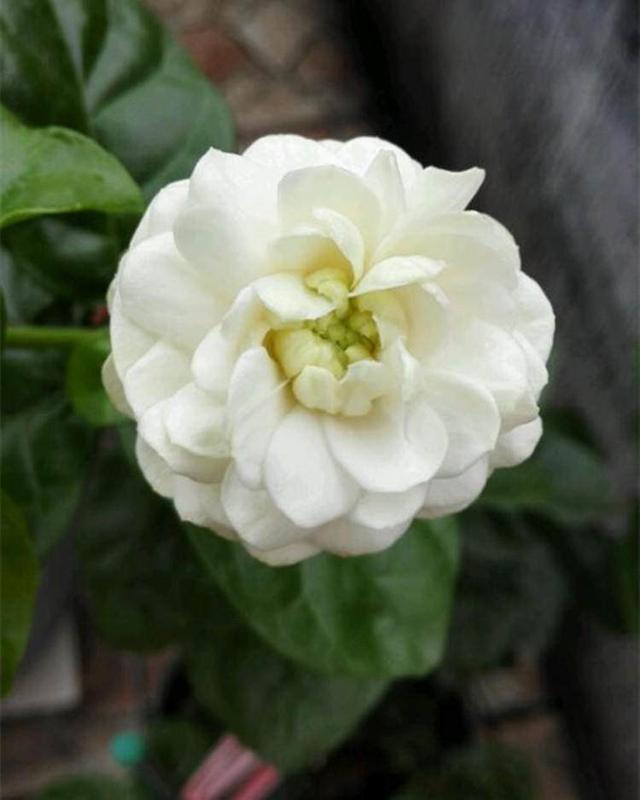
Jasmine, because of its different habits, requires attention to certain "pitfalls" during care. Only by avoiding these "pitfalls" and following jasmine's growing needs can the jasmine bloom in all its colorful glory, with fragrance filling the room.
The first "pitfall": fertilizer
When caring for jasmine, avoid applying fertilizer that is too concentrated or using undecomposed organic fertilizer. Concentrated or undecomposed fertilizer can burn the roots and cause the leaves to turn yellow. However, jasmine loves fertilizer, so gardeners had best stop fertilizing in summer once temperatures exceed 35°C.
During jasmine's growing season, maintain reasonable nutrient levels, with a balanced ratio of nitrogen, phosphorus and potassium fertilizer, applying 500 times diluted organic nutrient solution once a week; during the bud stage, focus on phosphorus and potassium fertilizer, which can promote the formation of more flower buds. During the growing season, spray once every 1~2 weeks with well-fermented alum fertilizer water or ferrous sulfate solution.
The second "pitfall": water
When growing jasmine, avoid water accumulating in the pot. If the potting soil stays wet for a long time, the lack of oxygen in the soil will cause root rot, and the leaves will gradually turn yellow and drop, or even the whole plant will die. However, jasmine loves moist soil, so gardeners should water it every morning and evening in summer; during the winter dormant period, reduce the frequency of watering and control the amount of water.
The third "pitfall": light
Jasmine is a sun-loving flower, so avoid insufficient light during care. Because insufficient sunlight easily causes the plant to grow leggy, with leaves turning pale green and thinner and stems becoming slender; fewer buds, fewer blooms, smaller flowers and fainter fragrance. Therefore, when caring for jasmine, it needs plenty of sunlight, so that the jasmine leaves are deep green, the stems are thick and strong, there are many buds and the fragrance is strong.
The fourth "pitfall": temperature
Jasmine dislikes temperatures that are too high or too low. If the temperature is too high, the plant enters a semi-dormant state, blooming less and unevenly; if the temperature is low, the plant grows slowly, and after being below 5°C for a long time, some branches will freeze to death. Gardeners need to know that jasmine loves high temperatures, usually starting to sprout at around 20°C, forming buds above 25°C, and forming flower buds at 28~33°C, with an optimum growing temperature of 22-35°C.
In addition, when growing jasmine, it needs frequent pinching and shaping in spring. After the peak bloom, it should be heavily pruned, using sharp gardening scissors to cut away excess branches, to encourage new shoots to sprout, making the plant robust and full, with abundant blooms.