10 small potted flowers for the desktop that can be grown year-round and keep blooming with just a little sunlight
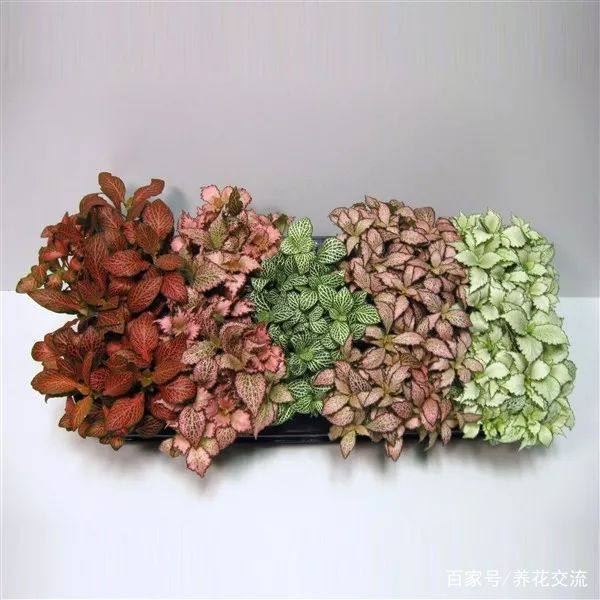
If you want to grow some fresh little flowers that stay green all year round and are suitable for placing on a desktop or windowsill, the ten flowers below have very low space requirements and strong adaptability to their environment. They all have very delicate looks, and paired with a suitable pot they can become a beautiful sight in your home.
1. Nerve plant
The nerve plant is a very short plant, with some varieties even as small as a thumb, making it very suitable for growing on a desktop or windowsill, and it has very low light requirements, growing well even in shady spots. Nerve plants also come in different leaf colors, and even the markings and leaf shapes can differ.
The nerve plant likes a warm, humid environment year round, and the minimum growing temperature should stay above 7 degrees. However, it has relatively high water requirements. In summer when temperatures are high, it may need watering almost every day to keep the soil moist, as long as you avoid waterlogged soil. In winter when temperatures are lower, you can wait until the potting soil is completely dry and then water thoroughly.
2. Aluminum plant
The leaves of the aluminum plant look a bit like those of a coleus, with white veins on the surface, and its ornamental value is good too. It adapts well to its environment and has very low light requirements. In fact, under harsh sun or direct sunlight, its leaves are prone to withering and turning yellow.
The aluminum plant can be grown in partial shade or a spot with moderate light. Water it daily, watering thoroughly once the potting soil is dry, and keep the minimum growing temperature above 0 degrees.
3. Peperomia caperata
Peperomia caperata is also a very suitable small potted plant for growing indoors. It usually has red-purple wrinkled leaves that look fresh and lovely, and it adapts well to its environment, making it especially suitable for very small spaces. Avoid harsh sun or direct sunlight.
To grow Peperomia caperata, you must use loose, well-draining humus soil. Just water it regularly, keep it moist, avoid the soil becoming too dry, and also avoid the air becoming too dry by maintaining some air humidity. Keep the minimum growing temperature above 5 degrees.
4. Corkscrew grass
Corkscrew grass is actually a type of succulent plant. It has low water requirements and can be grown on a windowsill with plenty of sunlight, growing well with about 3 to 6 hours of scattered light per day.
To grow corkscrew grass, use loose, well-draining sandy soil. During cultivation, avoid excessive sun exposure and avoid frequent watering. It likes a warm, slightly dry environment year round and is afraid of the cold. Keep the minimum growing temperature above 7 degrees, and the spot should be well ventilated and let light through.
5. Episcia
Just from the name of this flower you can tell it especially likes shady environments. The episcia has very low light requirements and will bloom with just moderate scattered light. The spot should be well ventilated and let light through, giving 3 to 6 hours of scattered light per day.
The most important thing when growing an episcia is to choose loose, breathable soil rich in humus, and to keep some air humidity in the growing environment, avoiding dry air. Keep the humidity at around 50% to 70%.
6. Purple shamrock
The purple shamrock is a small potted plant I really like. It has black-purple leaves, and the three leaflets combine to look like fluttering butterflies. It is actually a variety of shamrock, and the care methods are about the same.
To grow the purple shamrock, you can place it on a windowsill and give it moderate scattered light each day. Growing it in shade tends to prevent blooming. During the growing season, pay attention to the moisture of the potting soil and avoid overwatering, as too much water easily causes root rot. Keep the minimum growing temperature above 7 degrees.
7. Polka dot plant
The polka dot plant is a colorful ornamental little flower with very good shade tolerance, suitable for growing in partial shade and perfect as a small desktop potted plant. To grow the polka dot plant, give it loose, well-draining humus soil. During the growing season, keep the soil moist. When temperatures are higher, mist it regularly with water to maintain some humidity and also help cool it down a little. Give it a little scattered light regularly to make the leaf color even lovelier, and also remember to regularly clean dust off the leaves, which helps with photosynthesis.
8. African violet
The African violet is a very popular small potted flower with low light requirements, especially suitable for growing on a windowsill. Give it about 3 to 8 hours of scattered light per day, keep the environment well ventilated and let light through, mist it regularly to maintain some humidity, and avoid excessive dryness.
To grow African violets, use humus soil rich in organic matter. Water regularly to keep the soil moist, but avoid waterlogging. Keep the growing temperature above 7 degrees.
9. Hosta
Hostas include very compact varieties, some even the size of a palm. They have low demands on their environment and can be grown in partial shade. During the growing season, water regularly to keep the soil moist and avoid excessive dryness. Only after temperatures drop in late autumn should you appropriately reduce watering.
When growing hostas, avoid harsh sun. Place them in a spot with scattered light or shade, maintain some air humidity, keep the environment well ventilated and let light through, and keep the minimum growing temperature above 4 degrees.
10. Cuban oregano
If you like plants with a fresh fragrance, Cuban oregano is a good choice. This plant is also very easy to grow and is suitable for growing on desktops and windowsills. During the growing season, water regularly to keep the soil moist. In winter, water thoroughly once the potting soil is dry. With moderate scattered light each day, it will grow vigorously.
There is a reason behind the name Cuban oregano: as soon as you lightly touch its leaves, it gives off a charming fragrance, though it feels a little sticky to the touch.