The reasons why bonsai are expensive come down to just a few points.
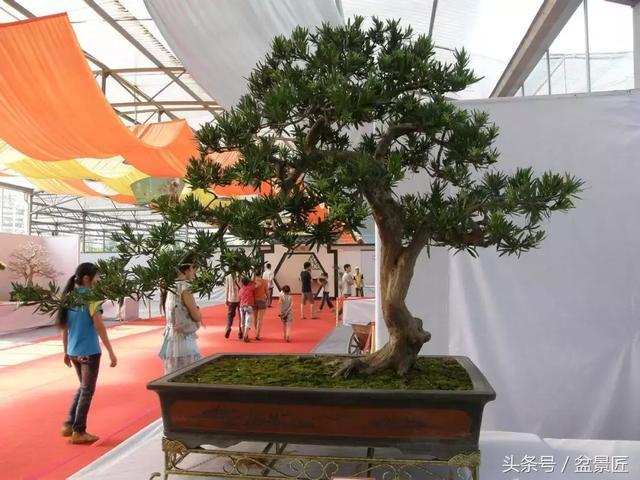
Many friends leave comments saying that bonsai are all hyped up. That's because we often see sky-high bonsai prices popping up at major auctions. This has also left many people with the impression that bonsai are luxury goods that ordinary people cannot afford.
But is that really the case? In fact, bonsai originated from ancient scholars' worship of nature, and it is also a very novel artistic concept. A tree stump is cultivated and cared for by people into all kinds of shapes. It is human wisdom and also the charm of nature.
So let's do the math: for a bonsai, from collecting the stump, to cultivating, caring for it and shaping it, until it finally takes form, how much time does it take? Generally, the cultivation cycle for pine and cypress bonsai is relatively long. Take our local pines and cypresses as an example: collecting the stump, potting, pinching branches, shaping, and so on. Basically, a good pine or cypress bonsai takes at least 7 to 8 years of growing time. So can you see whether a bonsai is worth this price?
Next, usually for the veteran masters who specialize in this trade, growing bonsai means cultivating a batch in bulk. But among them there will always be plants that die. The last step is shaping. In fact, for many enthusiasts, bonsai are simply something they like, purely a hobby. So when it comes to shaping, everyone also has their own understanding.
Usually a well-shaped bonsai gives us a visual shock. As far as we know, many places across the country have already turned bonsai into an industry chain. For example, Shandong and Jiangsu. Their bonsai prices can be said to be quite reasonable.
But most of the people we meet who like these things collect the stumps and grow them themselves. So for something like bonsai, into which time and energy have been poured, the price will naturally be higher. Many bonsai and potted plant enthusiasts we visited grow a lot at home, and basically all of them have been growing them for more than 3 years.
After such a huge investment of time, fine bonsai and potted plants naturally command a high price. There is also a rather interesting point: the people we usually see playing with bonsai are mostly employees of enterprises and institutions, and retired workers. This also creates the impression that these things are only for "people with free time." It is thought that bonsai require an investment of time, but only these people have the spare time to tend to these plants.
There is another point: whether it is root carving or bonsai, both have artistic shaping requirements. There are also requirements regarding tree species. Many people who play with these things have a particular preference for one tree species. Toward tree species and stumps that are not commonly seen on the market, this is certainly one of the reasons for their high prices.
Another point is hype. No matter which industry it is, there is an element of hype. Because the artistic value of bonsai itself is relatively high, this is also one of the reasons why hype-makers pursue them.
These are just the reflections of an editor who is not very good at this. Friends with their own views are all welcome to leave comments, comment and share!