How to grow hydrangeas with color-changing blooms, and yours can do it too
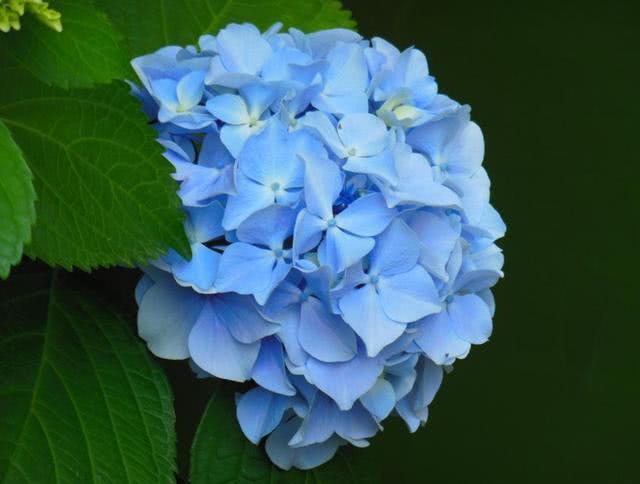
Hydrangea, also known as eight-immortals flower. Its umbel-like flower clusters pile up like snowballs, nestled among oval green leaves, and look truly beautiful. In recent years, hydrangea, as an important summer flowering plant, has been favored by more and more gardening enthusiasts, and landscaping also uses hydrangea as a main accent flower, planting it in a corner of the lawn or under evergreen trees. Hydrangea comes in many colors such as red, pink, blue, and white. Observant flower lovers will notice that hydrangeas in green belts or other people's homes change color during the blooming period. In fact, this is truly one of the distinctive traits of hydrangea. Once you understand the growth habits of hydrangea, your hydrangea can change color too!
The reason hydrangea changes color is closely related to the soil it grows in, light, temperature, and fertilizer application. Hydrangea is shade-tolerant, but it cannot lack light entirely. It is generally recommended that after spring temperatures warm up, before moving hydrangea outdoors, it should gradually adapt to changes in light. Never move it directly into strong light for growing, otherwise it is very easy to cause rust spots on the leaves or wilting. In midsummer, hydrangea should be shaded, otherwise it is prone to sunscald and the flowering period is easily shortened. The most suitable growing temperature for hydrangea is 15-28°C. When winter temperatures fall below 5°C, hydrangea should be moved indoors.
Hydrangea prefers loose, fertile, well-drained soil rich in humus. The color of hydrangea is controlled by a pigment belonging to the anthocyanin group. After this pigment combines with aluminum ions, the flower color turns blue. If you want hydrangea to bloom blue flowers, you can add acidic humus-rich materials to the soil when repotting in early spring, such as pine needles, wood shavings, tree bark, and so on. These humus materials not only promote the absorption of aluminum ions, but also help the plant grow. If hydrangea does not turn blue for a long time, you can use a dilute aluminum sulfate solution to water the roots of the hydrangea, then apply ferrous sulfate solution or diluted white vinegar solution to make the soil acidic. Applying aluminum sulfate may conflict with the phosphorus fertilizer used to promote flowering, because phosphorus fertilizer hinders the absorption of aluminum ions, so when applying aluminum sulfate, phosphorus fertilizer can be paused.
If you want blue hydrangea to turn pink, you can appropriately increase the alkalinity of the soil, for example by sprinkling plant ash into the potting soil, then watering the roots of the plant with tap water, or burying crushed eggshells or crushed crab shells in the soil, and so on. Generally, white hydrangea, depending on the variety, is very difficult to turn blue or pink. Because southern soil is usually more acidic while northern soil is more alkaline, hydrangeas grown at home and blooming naturally usually have bluer flowers in the south and pinker flowers in the north.
Although hydrangea flowers are beautiful, the whole plant is toxic. After touching the leaves and flowers, or if the sap contacts the skin, wash your hands immediately; accidental ingestion can cause symptoms such as rapid breathing or vomiting and abdominal pain. Households with pregnant women and children should place hydrangea somewhere children cannot touch or on a well-ventilated balcony, and try not to grow it in the bedroom.