How to care for roses in summer? Master 2 key points, and the flowers will still bloom fresh and lively
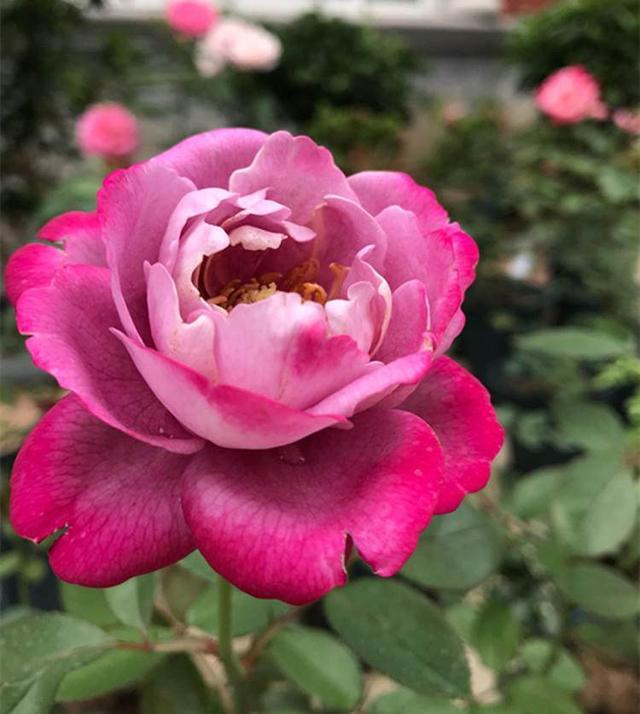
In summer, the temperature is high, evaporation is fast, and the transpiration of roses is also strong, so they need more water. Therefore, roses require special care to make it through smoothly. So, if you want roses to bloom fresh and lively in summer, there are 2 key points you need to know.
The first key point: watering
The purpose of watering in summer is not only to supply the water needed by the rose plant for growth, but also to regulate temperature and humidity. As for how much to water in summer, gardening enthusiasts should decide according to the type of rose, the size of the plant, and the actual dry and wet condition of the potting soil.
Generally, roses in the growing period have a higher water content and greater transpiration intensity, so they should be watered more; if the rose is dormant, watering can be appropriately reduced. Under normal circumstances, roses should generally be watered thoroughly 1 to 2 times a day. Never give only halfway watering, otherwise the rose roots cannot absorb enough water, causing the leaves to curl and turn yellow, and over time the entire plant will wither and die.
In summer, it is best to use soft water for watering. If using tap water, first let the water sit in the sun for 1 day, and water only when the water temperature is close to the soil temperature. The best times to water are in the morning and evening, and never water with cold water at noon. If cold water is used at noon in the heat of summer, the rose roots encounter cold water and cannot absorb it immediately, while under high temperatures leaf transpiration is strengthening, resulting in the so-called "physiological drought" phenomenon, which causes the leaves to scorch and, in severe cases, can cause the entire plant to die.
If cold water is used at noon in the heat of summer during the rose's bud-forming and early flowering stages, it can also easily cause bud drop and flower drop, and this must be noted. It should also be specially pointed out that: in the heat of summer, because the soil temperature is high, after a shower it is necessary to water promptly to remove the damp heat in the potting soil and lower the potting soil temperature. In addition, if water accumulates in the pot after a heavy rain, it should be poured out immediately, or several small holes should be poked in the potting soil with a bamboo stick (be careful not to damage the roots) to let the water flow out from the drainage holes at the bottom of the pot, otherwise it can easily cause root rot.
The second key point: fertilizing
When fertilizing roses in summer, the principle of "light fertilizer applied frequently" should be mastered. Too high a fertilizer concentration can easily cause root rot. For rose varieties that generally grow vigorously, apply 1 diluted special organic nutrient solution for roses about every 10 to 15 days. Fertilizing should be done on sunny days when the potting soil is relatively dry, because fertilizing with wet roots can easily cause root rot.
The best time to fertilize is in the evening, because in summer the soil temperature is high, and fertilizing at noon can easily damage the roots. On the day after fertilizing, water thoroughly once. When fertilizing, also be careful not to splash the fertilizer water onto the leaves, so as not to burn the leaves.