If soil cannot breathe freely, no amount of fertilizer will be taken up by crops
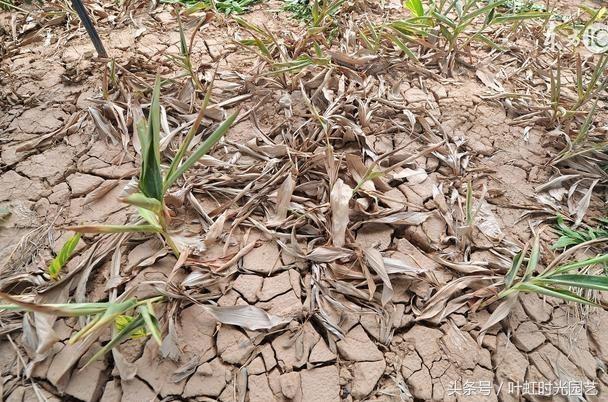
When crops grow in soil with poor permeability, root respiration is inhibited, greatly weakening the roots' ability to absorb water and nutrients. In this situation, even if farmers apply more fertilizer, they cannot make the crops grow well. Therefore, soil with good aeration is an important prerequisite for high-yielding, high-quality crops. So how can soil permeability be improved artificially?
1. Plow deeply as appropriate to loosen the soil
Timely intertillage and loosening of the soil can break up soil compaction, loosen the soil and improve soil permeability, thereby promoting root growth and development and the absorption of nutrient elements.
2. Apply microbial agents to improve the soil
Because crops have been planted year after year, the soil becomes severely compacted, harmful bacteria increase, and soil pollution becomes more and more serious, causing soil-borne diseases to spread.
Applying more microbial agents can increase the content of beneficial bacteria in the soil, degrade harmful substances, improve soil structure, release soil nutrients, enhance crop resistance, prevent soil-borne diseases at the root, and ultimately achieve good crop growth.
3. Apply organic fertilizer to build up soil fertility
During crop rotation, applying organic fertilizer increases the organic matter content in the soil, thereby promoting the formation of granular structure and forming a better soil structure.
When applying more organic fertilizer, choosing organic fertilizers such as straw and farmyard manure can increase the non-capillary pores in the soil, thereby improving soil aeration.
4. Choose scientific watering and drainage methods
When watering, choose a reasonable irrigation method to reduce damage to soil structure. Avoid flood irrigation; watering methods such as frequent light watering or drip irrigation can be adopted.
A reasonable drainage and irrigation system should also be established to promptly drain retained water from the soil, maintain suitable soil moisture and keep good soil permeability.
Follow Ye Hong Shi Guang Gardening, and we will share more fertilizer knowledge with you every day. More friends are welcome to communicate with us. Your attention is our greatest encouragement.