How to grow Aglaia odorata? Cultivation methods and precautions
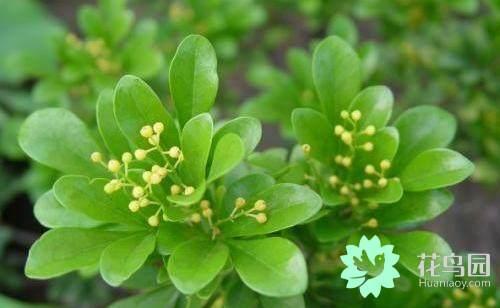
When growing Aglaia odorata, the temperature should be controlled at 30°C, and warming measures should be taken when the temperature is low. Water moderately to keep the soil moist; in summer, water once a day, and give it about 8 hours of light per day as much as possible. In spring and summer, fertilize mainly with dilute liquid fertilizer containing nitrogen and phosphorus. Propagation generally uses the cutting method.
I. Growing environment
1. Temperature: Aglaia odorata likes a warm environment. When the temperature is controlled at 30°C, it will grow faster and better. In winter, when the temperature is low, warming measures should be taken.
2. Watering: Aglaia odorata grows better in moist soil. If there is not enough water, yellow leaves will appear. In summer, you can water once a day, and at the same time you can spray some water on the leaves or around the plant.
3. Light: Aglaia odorata likes sunlight. Give it about 8 hours of light per day as much as possible, and it is best to grow it in a sunny, well-ventilated environment.
4. Fertilizing: Aglaia odorata has a high demand for nutrients. If nutrients are insufficient, flowering will be affected. To make it bloom more, fertilization in spring and summer should mainly use dilute liquid fertilizer containing nitrogen and phosphorus.
II. Propagation method
Cutting propagation: Choose healthy branches and cut them into lengths of about 10 cm. Remove the lower leaves, keep 2-3 leaves at the top, insert them into a prepared flower pot, then water thoroughly and cover with plastic film to keep them moist. They will take root in about 2 months.
III. Common pests and diseases
1. Anthracnose: Pay attention to ventilation and moisture removal, and promptly remove diseased leaves and branches to reduce pathogens. Reasonably applying nitrogen, phosphorus and potassium fertilizer can help it grow better and improve its disease resistance.
2. Scale insects: They can cause leaves to turn yellow and even die. Promptly remove the insects, or prune off the infested branches to avoid spreading.