10 flowers you can propagate from a single leaf, they root fast and have a high survival rate, fill your balcony with them
These 10 flowers can each be propagated into a small plant from just one leaf, they root fast, have a high survival rate, and will pack your balcony full! Super easy! Hurry up and learn with me!
Jade plant
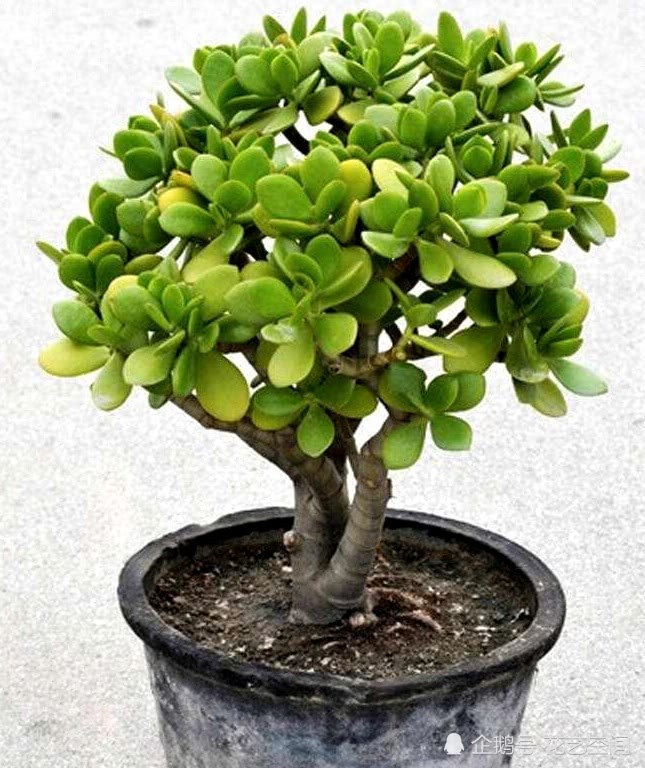
When it comes to the jade plant, a phrase always flashes in my mind: "jade tree in the wind." The jade plant is a common foliage houseplant in homes, with emerald-green, plump leaves that are thick and juicy (similar to succulents), easy to keep and care for, and especially easy to propagate. One leaf is all it takes!
Its leaves are rather crisp and fleshy, so when moving the pot, a moment of carelessness may knock off a leaf, and such a leaf is excellent for propagation. You can lay it flat on the soil surface, or insert it into sandy soil, and in about 10-15 days you will see small roots growing, then leaves will slowly grow, and it can be propagated into a small plant! (As easy to propagate as succulents)
Kalanchoe
Kalanchoe flowers are small and delicate, bright and colorful, and also carry a good meaning, making them very popular. Kalanchoe also blooms frequently and has a long flowering period, which is one of its advantages too! To propagate kalanchoe, you can use stem cuttings or leaf cuttings.
Propagating kalanchoe by leaf cuttings is quite simple. Insert healthy, plump kalanchoe leaves cut from pruning into sandy soil, keeping the soil moist during this period. Propagating kalanchoe from leaves takes a relatively long time and requires patient waiting, about 3-6 months! As they say, where there are advantages, there are disadvantages!
Begonia
Begonia has a long flowering period and gorgeous blooms, noble and elegant, graceful and splendid, making it the best choice for decorating the home. Begonia is also very easy to propagate, and both leaf cuttings and stem cuttings work.
Cut off a healthy begonia leaf, keep the leaf stalk, and insert it into vermiculite; it will root in about 7-10 days. You can also insert it into sandy soil, and the rooting and survival rate is also very high. Small leaves will slowly grow, and then it can be moved to a pot.
Aloe
Aloe is recognized as a very tough flowering houseplant. Aloe can be kept with rough, extensive care; it is fairly drought-tolerant, so you must rather let it stay dry than wet, otherwise the roots easily rot. Propagation is also quite easy! Leaf cuttings can do the job too.
Cut off a healthy aloe leaf, let the cut end dry thoroughly in the sun, apply rooting powder, and insert it into sandy soil (which can be peat soil + coarse sand); it will root in about 20-30 days. It is easy to tell whether it has rooted: pinch the leaf, and as long as the leaf is no longer soft, it means it has rooted and survived.
Peperomia
Peperomia stays evergreen all year round, with round, smooth leaves and a beautiful plant shape. A small peperomia placed on a side table, in the bedroom, or beside a desk all have a nice decorative effect, and peperomia is very drought-tolerant, so water only after the soil has completely dried out!
Cut off healthy peperomia leaves, keep the leaf stalks, dry the cut ends in the sun, and it is recommended to apply some rooting powder, then insert them into sandy soil; they will root in about 7-10 days. The method for telling whether they have rooted is the same as above!
Money tree
The money tree (Zamioculcas zamiifolia) suits sandy soil with good permeability; the soil mix can be peat soil plus coarse sand. It is fairly drought-tolerant, and watering should not be too frequent. Its leaves are emerald green and glossy, full of luster, evergreen all year round, and it also carries the meaning of bringing in wealth and treasure.
Take healthy money tree leaves and insert them into sandy soil. Under suitable temperatures, they will root in about 10-20 days. It grows quickly and will soon grow into a small plant, so you can fill your home with money trees!
Snake plant
Snake plant, also known as tiger skin plant, has sword-like leaves, vigorous and upright, evergreen all year round, and can add plenty of greenery to the environment. It also has strong vitality, grows fast, and is easy to propagate.
Cut the snake plant leaves into sections about 10 cm long, let the cut ends dry thoroughly in the air, and insert them into a substrate or into water to root; they will survive in about 10-20 days.
Rubber tree
Rubber tree leaves are thick and deep green, full of luster, with tall and upright stems and branches, and it also carries the meaning of having good fortune on all sides, with a strong effect in decorating the home.
To propagate the rubber tree, you can use leaf cuttings or stem cuttings, both very simple and convenient, and it will root in about 10 days.
African violet
African violet flowers are elegant and luxurious, and it is a very popular flowering houseplant in Europe and America. It is fairly drought-tolerant, so water it a second time only after the soil has completely dried out. Also, during the seedling stage, be sure to pinch off the growing tips so it will bloom more. African violets can also be propagated with a single leaf, using the same method as above.
Saxifrage
Saxifrage is a very distinctive ornamental green plant, with fuzzy leaves that are extremely cute, and it can also be propagated from a single leaf!
That is all for today's sharing!
Do fellow flower lovers know any other potted plants that can be propagated from leaves?
Feel free to leave a comment and share with everyone!