How to best care for flowers in the summer heat? Check out these practical methods
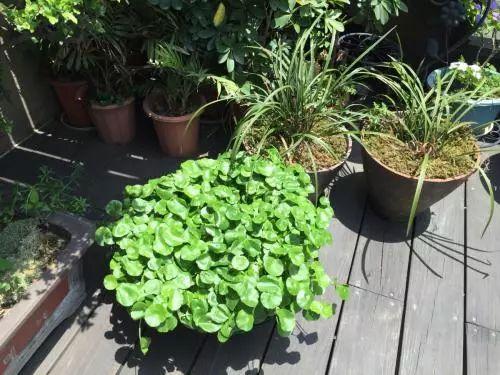
The summer weather is hot, people feel uncomfortable, and flowers and plants feel very uncomfortable too. In order to protect your own flowers and plants from the ravages of the summer sun, these things all need to be put into action. If done well, they will still bloom.
1. Sunlight and heavy rain
Summer does not only bring high temperatures, but also sudden heavy rain. If you live in a coastal area, it is even more serious. Once a typhoon blows in, it is not just potted plants that suffer. If safety measures are not done properly and someone gets hit, that is even worse, so you must take good summer precautions. In this season, most flowers need shading, and they are generally placed in shaded, rain-blocked areas. If they get rained on, also pay attention to promptly clearing away accumulated water.
2. How to care for flowers according to different directions
If your home balcony faces east, you can place them fully outside for care. You only need to avoid direct sunlight in the afternoon and the stuffy, hot baking exposure. If it is a north-facing balcony, then you need to pay attention to shading. The light there is really a bit too strong, and you also need to pay attention to ventilation and air flow. If you have quite a lot of flowers, it is still better to directly set up a shade net.
3. How to water in summer
High temperatures naturally mean that water evaporates relatively quickly. Generally, watering should be done in the morning or evening, but do not water desperately just because water evaporates quickly. You must follow the principle of not watering until dry, so as to avoid water accumulation. If the air is relatively dry, you can place a basin of clean water next to the plants to increase air humidity, or spray water on the leaves.
4. How to fertilize in summer
Summer fertilization requires applying thin fertilizer. It is generally used for flowers that are in their growth period in summer, applying fertilizer about once every 7~10 days. Again, do not fertilize at noon. You can choose to do it on the evening of a sunny day, and you need to water once on the second day after fertilizing.
5. Prune promptly
In summer, flowers are relatively prone to the problem of leggy growth. If not pruned promptly, it will affect flowering, fruiting, and the beauty of the plant's shape, so those relatively dense branches and leaves and spent flower stems all need to be pruned off.
6. Pest and disease prevention
High temperatures in summer and a stuffy, hot environment make it a peak period for pests and diseases, so you must usually pay attention to observation. If necessary, it is best to disinfect the potting soil once to avoid the breeding of mosquitoes and insects. Usually, do not let water accumulate in the potting soil, and pay attention to ventilation and air flow. Once pests or diseases occur, do not hesitate, directly spray pesticide to deal with them.