The queen of climbing flowers, clematis, blooms gloriously in summer, its delightful fragrance filling the whole yard
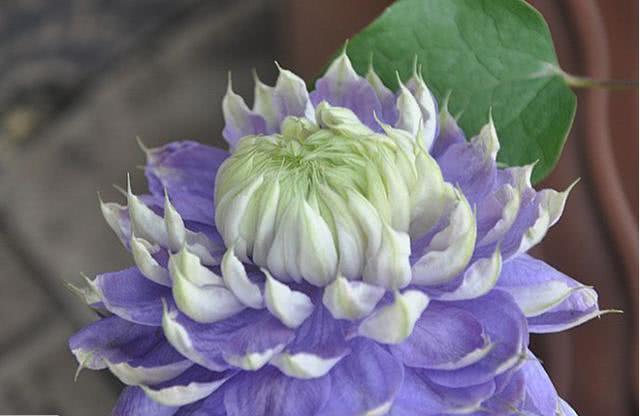
Clematis is an evergreen climbing plant, honored with the title "queen of climbing flowers." Its blooms resemble lotuses, symbolizing noble purity, with a delightful fragrance. It is commonly seen blooming in a corner of the yard or in rows along a fence, and once it blooms, the whole yard is filled with fragrance. Clematis comes in many colors and has a vast number of varieties. Common varieties include 'Rüddig' (Rudig), 'Celebration' (Celebration), 'Ville de Lyon' (Ville de Lyon), 'The President' (The President), and 'Blue Light' (Blue Light). Its blooming period is mainly across spring, summer, and autumn, with summer being the peak, when the flowers are large and vividly colored.
For soil, alkaline soil should be chosen, with good drainage and no waterlogging. It is not advisable to use plain dirt alone, as this easily causes root rot. You can mix garden soil and humus soil in equal parts, then blend in a small amount of sand or perlite to increase aeration. The flower pot can be placed beside railings, fences, or other bar-shaped structures, or you can make a simple trellis yourself to let the vines climb upward.
Clematis fears high temperatures and scorching sun. If grown in a pot, it can be placed on a balcony or outdoors in spring and autumn, but in summer it should be placed in a shaded spot away from direct sunlight. If placed outdoors, a shade net must be set up, otherwise intense light will cause the leaves to turn yellow and drop. Gardeners with a yard like to plant it in a corner of the yard. If grown in the ground, its vitality is more tenacious than potted plants, and its ability to withstand high temperatures and scorching sun is better, but yellowing at the leaf tips can still occur, in which case shading should be provided promptly. Generally speaking, strong light tends to fade the flower color, while half-shade produces the most vivid flower color. Be careful to maintain ventilation, otherwise the flowers rot easily.
Clematis has fleshy roots, and overwatering causes root rot. The plum rain season is a period of high incidence of clematis wilt (prevention can be done with carbendazim or potassium permanganate), and watering should be controlled at this time. If you find that some vines have turned black, prune and deal with them promptly; the healthy parts can be used for cuttings. The general watering principle is once a day in summer, once every three days in spring and autumn, and once every half month in winter. The specific situation needs to be determined according to the specific variety and plant size. Observe the soil surface: if it appears dry (whitish), you can water. Avoid the flowers and water slowly; water thoroughly and that is enough.